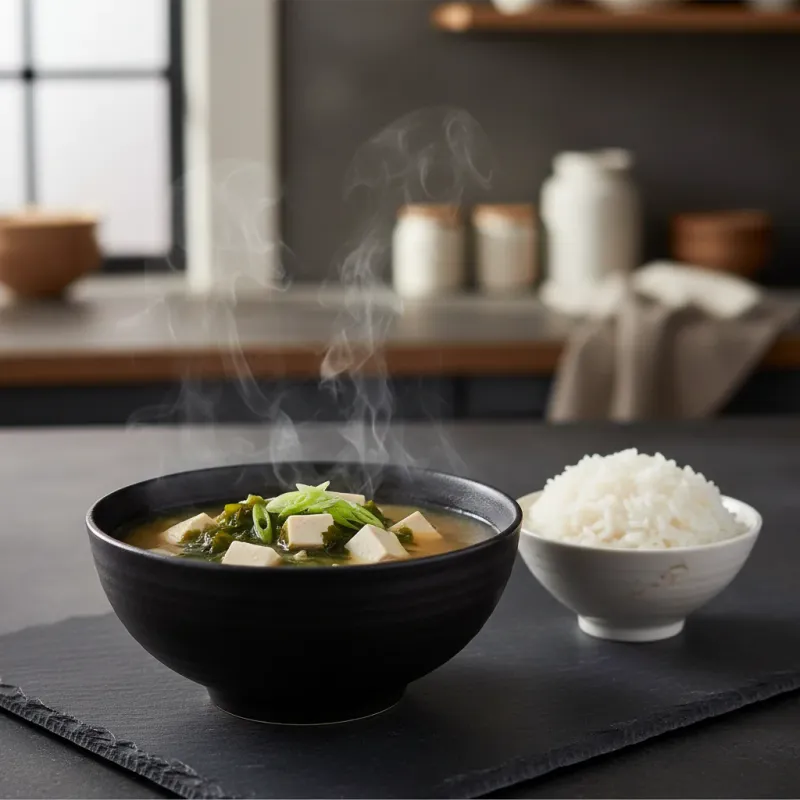
Honestly, there are some days where the kitchen feels like too much work, you know? That's when I lean on a simple bowl of miso soup. It's not just a meal; it's a little moment of peace. This miso soup is my go-to when I need something that feels healthy and grounding without spending an hour over the stove. It's just a few ingredients, a little bit of steam, and suddenly the world feels a bit quieter.
The essence of the dish
What makes this dish special is the contrast between the salty, fermented depth of the miso and the clean, fresh taste of the tofu and scallions. It's a balance of weight and lightness that feels like a hug in a bowl.
A fun fact or historical angle
Miso is actually one of the oldest fermented foods in the world, evolving from early soy pastes in China before becoming a staple of the Japanese diet and identity.
Flavor or sensory focus
The first thing you'll notice is the scent—earthy, slightly sweet, and warm. Then comes the salty umami hit, followed by the soft, cooling texture of the tofu.
You Must Know
- Miso varies in saltiness by brand, so always taste first.
- Dried wakame expands significantly; don't over-add.
- Using a high-quality dashi makes the soup taste professional.
If you're feeling like something more substantial, you can always pair this with some marinated eggs for extra protein. It turns a light snack into a real meal.
Well, look, it doesn't have to be perfect. If you don't have dashi, use water and a pinch of salt, or a light vegetable broth. The miso does most of the heavy lifting anyway.
The story behind it
Miso soup is a cornerstone of Japanese culinary tradition, rooted in the art of fermentation. At its heart is miso paste—a mixture of soybeans, salt, and koji mold—which has been used for centuries to provide a protein-rich, probiotic-heavy foundation for daily meals. Traditionally served as a breakfast item or a side to a larger feast, the soup represents a balance of simplicity and deep flavor, reflecting the Zen philosophy of finding beauty and contentment in the most basic elements of nature.
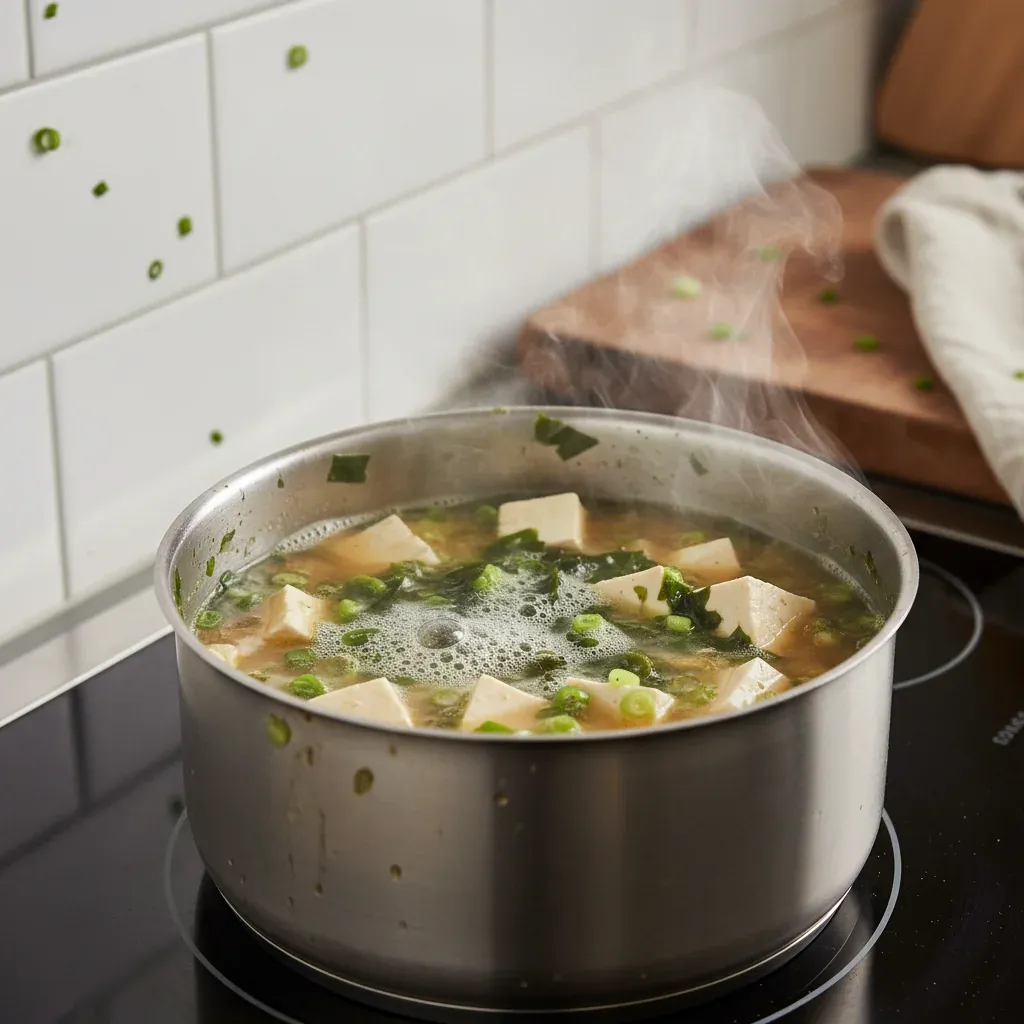
Why You'll Love It
- It takes literally ten minutes from start to finish
- The umami flavor is deeply satisfying and comforting
- It's a gentle way to support gut health with fermented paste
- Very flexible—you can toss in whatever greens you have in the fridge
Tips for success
- Do not boil the miso, as it ruins the flavor and nutrients.
- Prep tofu carefully to keep the shapes clean.
- Use a strainer to incorporate the paste for a silky broth.
Professional secrets
- Temperature control is key; keeping the soup just below boiling preserves the aroma.
- Adding a tiny bit of ginger cuts through the saltiness for a brighter profile.
- Using kombu-based dashi gives a cleaner, more authentic 'ocean' taste.
Common mistakes to avoid
- Boiling the miso paste which ruins the flavor.
- Adding too much wakame, which can take over the bowl.
- Using a metal spoon to stir the miso for long periods (can affect taste).
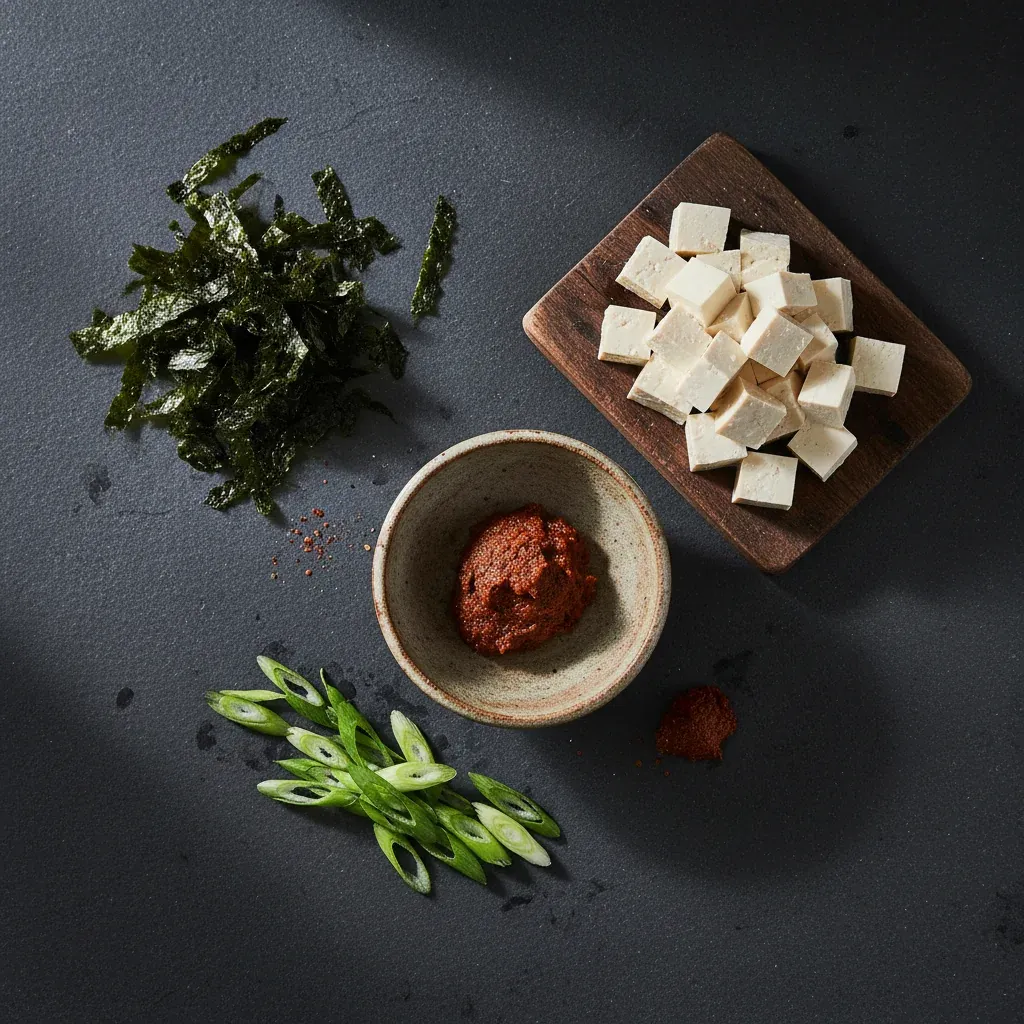
Substitutions
- Dashi: Vegetable broth. Lacks the smoky fish flavor but works well for vegetarians.
- Soft Tofu: Firm Tofu. Provides a more substantial chew but less 'melt' factor.
Variations
- Creamy Miso: Whisk in a teaspoon of tahini or cashew butter for a richer, creamier broth.
- Vegetable Loaded: Add thinly sliced carrots, shiitake mushrooms, and baby spinach for a more filling dinner.
Storage
This soup is best enjoyed immediately. If you have leftovers, store the broth and tofu separately in the fridge for up to 2 days and reheat gently.
Make ahead
You can prep the tofu and onions in advance, but the soup itself must be made fresh to maintain the flavor and health benefits of the miso.
Leftovers
Reheat on the stove over low heat. Do not microwave on high, as it can cause the tofu to toughen.
Serving ideas
- Serve in a traditional ceramic bowl.
- Pair with a small side of pickled ginger.
- Serve as a warming appetizer before a main course.
- Garnish with a sprinkle of toasted sesame seeds.
Allergy information
Contains soy. If using traditional dashi, it may contain fish (bonito).
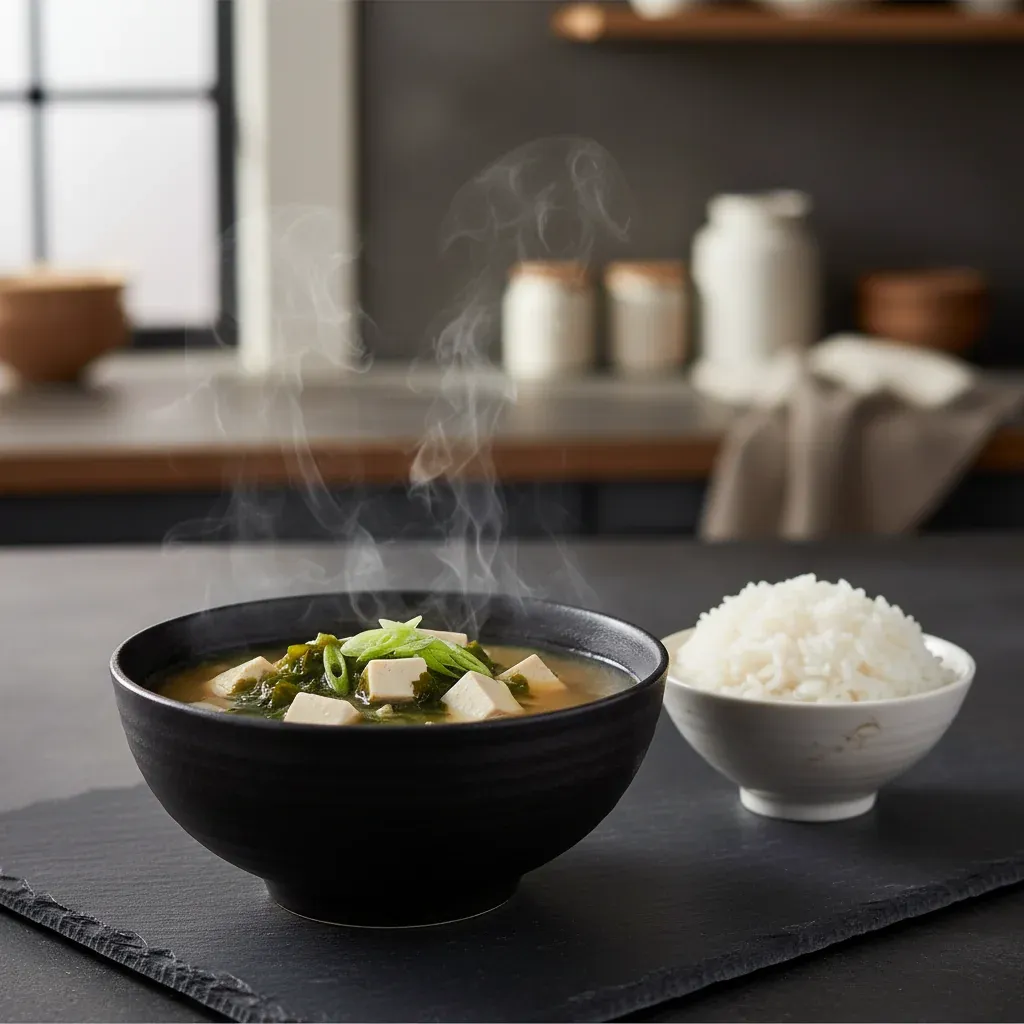
10 Minute Miso Soup for a Quick Healthy Meal
A quick and healthy miso soup recipe using simple ingredients for a comforting, umami-rich experience.
- Prep time
- 5 min
- Cook time
- 5 min
- Total time
- 10 min
- Difficulty
- Easy
- Cuisine
- Japanese
Ingredients
Main Broth
The Fillings
Instructions
- 1
Pour your dashi or broth into a medium pot and bring it to a gentle simmer over medium heat. Don't let it reach a rolling boil; just a soft bubble.
- 2
Stir in the dried wakame seaweed and the grated ginger. Let them simmer for about 2 to 3 minutes until the seaweed has expanded and softened.
- 3
Turn the heat down to low. Scoop your miso paste into a small strainer or bowl and slowly whisk in a ladle of the hot broth until the paste is completely smooth and dissolved. Stir this mixture back into the pot.
- 4
Gently slide in the cubed tofu. Let it warm through for about one minute—just enough to take the chill off without breaking the cubes.
- 5
Remove from heat immediately. Ladle the soup into bowls and garnish with a generous pinch of sliced green onions.
Nutrition per serving
- 85 kcal
- Calories
- 6 g
- Protein
- 7 g
- Carbs
- 3 g
- Fat
Tips & notes
- If you're using a very salty miso, skip the sugar and add a splash of water to dilute it. - For a heartier meal, this pairs beautifully with a side of steamed rice. - Always store your miso paste in a plastic or glass container, as the salt can react with metal.
Frequently asked questions
Can I freeze miso soup?
I wouldn't recommend it. The tofu changes texture and becomes spongy, and the miso can lose its probiotic benefits.
What is the difference between white and red miso?
White miso is fermented for a shorter time, making it sweeter and milder. Red miso is fermented longer and is saltier and more intense.
Can I make this vegan?
Yes, just ensure your dashi is made from kombu (kelp) rather than bonito flakes (fish).
Why is my soup clumpy?
Miso paste is thick. The best way to avoid clumps is to whisk it in a separate small bowl with some warm broth before adding it to the main pot.
Can I add noodles to this?
Absolutely. If you want something heartier, you could add some noodles similar to a ramen bowl, though keep them separate to avoid thickening the soup.
How long does the paste last in the fridge?
Miso is naturally preserved with salt, so it lasts a surprisingly long time—often several months—if kept sealed in the refrigerator.

Amelia Hart
Chef Amelia Hart is a dessert enthusiast who loves creating elegant cakes, cookies, and baked treats. Her baking style combines classic pastry techniques with creative flavor combinations. Amelia believes that desserts…