Honestly, I remember the first time I baked a pound cake with just four simple items. The kitchen filled with a gentle buttery scent, and I thought, "wow, this is exactly what a quiet afternoon needs." If you’re curious about other versions, you might enjoy the classic pound cake for a richer tradition, or the moist slap-ya-momma for a playful twist.
The essence of the dish
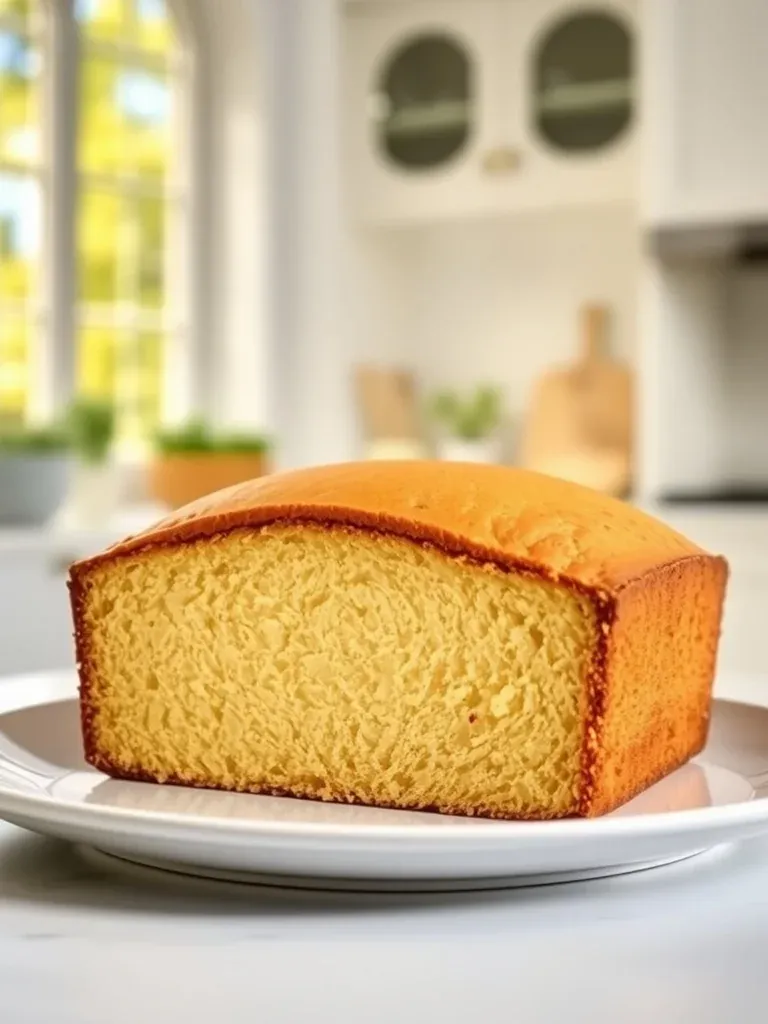
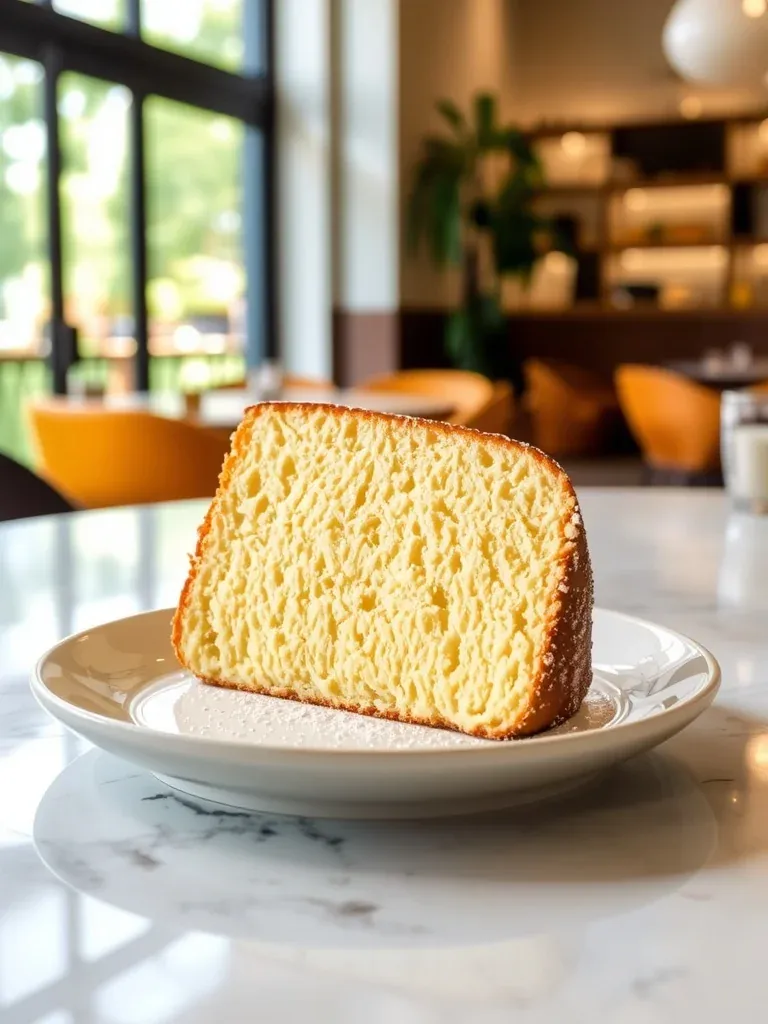
It’s the buttery richness balanced by a tender crumb, all wrapped in a lightly golden crust that whispers of home.
A fun fact or historical angle
Originally, a true "pound" cake required a literal pound of each main ingredient; today we honor that tradition with simplicity.
Flavor or sensory focus
You’ll notice the mellow buttery scent, the subtle sweet mellow, and the smooth texture that melts just before you bite.
You Must Know
- Do not over‑bake; it dries quickly.
- Use a light-colored pan for even browning.
- Let the cake cool in the pan for 5 minutes.
I always let the pan sit for a minute, then turn the cake out onto a wire rack. The steam that escapes keeps the crumb moist, and you get that gentle crackle as the crust sets. It’s a simple step that feels almost ceremonial, reminding you to pause and enjoy the process.
The story behind it
The pound cake began as a simple measure of a pound each of butter, sugar, eggs, and flour—a true testament to frugality and comfort in 18th‑century England. Over time, the weight‑based recipe softened into the modern, quick‑mix version we cherish today. Its enduring presence across cultures speaks to its ability to hold a place at both humble family tables and elegant tea parties.
Why You'll Love It
- Only four ingredients, no fuss
- Moist crumb that stays tender
- Classic flavor that never ages
- Perfect for any occasion, big or small
Tips for success
- Don’t over‑mix after adding flour; it keeps the cake light.
- Use a light-colored pan; dark pans can over‑brown.
- Check doneness early; ovens vary.
Professional secrets
- Cream butter and sugar until pale for maximum air incorporation.
- Add eggs gradually to avoid curdling.
- Let the batter rest 5 minutes before baking for a smoother crumb.
Common mistakes to avoid
- Over‑mixing the batter, which leads to a dense cake.
- Using cold butter; it won’t cream properly.
- Opening the oven door too early, causing the cake to sink.
Substitutions
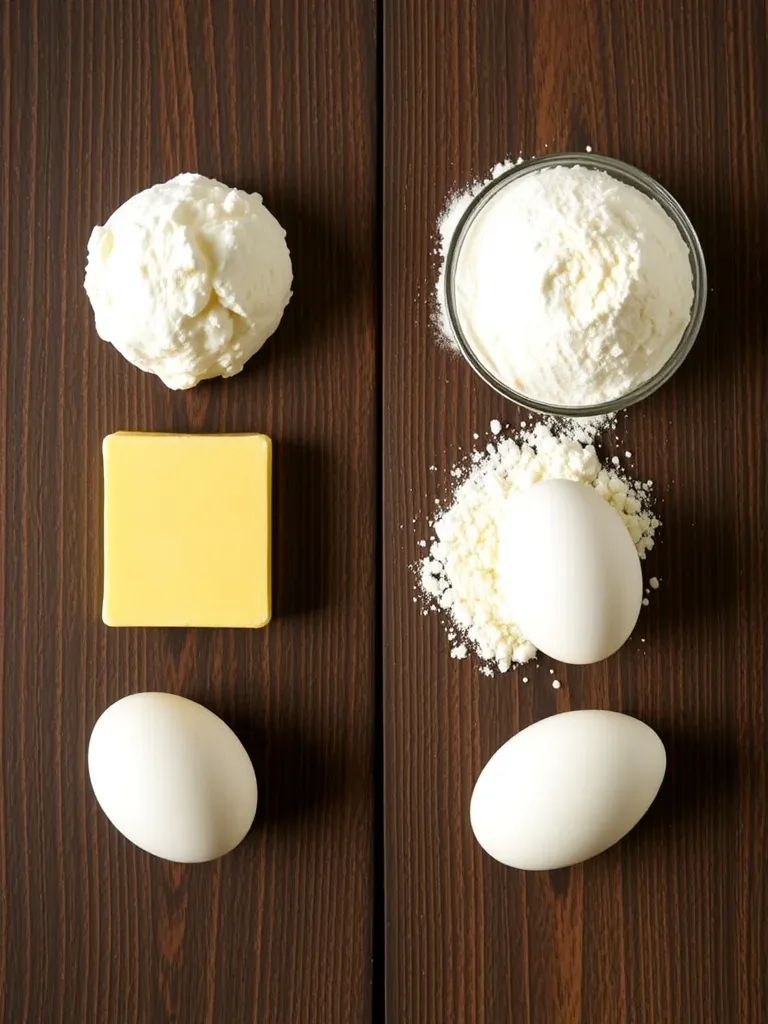
- Butter: Margarine (softened). Will reduce the richness slightly.
- All‑purpose flour: Almond flour (1:1). Creates a denser, nutty crumb; adjust baking time.
Variations
- Spicy Version: Add 1/2 tsp ground cinnamon and a pinch of nutmeg for warm spice notes.
- Mediterranean Style: Fold in chopped dried apricots and toasted pine nuts, then drizzle with honey before serving.
Storage
Wrap tightly in plastic wrap or store in an airtight container; lasts 3‑4 days at room temperature.
Make ahead
You can cream the butter and sugar the night before, cover, and refrigerate; bring to room temperature before adding eggs.
Leftovers
Reheat gently in a skillet over low heat, covered, adding a splash of milk to revive moisture.
Serving ideas
- Serve a thick slice with fresh berries and a dollop of whipped cream.
- Pair with a warm cup of tea for an afternoon pause.
- Top with a thin spread of homemade jam for a sweet contrast.
Allergy information
Contains dairy, eggs, and gluten.
4-Ingredient Pound Cake
Moist, buttery pound cake made with just four pantry staples, ready in less than an hour.
- Prep time
- 15 min
- Cook time
- 30 min
- Total time
- 45 min
- Difficulty
- Easy
- Cuisine
- American
Ingredients
Main Ingredients
Optional Enhancements
Instructions
- 1
Preheat the oven to 325°F (160°C). Grease a 9‑inch loaf pan and dust with flour, tapping out excess.
- 2
In a large bowl, cream the softened butter and sugar together until light and fluffy, about 3 minutes. I like to pause and watch the color turn creamy.
- 3
Add the eggs one at a time, beating well after each addition. If you’re using vanilla or salt, stir them in now.
- 4
Sift the flour and gently fold it into the batter until just combined. Be careful not to over‑mix; you’ll hear the batter sigh if you do.
- 5
Pour the batter into the prepared pan, smoothing the top with a spatula. Tap the pan on the counter to release any large air bubbles.
- 6
Bake for 30‑35 minutes, or until a golden crust forms and a toothpick inserted in the center comes out clean. For a deeper history, see the southern pound cake version.
- 7
Allow the cake to cool in the pan for 10 minutes, then turn it out onto a wire rack to finish cooling.
Nutrition per serving
- 380 kcal
- Calories
- 6 g
- Protein
- 45 g
- Carbs
- 18 g
- Fat
Tips & notes
- If the top browns too quickly, cover loosely with foil during the last 10 minutes. - Room‑temperature ingredients blend more evenly, giving a tender crumb. - Feel free to dust the cooled cake with a light sprinkling of powdered sugar for extra charm.
Frequently asked questions
Can I use melted butter instead of softened?
Melted butter changes the texture, giving a denser crumb. For the classic lightness, stick with softened butter.
Do I need to grease the pan?
Yes, a thin layer of butter or oil plus a dusting of flour prevents sticking and adds a subtle crust.
How long can I store the cake?
Wrapped tightly, it stays fresh at room temperature for 3‑4 days, or refrigerate up to a week.
Can I add fruit or nuts?
Absolutely—fold in blueberries or toasted almonds after the flour to keep them evenly distributed.
Is this cake gluten‑free?
Swap the all‑purpose flour for a 1‑to‑1 gluten‑free blend; the texture remains lovely.
What’s the best way to reheat leftovers?
A quick 10‑second sprint in the microwave or a gentle warm in a skillet restores softness.

Amelia Hart
Chef Amelia Hart is a dessert enthusiast who loves creating elegant cakes, cookies, and baked treats. Her baking style combines classic pastry techniques with creative flavor combinations. Amelia believes that desserts…