Honestly, when I first tried making these fruit tarts I was a bit nervous. I remember the scent of melted butter and sugar filling my kitchen, the way the dough felt cool under my fingertips. So, let me walk you through a gentle, steady process that yields that perfect, lightly crisp edge and a bright fruit topping.
The essence of the dish
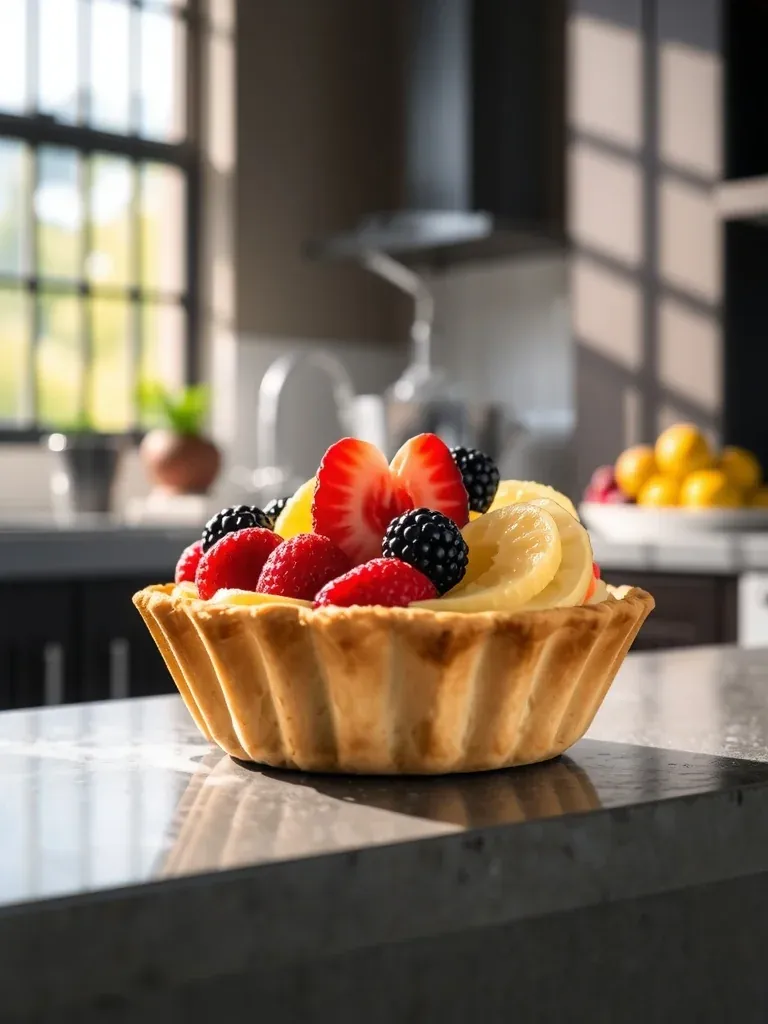
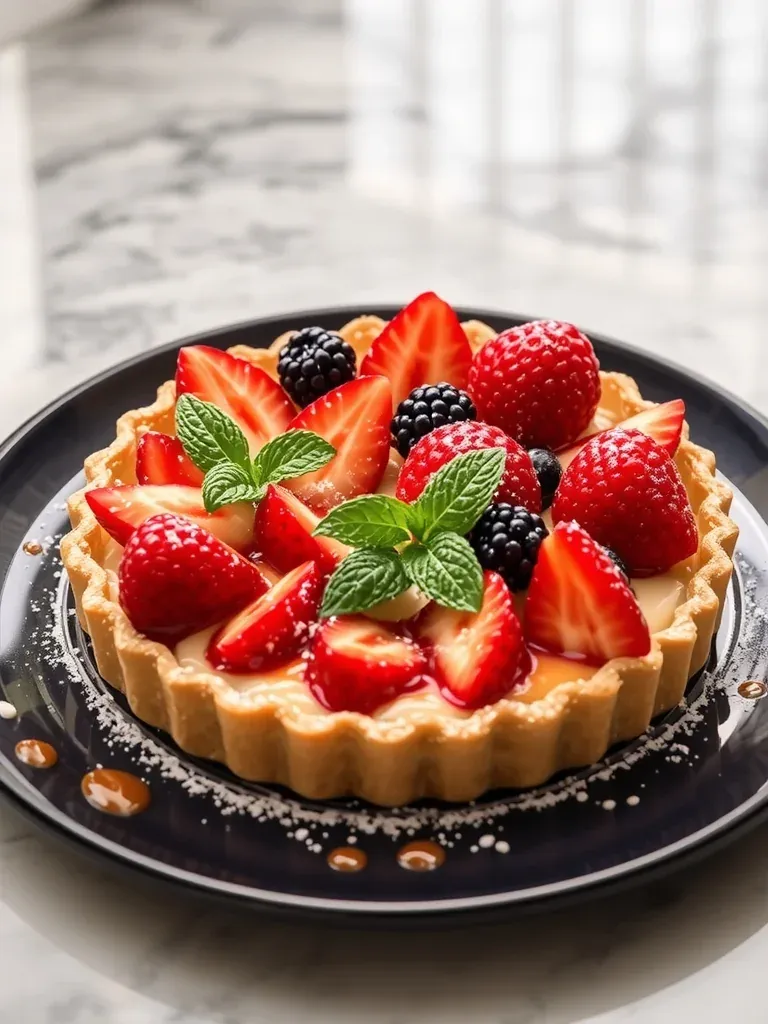
A buttery, crumbly base that supports bright, juicy fruit, finished with a whisper of apricot glaze that catches the light.
A fun fact or historical angle
In Victorian England, fruit tarts were often served at afternoon tea to showcase the season’s best produce.
Flavor or sensory focus
You’ll notice the delicate crunch of the crust, the cool burst of sweet berries, and the subtle sheen of the glaze that adds a soft, fragrant finish.
You Must Know
- Use cold butter for a flaky crust.
- Do not over‑mix the dough.
- Glaze while the fruit is still warm.
These small steps make a big difference. I remember the first time I neglected to chill the dough; the crust spread too thin and lost its charm. It’s those gentle reminders that keep the process graceful. Take your time, enjoy the scent of butter melting, and let the fruit’s natural sweetness shine.
The story behind it
Classic fruit tarts trace their roots to the French pâtisserie tradition, where a thin pâte sucrée cradles vibrant fruit in a balance of texture and flavor. Over centuries this elegant dessert spread across Europe, becoming a staple for celebrations and casual tea times alike. The simplicity of its components—flour, butter, sugar, and fresh fruit—makes it accessible, yet its execution honors the craft of pastry making.
Why You'll Love It
- The crust is buttery yet sturdy enough to hold juicy fruit.
- Fresh fruit adds natural sweetness without added sugar.
- Minimal ingredients, maximum flavor.
- Ideal for making ahead and impressing guests.
Tips for success
- Don't over‑mix the dough; it leads to a tough crust.
- Chill the dough well to prevent shrinking.
- Arrange fruit in layers for even moisture distribution.
Professional secrets
- Use ice‑cold butter for maximum flakiness.
- Dock the crust to avoid air pockets.
- Glaze while the jam is warm for a perfect sheen.
Common mistakes to avoid
- Over‑mixing dough leads to a tough crust.
- Skipping the chilling step causes shrinkage.
- Adding fruit before the crust is fully baked makes it soggy.
Substitutions
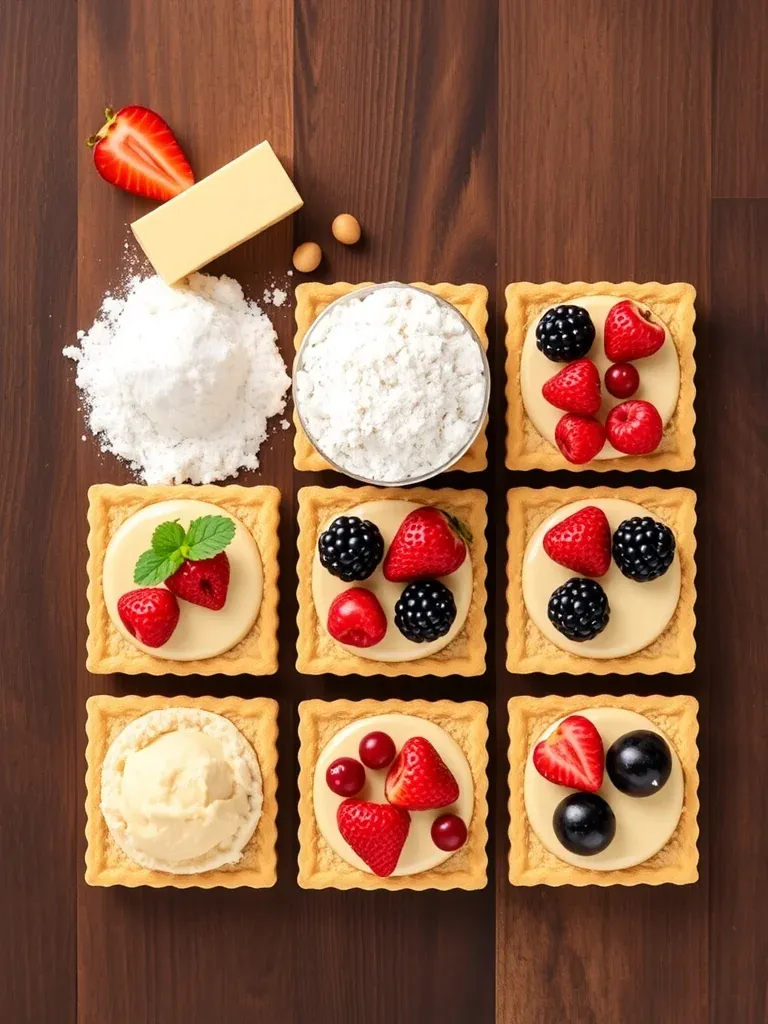
- All‑purpose flour: Gluten‑free all‑purpose blend. Use a 1:1 replacement; expect a slightly crumblier crust.
- Butter: Coconut oil (solid, not melted). Gives a subtle coconut aroma; keep it cold.
Variations
- Spicy Version: Add a pinch of cayenne to the glaze for a subtle heat that brightens the fruit.
- Mediterranean Style: Top with sliced figs, toasted almonds, and a drizzle of honey for a sun‑kissed twist.
Storage
Store in an airtight container at room temperature for up to two days; refrigerate for longer freshness.
Make ahead
The crust can be baked and stored in an airtight container for up to 2 days; glaze and add fruit just before serving.
Leftovers
Reheat gently in a low oven (300°F) for 5‑7 minutes to revive the crust’s crispness.
Serving ideas
- Serve on a simple white platter to let the colors pop.
- Add a dollop of lightly sweetened whipped cream on the side.
- Pair with a crisp, chilled rosé for an elegant touch.
Allergy information
Contains gluten, dairy, and fruit.
Classic Fruit Tarts
Buttery crusts topped with fresh fruit—simple, elegant, and perfect for any occasion.
- Prep time
- 30 min
- Cook time
- 20 min
- Total time
- 50 min
- Difficulty
- Easy
- Cuisine
- French
Ingredients
Crust
Fruit Topping
Instructions
- 1
In a bowl, whisk flour, sugar, and salt; add cold butter and cut it in until the mixture resembles coarse crumbs.
- 2
Stir in the egg yolk and ice‑water just until the dough comes together; shape into a disk, wrap, and chill for 30 minutes.
- 3
Preheat oven to 375°F (190°C). Roll the dough on a lightly floured surface and fit into a 9‑inch tart pan; prick the base with a fork.
- 4
Bake the crust for 12‑15 minutes, until lightly golden. Remove and let cool slightly.
- 5
While the crust cools, gently warm apricot jam with lemon juice to make a glaze. Brush the crust, arrange fresh fruit artfully, then brush the fruit with the warm glaze.
Nutrition per serving
- 260 kcal
- Calories
- 3 g
- Protein
- 32 g
- Carbs
- 12 g
- Fat
Tips & notes
- If using very juicy fruit, pat them dry before arranging on the tart. - The glaze can be swapped for a light honey‑citrus drizzle for a different flavor profile. - Allow the tart to rest for 10 minutes after glazing so the fruit sets.
Frequently asked questions
Can I make the crust ahead of time?
Yes, you can refrigerate the rolled‑out crust for up to 24 hours; just cover it tightly with plastic wrap.
What fruits work best?
Berries, sliced kiwi, peaches, and plums all provide vivid color and pleasant texture.
How do I prevent the crust from becoming soggy?
Brush the baked crust with a thin layer of apricot glaze before adding fruit; this creates a moisture barrier.
Can I use a gluten‑free flour blend?
Absolutely—replace all‑purpose flour with a 1:1 gluten‑free blend, but expect a slightly different crumb.
Is there a dairy‑free version?
Swap butter for a plant‑based solid fat like coconut oil; the flavor will be subtly different but still delightful.
How long do the tarts keep?
Store in an airtight container at room temperature for up to 2 days, or refrigerate for 3‑4 days.

Amelia Hart
Chef Amelia Hart is a dessert enthusiast who loves creating elegant cakes, cookies, and baked treats. Her baking style combines classic pastry techniques with creative flavor combinations. Amelia believes that desserts…