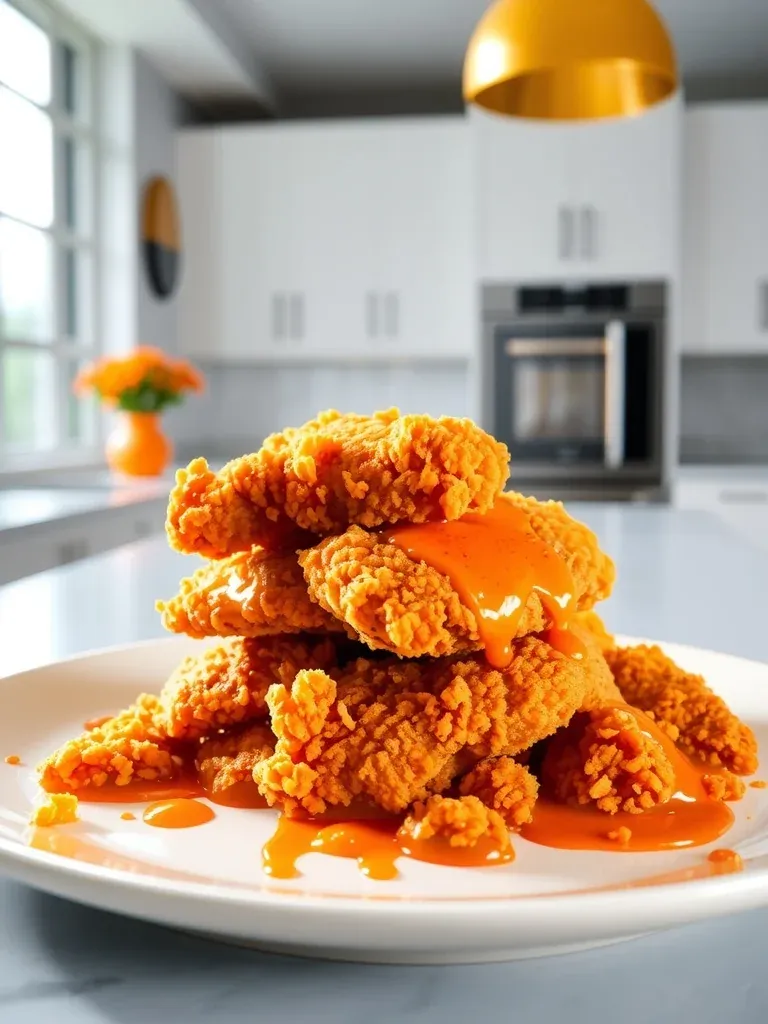
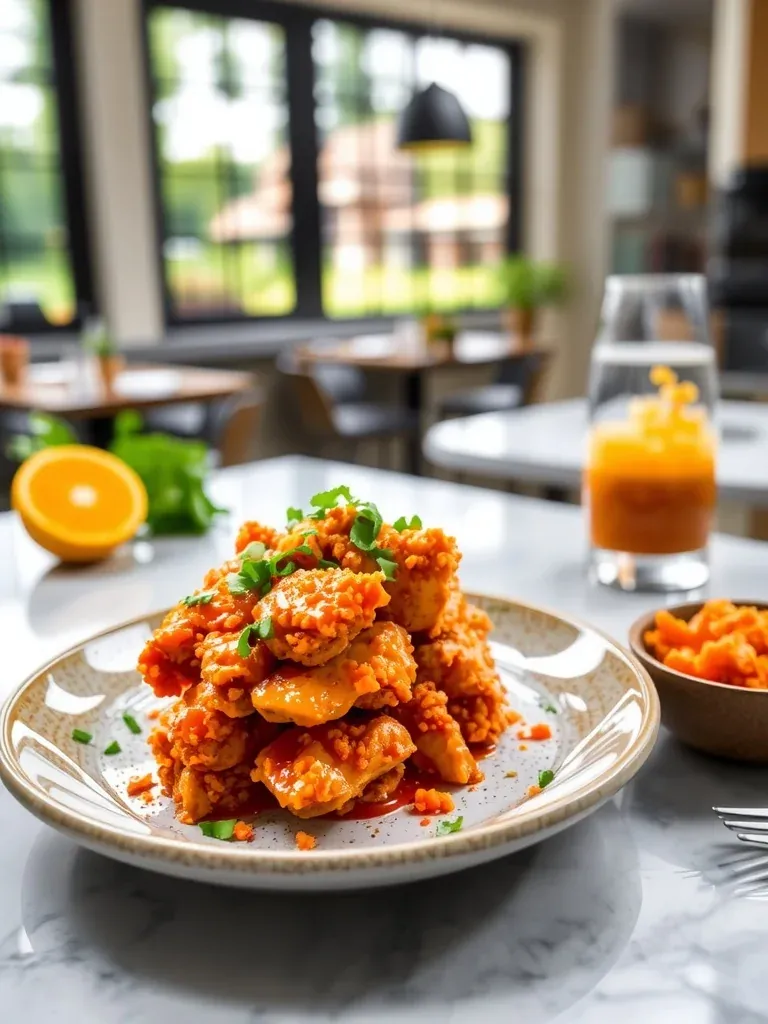
Honestly, when I first tried to perfect orange chicken, I discovered that a single coat just wasn’t enough. So I added a second dusting, and the result? A delightful crunch that whispers of autumn evenings, when the kitchen smelled of citrus and warm oil. Yeah, it’s simple, but it feels like a little celebration every bite.
The essence of the dish
It’s the marriage of crunchy texture and bright orange glaze that sets this chicken apart. Each bite delivers a gentle snap followed by a sweet‑tangy kiss, a comforting reminder of family meals.
A fun fact or historical angle
During the 1970s, orange chicken became a staple of Chinese‑American takeout menus, symbolizing the blend of East and West flavors.
Flavor or sensory focus
You’ll first notice the crackle of the double crust, then the citrus perfume rising, and finally the subtle heat from a pinch of ginger.
You Must Know
- Season the chicken lightly with salt before coating
- Use a thermometer to keep oil at 350°F
- Add garlic and ginger early for depth
I always let the chicken rest a minute after frying; it lets the crust settle and the juices redistribute. It’s a tiny pause that makes the whole dish feel more thoughtful, like a quiet moment before a story begins. The final glaze should be glossy, not watery, so keep an eye on it as it simmers.
The story behind it
Orange chicken traces its roots to mid‑20th‑century Chinese‑American takeout, where a bright orange sauce was a clever way to invite diners to try something new. Over decades, home cooks have refined the technique, adding layers of texture to capture that restaurant‑style snap. This version honors that history while offering a home‑cooked twist that feels both nostalgic and fresh.
Why You'll Love It
- Double coating gives an unforgettable crunch
- Sweet‑tangy orange glaze balances flavors
- Ready in under 45 minutes, perfect for busy nights
- Uses pantry staples you likely already have
Tips for success
- Don't overcrowd the pan, cook in batches for even crispness.
- Let the fried chicken rest on a rack to keep the crust from steaming.
- Taste the glaze before adding chicken, adjust sweetness or acidity as needed.
Professional secrets
- Room temperature chicken ensures even cooking.
- A hot oil temperature creates instant crust, locking in juices.
- Deglaze the pan with a splash of orange juice to capture caramelized bits.
Common mistakes to avoid
- Overcrowding the pan, which steams the coating instead of crisping it.
- Adding the chicken to a glaze that’s too thick, causing soggy crust.
- Skipping the wire rack step, leading to loss of crunch.
Substitutions
- Chicken thighs: Turkey thigh or firm tofu. If using tofu, press well and increase frying time slightly.
- Soy sauce: Coconut aminos. Slightly sweeter, so reduce honey by a teaspoon.
Variations
- Spicy Version: Add 1 tsp red pepper flakes and a drizzle of sriracha to the glaze for a gentle heat.
- Mediterranean Style: Swap orange glaze for a lemon‑herb sauce and finish with crumbled feta and olives.
Storage
Store leftovers in an airtight container in the refrigerator for up to 3 days. Reheat gently in a skillet to revive the crunch.
Make ahead
Marinate the chicken in a little soy sauce and orange zest for up to 24 hours. Coat just before cooking for maximum crisp.
Leftovers
Reheat gently in a skillet over medium heat, adding a splash of orange juice to re‑glaze and revive the crunch.
Serving ideas
- Serve over steamed jasmine rice with a side of sautéed bok choy.
- Place atop buttered noodles for a comforting bowl.
- Pair with roasted sweet potatoes and a drizzle of extra glaze.
- Garnish with sliced green onions and toasted sesame seeds.
Allergy information
Contains soy, sesame, and egg.
Double Crunch Orange Chicken
Crispy double‑coated orange chicken with a bright, tangy glaze—quick, satisfying, and full of flavor.
- Prep time
- 15 min
- Cook time
- 25 min
- Total time
- 40 min
- Difficulty
- Easy
- Cuisine
- American
Ingredients
Chicken & Coating
Orange Glaze
Garnish
Instructions
- 1
Pat the chicken pieces dry, then season with salt and pepper. Dredge each piece in flour, dip in egg wash, coat with cornstarch, and finally roll in panko for a double layer.
- 2
Heat oil in a deep skillet to 350°F. Fry the coated chicken in batches, turning once, until golden and crisp, about 3‑4 minutes per side. Transfer to a wire rack to keep the crust airy.
- 3
In a saucepan, combine orange juice, zest, honey, soy sauce, ginger, and garlic. Bring to a gentle boil, then whisk in the cornstarch slurry. Cook until the glaze thickens and becomes glossy.
- 4
Add the fried chicken to the glaze, tossing quickly to coat each piece without soaking the crust. Cook for an additional 2 minutes for the glaze to meld.
- 5
Remove from heat, sprinkle with sliced green onions and toasted sesame seeds. Serve immediately over rice or noodles.
Nutrition per serving
- 420 kcal
- Calories
- 28 g
- Protein
- 35 g
- Carbs
- 18 g
- Fat
Tips & notes
- If the glaze thickens too quickly, add a splash of water to loosen it. - For extra aroma, add a pinch of orange blossom water during the glaze stage. - Feel free to substitute turkey thigh meat for a leaner option.
Frequently asked questions
Can I use chicken breast instead of thighs?
Yes, but keep an eye on cooking time; breasts can dry out faster. Consider brining them briefly for extra moisture.
What can I serve with this dish?
Steamed jasmine rice, quinoa, or buttered noodles complement the sweet‑tangy glaze nicely.
Is it possible to bake instead of fry?
Absolutely—preheat the oven to 425°F, place coated chicken on a wire rack, and bake 20‑25 minutes, flipping once for even crisp.
How do I make the glaze less sweet?
Reduce honey by half and add a splash of rice vinegar or a pinch of chili flakes for balance.
Can I freeze the cooked chicken?
Yes, freeze in an airtight container; reheat gently in a skillet to regain crunch.
What spice adds a gentle heat without overpowering?
A pinch of cayenne or a dash of sriracha works well; add at the end of the glaze.

Claire Dubois
Chef Claire Dubois is a pastry lover inspired by the elegance of French baking. She enjoys preparing delicate pastries, buttery croissants, and classic baked desserts. Claire’s recipes focus on precision, technique, and…