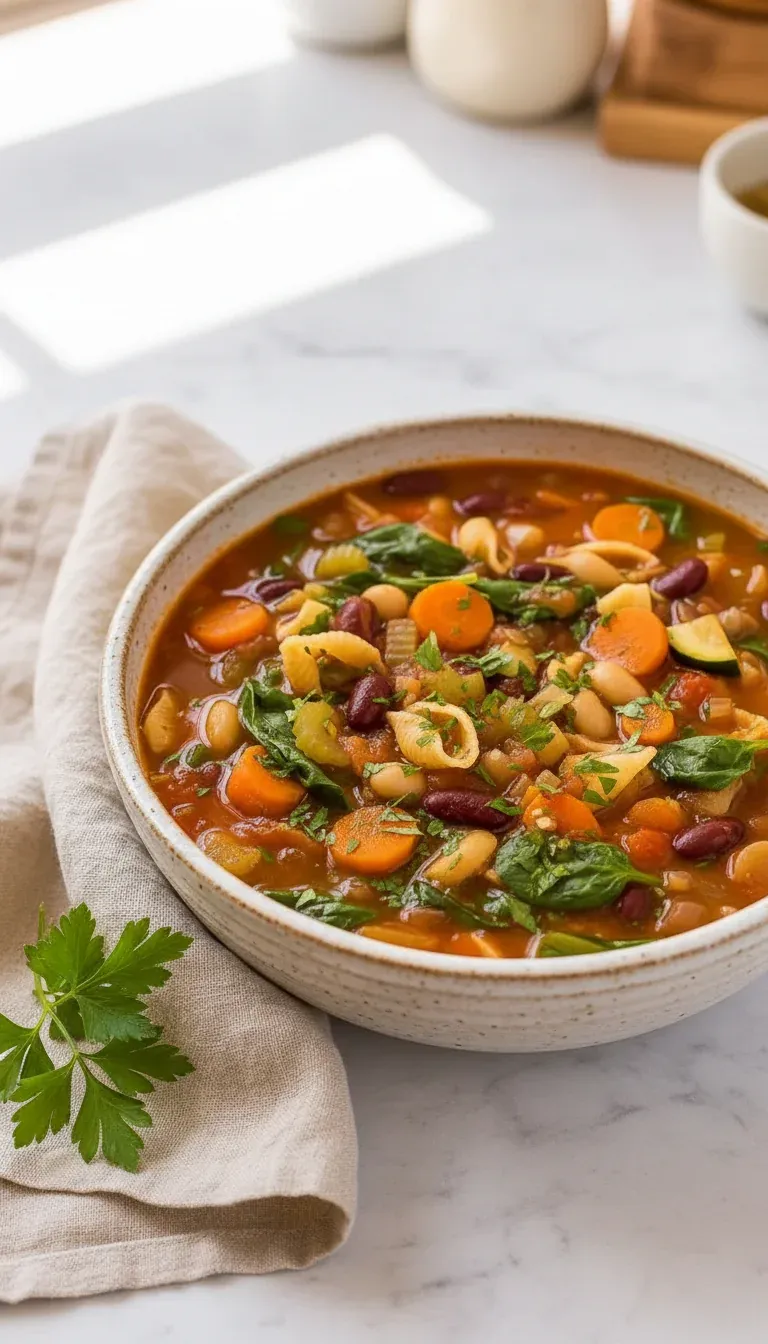
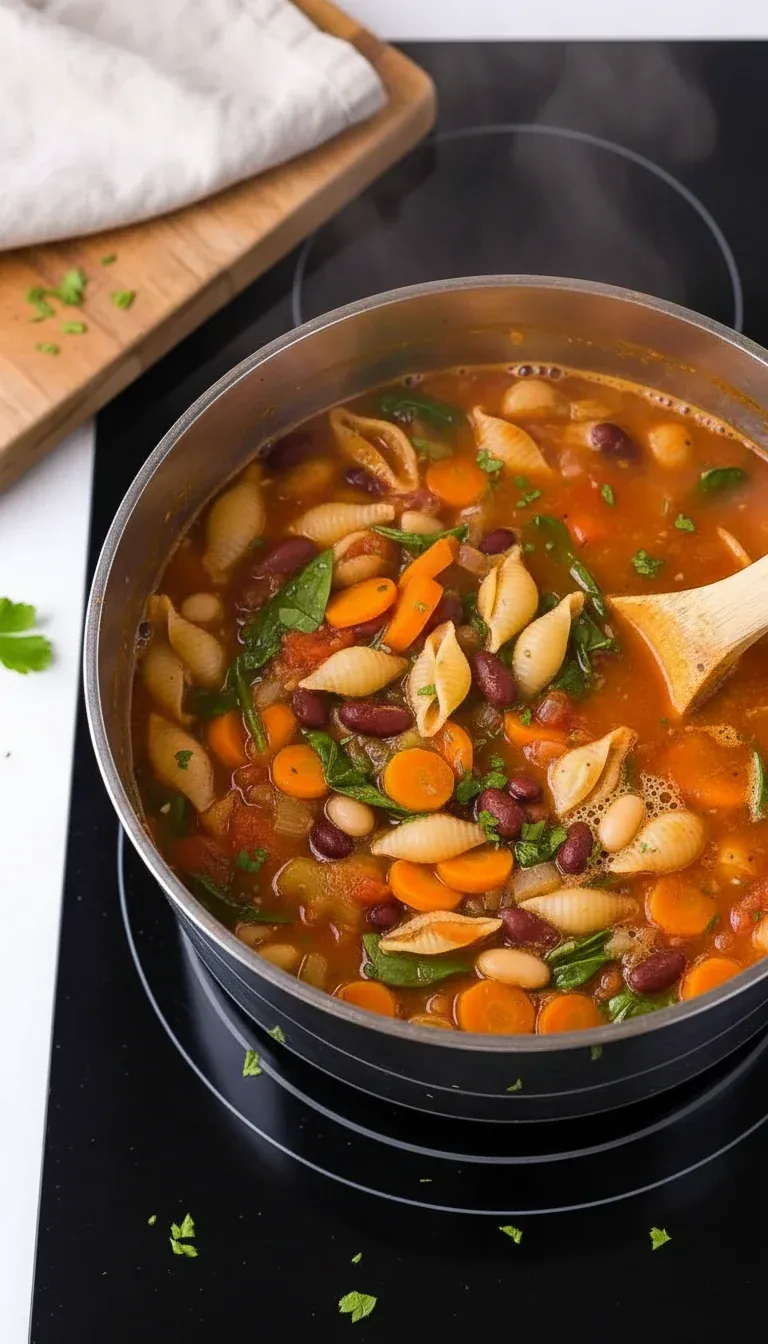
There is something about a pot of minestrone soup bubbling on the stove that just makes a house feel like a home. Honestly, I've always found that the best part of this recipe is how it welcomes whatever vegetables are lingering in the crisper drawer. It's not about precision; it's about that quiet, steady warmth that fills the kitchen on a chilly afternoon. This version is light yet filling, focusing on the natural sweetness of carrots and the earthy depth of beans, making it a perfect choice for those seeking a healthy, nourishing dinner.
The essence of the dish
What makes this minestrone soup so special is its versatility. It isn't a rigid recipe; it's more of a guideline. The beauty lies in the harmony of textures—the softness of the beans, the slight chew of the pasta, and the tender-crisp vegetables.
A fun fact or historical angle
In many Italian households, the recipe for minestrone was passed down through generations, often without being written. It was a living recipe that changed based on the season and the region.
Flavor or sensory focus
When you first taste it, you'll notice the brightness of the tomatoes, followed by the earthy, comforting warmth of the beans and a lingering hint of garlic and herbs.
You Must Know
- Store pasta separately if you plan on having leftovers
- Fresh herbs are better, but dried work perfectly well for this
- The soup will thicken as it cools due to the starch in the beans
Honestly, the most important thing is to taste as you go. Every vegetable is a little different—some carrots are sweeter, some tomatoes are more acidic. Adjust your seasoning to fit what you have in your pot.
If you're looking for other cozy options, you might enjoy a white bean soup for a creamier feel, or perhaps explore more of our Italian recipes for a full feast.
The story behind it
Minestrone originates from the rural regions of Italy, where it was traditionally a 'cucina povera' or peasant dish. The word 'minestrone' literally means 'big soup,' reflecting its nature as a hearty stew made from whatever was available in the garden. Historically, it served as a vital source of nutrition during the winter months, utilizing dried beans and preserved vegetables to sustain families. Each region of Italy has its own variation, with some adding pasta or rice to create a more substantial meal, ensuring that nothing from the harvest went to waste.
Why You'll Love It
- It uses simple, garden-fresh vegetables that provide a wealth of nutrients
- Naturally dairy-free and vegetarian, making it inclusive for everyone
- A wonderful way to use up leftover vegetables in your refrigerator
- The combination of beans and pasta makes it a complete, satisfying meal
Tips for success
- Don't overcook the pasta, as it will continue to soften in the hot broth
- Use a wide pot to allow vegetables to sauté evenly
- Always rinse canned beans to reduce sodium and improve flavor
Professional secrets
- Sautéing the aromatics slowly creates a deeper flavor foundation
- Adding an acid like lemon juice at the end balances the earthy beans
- Simmering on low prevents the vegetables from breaking down into mush
Common mistakes to avoid
- Adding the pasta too early, resulting in a thick porridge-like consistency
- Using too much salt before tasting the broth
- Overcooking the frozen peas
Substitutions
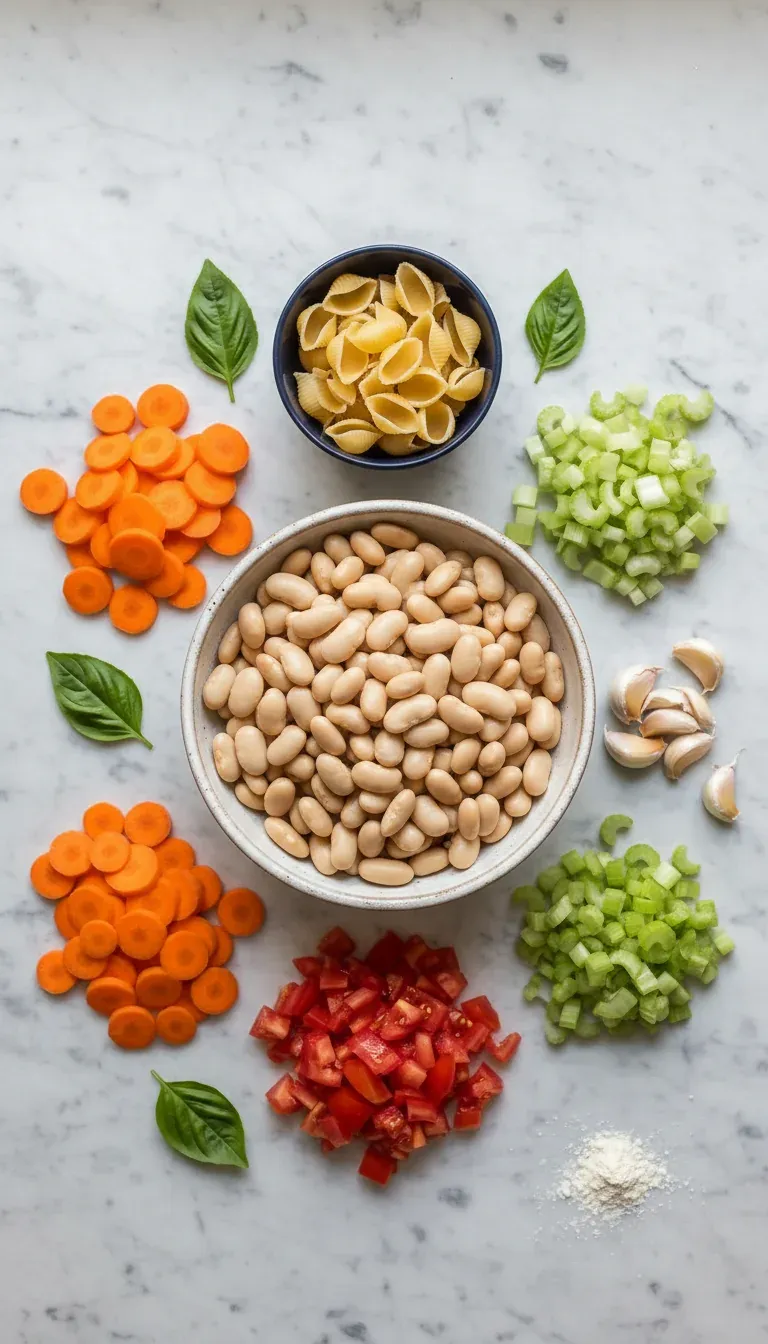
- Cannellini beans: Chickpeas or Kidney beans. Kidney beans will change the color of the broth to a darker red.
- Vegetable broth: Water and extra salt/herbs. Broth provides more depth, but water works in a pinch.
Variations
- Green Version: Replace diced tomatoes with extra spinach and kale for a greener, earthier soup.
- Hearty Beef Version: Brown some beef chunks at the start if you prefer a vegetable beef soup style.
Storage
Store in an airtight container in the refrigerator for up to 4 days. If you added pasta, consider storing it separately.
Make ahead
You can chop all the vegetables a day in advance. If making the soup ahead, leave out the pasta and add it only when reheating.
Leftovers
Reheat gently on the stovetop. If using a microwave, add a tablespoon of water to loosen the broth.
Serving ideas
- Serve in a warm bowl with a drizzle of extra virgin olive oil
- Pair with a crisp side salad
- Serve with a side of toasted ciabatta
- Garnish with a sprig of fresh basil
Allergy information
Contains gluten (pasta). For gluten-free, use GF pasta or omit entirely.
Healthy Minestrone Soup Recipe
A nutritious vegetarian minestrone soup filled with seasonal vegetables, beans, and pasta for a satisfying meal.
- Prep time
- 20 min
- Cook time
- 35 min
- Total time
- 55 min
- Difficulty
- Easy
- Cuisine
- Italian
Ingredients
The Base
The Body
Seasoning & Finish
Instructions
- 1
Heat the olive oil in a large pot over medium heat. Add the onion, carrots, and celery. Sauté them slowly for about 7-8 minutes until the onions are soft and translucent.
- 2
Stir in the minced garlic and dried oregano. Let them cook for just about a minute—just until the smell fills the kitchen, but be careful not to let the garlic brown too much.
- 3
Pour in the diced tomatoes with their juices and the vegetable broth. Bring the mixture to a gentle boil, then turn the heat down to low and let it simmer for 15 minutes.
- 4
Add the cannellini beans and zucchini. Let the soup simmer for another 5-7 minutes so the zucchini is tender but not falling apart.
- 5
Stir in the pasta and frozen peas. Cook for about 8-10 minutes, or until the pasta is al dente.
- 6
Remove from heat. Stir in the lemon juice, salt, pepper, and fresh parsley. Give it a taste and add a pinch more salt if it needs it.
Nutrition per serving
- 280 kcal
- Calories
- 14 g
- Protein
- 38 g
- Carbs
- 7 g
- Fat
Tips & notes
- For a deeper flavor, try using a lentil vegetable soup base for extra protein. - If the soup becomes too thick after reheating, simply add a splash of water or broth. - To keep the vegetables vibrant, don't overcook the peas and zucchini.
Frequently asked questions
Can I make this soup without pasta?
Absolutely. You can omit the pasta entirely for a lower-carb version, or replace it with extra beans or diced potatoes for a different kind of heartiness.
What is the best kind of pasta to use?
Small shapes like ditalini, macaroni, or broken spaghetti work best. You want something that fits on a spoon.
Can I freeze minestrone soup?
Yes, but I strongly suggest freezing it without the pasta. Pasta tends to get very mushy when thawed and reheated. Add fresh pasta when you warm the soup up.
How do I make it creamier without dairy?
You can take a cup of the cooked beans and blend them with a bit of broth, then stir that puree back into the pot.
What other vegetables can I add?
Spinach, kale, zucchini, or even diced turnips work wonderfully. Just add the leafy greens at the very end.
Can I use a slow cooker for this?
Yes, but sauté the onions and garlic first for better flavor. Set it on low for 6-8 hours, adding the pasta in the last 30 minutes.

Lucas Bennett
Chef Lucas Bennett specializes in rich and hearty beef dishes inspired by traditional steakhouse cooking. He is passionate about slow-cooked stews, juicy steaks, and bold flavors that highlight the natural taste of…