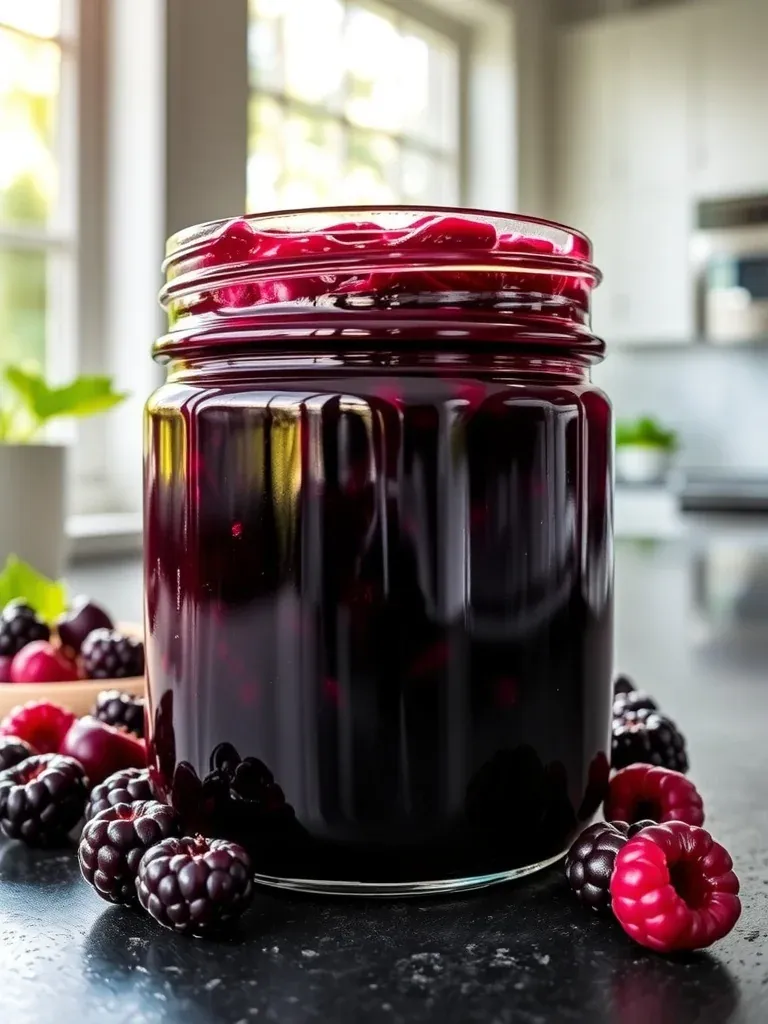
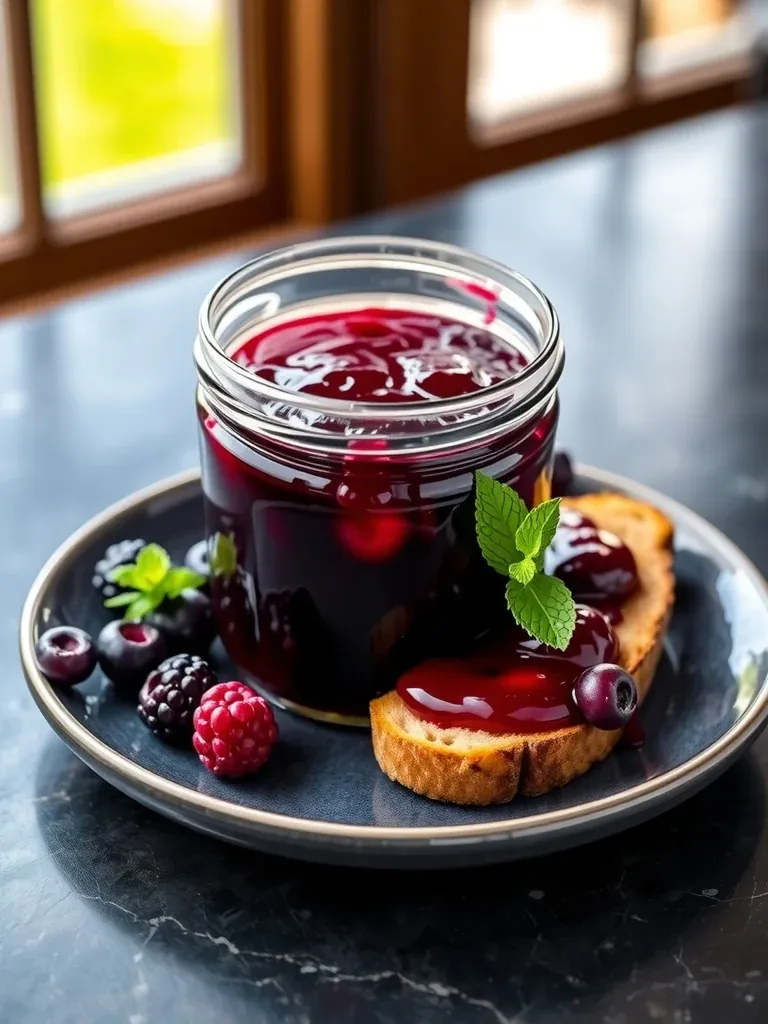
Honestly, there’s something magical about turning wild berries into a jar of shining jam. I remember the first time I walked through a huckleberry thicket on a cool morning, the air scented with earth and sweet fruit, and thought, wow, this would be perfect on my morning toast.
The essence of the dish
It’s the balance of sweet sugar and bright lemon that lets the natural tartness of huckleberries shine, while the gentle simmer preserves the fruit’s tender skins.
A fun fact or historical angle
Native American tribes used huckleberries not only as food but also as a dye for clothing, thanks to their deep indigo hue.
Flavor or sensory focus
You’ll notice the first bite is a glossy, fragrant swirl that yields a soft, melt‑in‑your‑mouth texture and a lingering sweet‑tart finish.
You Must Know
- Never let the jam scorch – keep the heat moderate.
- A clean lid prevents mold during storage.
- Refrigerate after opening for best quality.
When you finally lift the lid, the aroma should remind you of a summer hike, fresh and bright. Pair the jam with warm biscuits, swirl it into yogurt, or layer it on a simple cake. The possibilities are comforting and endless, and each spoonful feels like a small, sweet pause in a busy day.
The story behind it
The practice of preserving berries dates back to early settlers who needed a way to enjoy summer fruits through harsh winters. Huckleberries, native to the North American woodlands, were prized for their deep color and tart‑sweet flavor. While the technique is simple—sugar, fruit, and a touch of acid—a careful hand makes all the difference, creating a jam that feels both timeless and homey.
Why You'll Love It
- No fancy equipment needed, just a pot and patience
- The natural pectin in huckleberries gives a perfect spreadable texture
- Vibrant color that makes any breakfast look festive
- Ideal for gifts—just pour into a pretty jar
Tips for success
- Don't rush the simmer – a slow boil preserves color and flavor.
- Skim foam to keep the jam clear and glossy.
- Taste and adjust lemon or sugar before finishing.
Professional secrets
- Use a clean, dry spoon to stir – metal can catalyze browning.
- Add a splash of water if the jam threatens to stick early on.
- Cool the jam on a wire rack to prevent condensation inside the jar.
Common mistakes to avoid
- Overheating the jam, which can cause a bitter taste.
- Adding lemon juice too early, which may prevent proper setting.
- Using unsterilized jars, leading to spoilage.
Substitutions
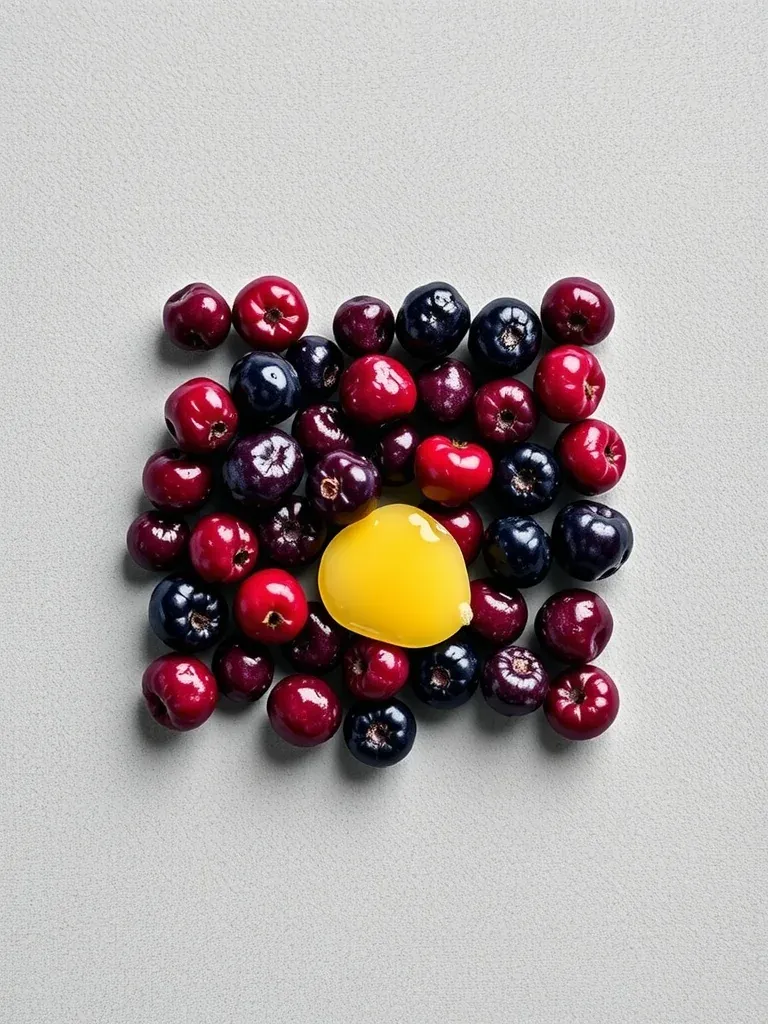
- Huckleberries: Blueberries or blackberries. Flavor will be milder; adjust sugar to taste.
- Sugar: Honey or agave syrup. May affect the jam’s set; use less liquid overall.
Variations
- Spicy Version: Add 1/4 tsp ground ginger and a pinch of cayenne for a warm kick.
- Mediterranean Style: Stir in crumbled feta and a drizzle of olive oil just before serving for a savory twist.
Storage
Store unopened jars in a cool, dark pantry for up to a year. Once opened, refrigerate and use within 2–3 months.
Make ahead
You can prepare the jam up to a week in advance; let it cool fully before sealing the jars.
Leftovers
Reheat gently in a saucepan with a splash of water, stirring until smooth, then use as a sauce for pancakes.
Serving ideas
- Spread on warm scones with a dollop of clotted cream.
- Swirl into plain Greek yogurt for a quick breakfast.
- Layer between flaky pastry for a simple dessert.
- Garnish with a sprinkle of toasted walnuts for texture.
Allergy information
Contains fruit and sugar; may contain traces of nuts if processed in shared facilities.
Homemade Huckleberry Jam Recipe
Bright, berry‑laden jam that captures the mountain‑wild flavor of huckleberries in a silky spread.
- Prep time
- 15 min
- Cook time
- 30 min
- Total time
- 45 min
- Difficulty
- Easy
- Cuisine
- American
Ingredients
Main Ingredients
Optional Add‑Ons
Instructions
- 1
Place the huckleberries in a large, heavy‑bottomed pot; stir in the sugar and let them sit for 10 minutes so the berries release their juices.
- 2
Turn the heat to medium‑low and bring the mixture to a gentle simmer, stirring occasionally. Watch as the berries soften and the liquid becomes a deep purple‑red glaze.
- 3
Add the lemon juice and pinch of salt; this brightens the flavor and helps the jam set. If using pectin, stir it in now.
- 4
Continue to simmer for about 20‑25 minutes, skimming any foam that rises. The jam should thicken enough to coat the back of a spoon.
- 5
Remove from heat, stir in vanilla if desired, then let the jam cool for a few minutes.
- 6
Transfer the hot jam into sterilized jars, leaving 1/4‑inch headspace. Seal and let cool to room temperature before storing.
Nutrition per serving
- 120 kcal
- Calories
- 1 g
- Protein
- 30 g
- Carbs
- 0 g
- Fat
Tips & notes
- If the jam seems too runny, continue cooking a few minutes longer; it will thicken as it cools. - For a smoother jam, press the berries through a sieve before cooking, but I love the small berry skins left in for texture.
Frequently asked questions
Can I use frozen huckleberries?
Yes, thaw them first and drain excess liquid; the jam may need a couple extra minutes to thicken.
Do I need commercial pectin?
Huckleberries have natural pectin, so the jam will set nicely without it. Add pectin only if you prefer a firmer texture.
How long will the jam keep?
Unopened, stored in a cool, dark place, it lasts up to a year. Once opened, keep it refrigerated and use within 2‑3 months.
Can I substitute lemon juice?
A splash of apple cider vinegar works in a pinch, but it will alter the flavor slightly.
Is sugar optional?
Sugar helps with preservation and texture; you can reduce it, but the jam will be less glossy and shelf‑stable.
What can I pair the jam with?
Try it on toast, scones, pancakes, or as a filling for pastries like huckleberry crumb bars here.

Amelia Hart
Chef Amelia Hart is a dessert enthusiast who loves creating elegant cakes, cookies, and baked treats. Her baking style combines classic pastry techniques with creative flavor combinations. Amelia believes that desserts…