Honestly, when I first baked this lemon blueberry cake, the kitchen smelled like sunshine. The gentle hum of the oven, the perfume of fresh lemons and ripe blueberries, and that subtle buttery aroma—it all felt like a quiet pause in a busy day. I remember a summer afternoon when my grandchildren asked for a treat; I whisked together the batter, poured it into the pan, and watched the cake rise, golden and inviting. lemon blueberry trifle was a later inspiration, but this cake stands on its own.
The essence of the dish
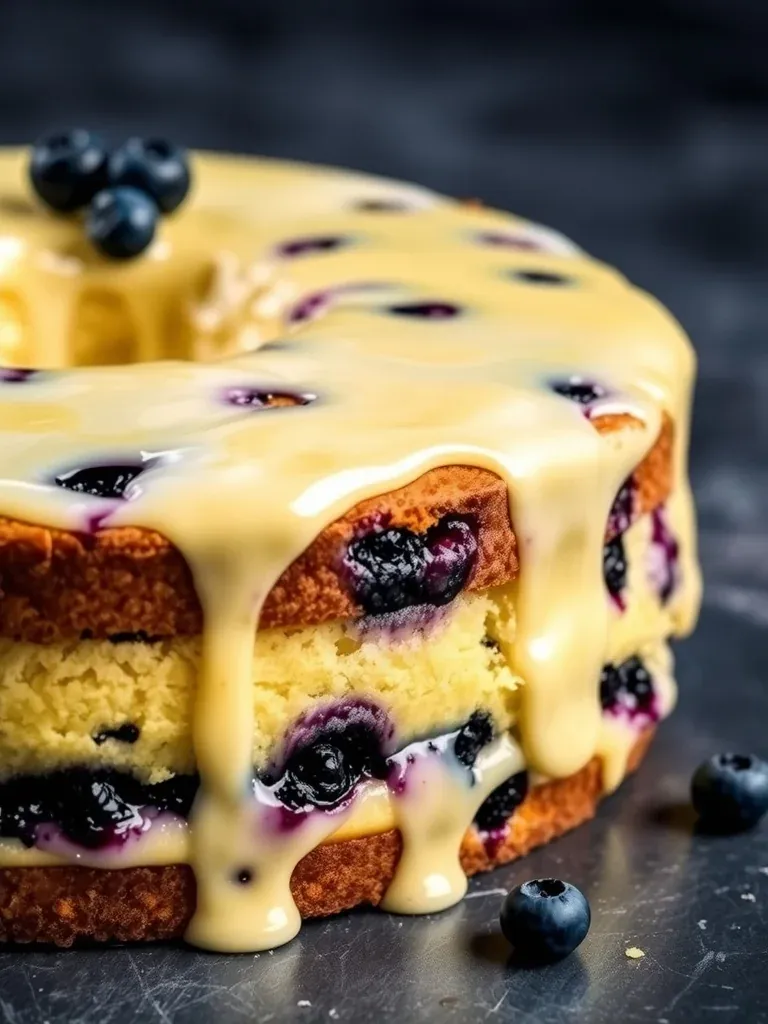
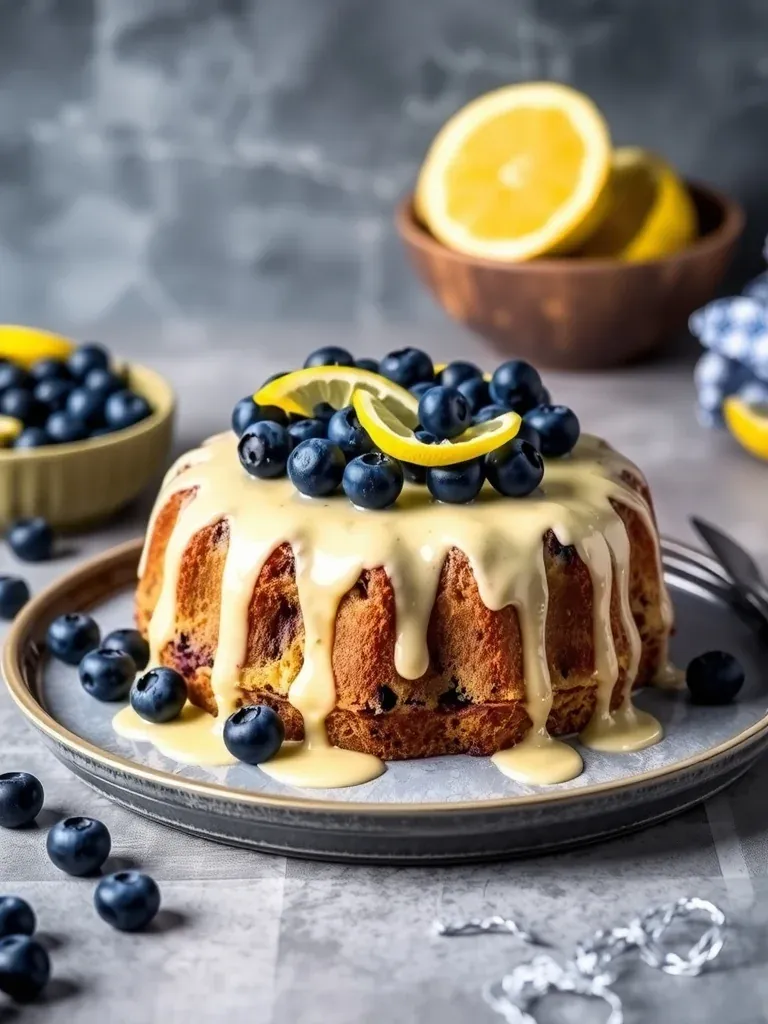
A balance of bright citrus, sweet berries, and buttery crumb creates a cake that feels both light and comforting. The glaze adds just enough tang to keep each bite refreshing.
A fun fact or historical angle
During the 1920s, home bakers often used lemon to preserve the color of cakes, while blueberries were prized for their natural sweetness during the summer harvest.
Flavor or sensory focus
First, the citrus aroma greets you; then, the soft, moist crumb yields to the burst of juicy blueberries, finishing with a silky, tangy glaze.
You Must Know
- Use fresh lemons for the best zest.
- Do not over‑bake; check at 30 minutes.
- Cool completely before glazing.
These small steps make a big difference. I’ve learned that a cake feels most inviting when it’s allowed to rest, the glaze settling like a gentle dew. So, take a breath, let it cool, and then slice. The result is a cake that’s soft, fragrant, and perfect for sharing with loved ones.
The story behind it
The lemon blueberry cake traces its roots to early 20th‑century American home bakers who cherished citrus for its bright flavor and blueberries for their sweet burst. This combination became a beloved staple at bake‑sales and family gatherings, especially in the Northeast where both fruits flourish. Over decades the recipe has been refined, balancing the tartness of lemon with the natural sweetness of berries, creating a dessert that feels both nostalgic and fresh. It’s a quiet homage to those kitchen tables where generations shared slices.
Why You'll Love It
- Moist crumb that stays tender for days
- Fresh lemon zest gives a clean, uplifting aroma
- Bursting blueberries add natural sweetness
- Simple glaze adds a glossy, tangy finish
Tips for success
- Do not over‑mix the batter; it can make the crumb dense.
- Pat blueberries dry; excess moisture can sink them.
- Allow the cake to cool on a wire rack before glazing.
Professional secrets
- Room‑temperature butter blends more evenly, creating a uniform crumb.
- Sifting dry ingredients incorporates air for a lighter texture.
- Glazing while warm lets the sugar caramelize slightly, adding depth.
Common mistakes to avoid
- Over‑mixing the batter, leading to a dense crumb.
- Adding blueberries before the batter is fully combined, causing them to sink.
- Baking at too high a temperature, which can dry the edges.
Substitutions
- All‑purpose flour: Whole wheat pastry flour. Gives a nuttier flavor; may need a touch more liquid.
- Butter: Coconut oil. Adds a faint coconut aroma; use solid form for creaming.
Variations
- Spicy Version: Add ½ tsp ground ginger and a pinch of cayenne to the batter for a subtle heat.
- Mediterranean Style: Fold in chopped pistachios and a drizzle of honey over the glaze after it sets.
Storage
Store in an airtight container at room temperature for up to three days; refrigerate for longer freshness, covered with plastic wrap.
Make ahead
You can bake the cake a day ahead, wrap it tightly, and add the glaze just before serving for maximum freshness.
Leftovers
Reheat a slice gently in a skillet over low heat, covering to keep moisture; serve with a splash of milk or a spoonful of fresh berries.
Serving ideas
- Serve each slice with a dollop of whipped cream and a few extra blueberries.
- Pair with a cup of Earl Grey tea for a gentle, aromatic complement.
- Garnish the top with a thin strip of lemon zest for visual appeal.
Allergy information
Contains gluten, dairy, and eggs.
Lemon Blueberry Cake
Moist lemon blueberry cake with a bright glaze—soft crumb, sweet‑tart berries, and a subtle lemon kiss.
- Prep time
- 20 min
- Cook time
- 30 min
- Total time
- 50 min
- Difficulty
- Easy
- Cuisine
- American
Ingredients
Cake
Lemon Glaze
Instructions
- 1
Preheat the oven to 350°F (175°C). Grease a 9‑inch round cake pan and line the bottom with parchment.
- 2
In a bowl whisk together flour, baking powder, and salt; set aside.
- 3
Cream butter and sugar together until light and fluffy, about 3‑4 minutes. Add eggs one at a time, beating well after each.
- 4
Mix in lemon zest and juice, then alternate adding the dry ingredients and buttermilk, beginning and ending with the dry mix.
- 5
Gently fold in the blueberries, taking care not to crush them.
- 6
Pour batter into the prepared pan, smooth the top, and bake for 30‑35 minutes, or until a toothpick comes out clean.
- 7
While the cake cools, whisk together powdered sugar, lemon juice, and zest until smooth.
- 8
When the cake is warm, drizzle the glaze over the top, allowing it to drip down the sides. Let it set before serving.
Nutrition per serving
- 320 kcal
- Calories
- 4 g
- Protein
- 49 g
- Carbs
- 11 g
- Fat
Tips & notes
- If the glaze thickens too much, add a splash more lemon juice. - For extra zing, dust the finished cake with a pinch of lemon zest. - You can substitute half the blueberries with raspberries for a different hue.
Frequently asked questions
Can I use frozen blueberries?
Yes, just thaw and pat dry before folding them in; they add extra moisture, so you may need a minute less baking time.
What if I don’t have buttermilk?
Mix 1 cup milk with 1 tbsp lemon juice or vinegar and let sit 5 minutes; it will curdle and work as a substitute.
How do I store leftovers?
Wrap the cake tightly in plastic wrap and keep it at room temperature for up to three days, or refrigerate for longer freshness.
Can I make this cake gluten‑free?
Swap all‑purpose flour for a 1‑to‑1 gluten‑free blend; the texture remains tender.
Is the glaze necessary?
It adds a beautiful shine and a final tang, but you can serve the cake plain if you prefer a softer crust.
What makes the crumb so moist?
The combination of buttermilk, butter, and careful mixing creates steam during baking that keeps the interior soft.

Amelia Hart
Chef Amelia Hart is a dessert enthusiast who loves creating elegant cakes, cookies, and baked treats. Her baking style combines classic pastry techniques with creative flavor combinations. Amelia believes that desserts…