Honestly, when I first tried a mango‑based dessert, I was reminded of summers spent on the porch. So, I crafted this mousse cake to capture that mellow glow. Check out the two‑egg mango cake for an earlier experiment that taught me the value of patience.
The essence of the dish
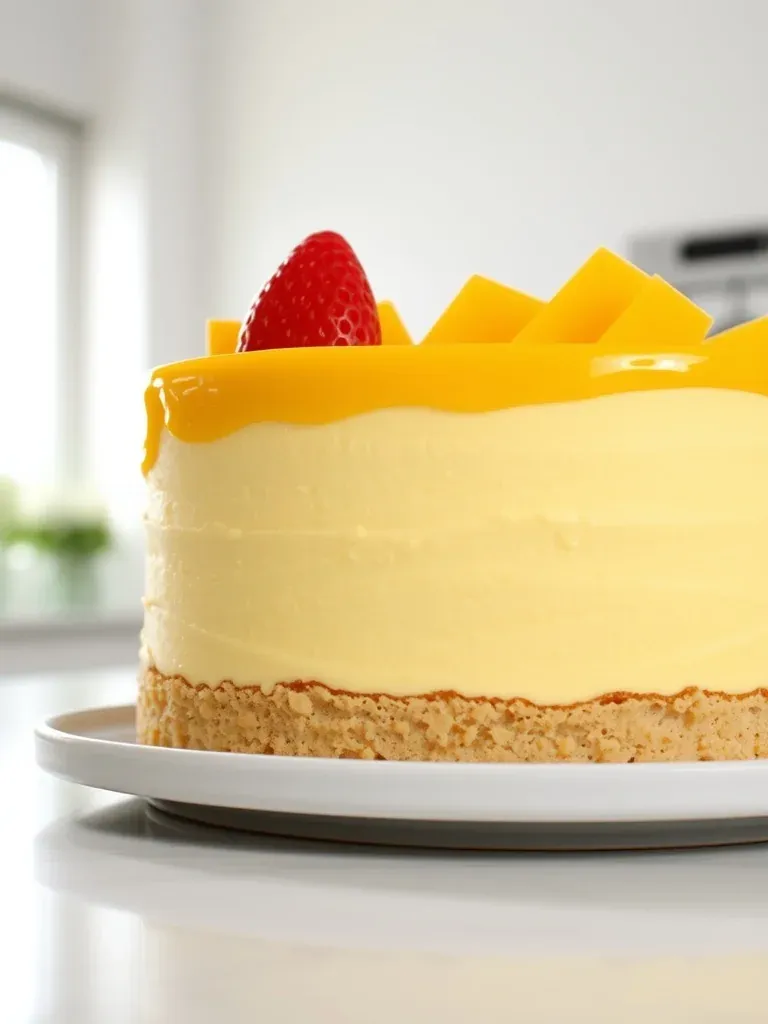
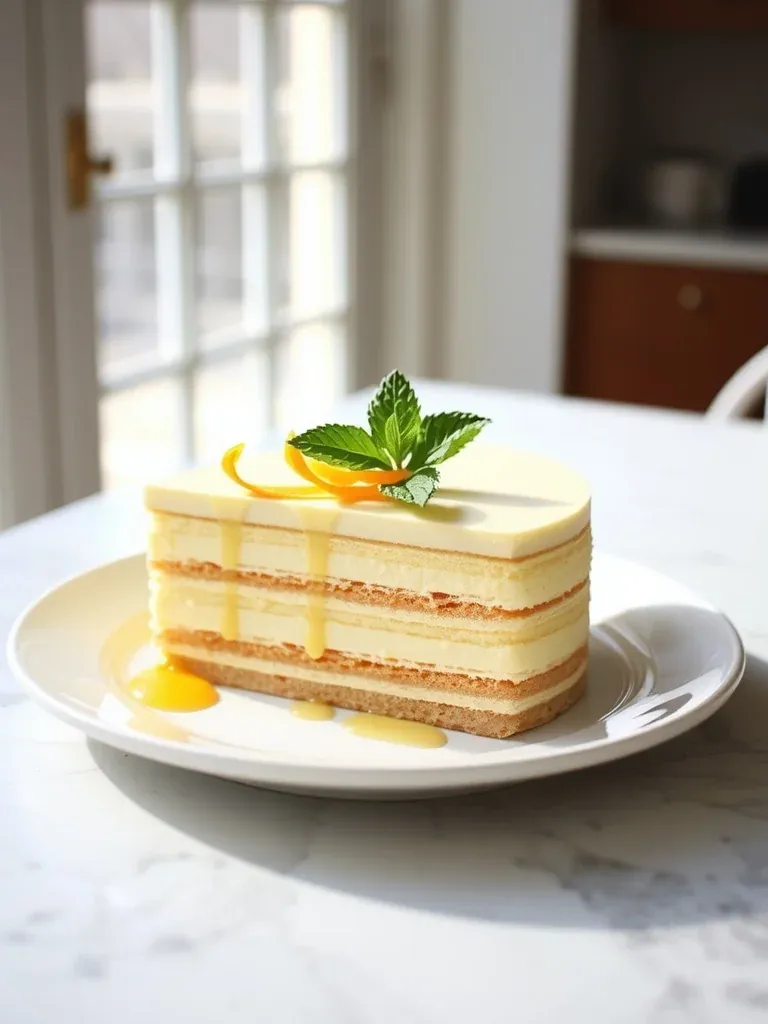
What makes this cake special is the balance between the light, airy mango mousse and the buttery, slightly crisp crumb. The contrast creates a delightful mouthfeel that feels both delicate and satisfying.
A fun fact or historical angle
Did you know mangoes were first cultivated in South Asia over 4,000 years ago? Their journey across the globe introduced them to dessert makers who cherished their perfume.
Flavor or sensory focus
The first bite offers a whisper of tropical sunshine, then the mousse unfolds into a smooth, velvety texture, while the crumb adds a lingering buttery crunch.
You Must Know
- Mangoes should be fully ripe
- Do not over‑whip the cream
- Chill before serving
When I first tried this, I learned that timing is everything. A few minutes more in the fridge and the mousse settles perfectly, creating clean slices. So, patience pays off, and the result feels like a quiet celebration of summer.
The story behind it
Mango mousse cake traces its roots to tropical verandas where fruit was turned into delicate desserts. The technique of folding whipped cream into puréed fruit dates back to early 20th‑century Europe, but the mango twist arrived with the spread of the fruit across continents. The result is a light, fragrant dessert that celebrates the fruit’s natural sweetness without heavy cream.
Why You'll Love It
- Airy mousse that melts in your mouth
- Simple, buttery base that adds subtle crunch
- Refreshing tropical flavor without added sugar
- Elegant presentation for any gathering
Tips for success
- Do not over‑whip the cream; it will lose its airy texture.
- Press the crumb base evenly to avoid gaps.
- Chill the pan before adding mousse for better set.
Professional secrets
- Room temperature cream incorporates air more easily, giving a lighter mousse.
- Toast the crumb base just until golden for a subtle nutty aroma.
- Fold the mango purée gently to keep the mousse from deflating.
Common mistakes to avoid
- Over‑whipping cream, which makes mousse dense
- Using unripe mangoes, resulting in bland flavor
- Skipping the chill time, causing the mousse to collapse
Substitutions
- Heavy cream: Coconut cream. Gives a dairy‑free version; chill the coconut cream before whipping.
- Graham cracker crumbs: Almond meal. Adds a nutty flavor and makes the recipe gluten‑free.
Variations
- Spicy Version: Add a pinch of cayenne pepper to the mango purée for a subtle heat.
- Coconut Delight: Replace butter in the crust with coconut oil and garnish with toasted coconut flakes.
Storage
Store in the refrigerator, covered, for up to 3 days. Re‑freeze is not recommended.
Make ahead
The mousse can be prepared a day ahead; keep it refrigerated and add the garnish just before serving.
Leftovers
Store any leftovers in a sealed container; enjoy within two days for best texture.
Serving ideas
- Serve each slice on a chilled plate
- Garnish with mint leaves and a thin mango ribbon
- Pair with a glass of chilled sparkling water with a splash of lime
- Add a dollop of whipped coconut cream for extra richness
Allergy information
Contains dairy and gluten.
Mango Mousse Cake: Light & Fluffy Dessert
Silky mango mousse cake with airy texture, buttery crumb, and a hint of tropical sunshine.
- Prep time
- 20 min
- Total time
- 20 min
- Difficulty
- Easy
- Cuisine
- International
Ingredients
Mousse
Crumb Base
Garnish
Instructions
- 1
Preheat the oven to 350°F (175°C). Mix graham cracker crumbs, melted butter, and brown sugar; press into the bottom of a 9‑inch springform pan and bake for 8 minutes until lightly golden. Let cool.
- 2
While the base cools, whisk heavy cream with powdered sugar until soft peaks form. Set aside.
- 3
In a separate bowl, combine mango purée, lemon juice, and vanilla. Gently fold the mango mixture into the whipped cream, preserving as much air as possible.
- 4
Pour the mousse over the cooled crumb base, smoothing the top. Refrigerate for at least 2 hours, or until set.
- 5
Before serving, arrange thin mango slices on top, add a few mint leaves, and lightly dust with powdered sugar.
Nutrition per serving
- 280 kcal
- Calories
- 4 g
- Protein
- 32 g
- Carbs
- 14 g
- Fat
Tips & notes
- If the mousse seems too loose, chill the bowl and whisk for a few extra minutes. - For extra fragrance, add a pinch of orange zest to the mango purée. - Serve directly from the refrigerator; the cake softens quickly at room temperature.
Frequently asked questions
Can I use frozen mangoes?
Yes, thaw them completely and drain excess liquid before pureeing to keep the mousse from becoming watery.
What if I don’t have a springform pan?
A regular round cake pan works; just line it with parchment paper for easy removal.
How long can I store the cake?
Keep it refrigerated in an airtight container for up to 3 days; the texture stays pleasant.
Can I add a glaze?
A light mango glaze made with mango puree and a touch of gelatin adds shine and extra flavor.
Is this recipe gluten‑free?
Swap the graham cracker crumbs with gluten‑free oat crumbs or almond meal.
What other desserts use mango mousse?
Check out the Mango Charlotte Cake for a similar mousse layered with sponge.

Amelia Hart
Chef Amelia Hart is a dessert enthusiast who loves creating elegant cakes, cookies, and baked treats. Her baking style combines classic pastry techniques with creative flavor combinations. Amelia believes that desserts…