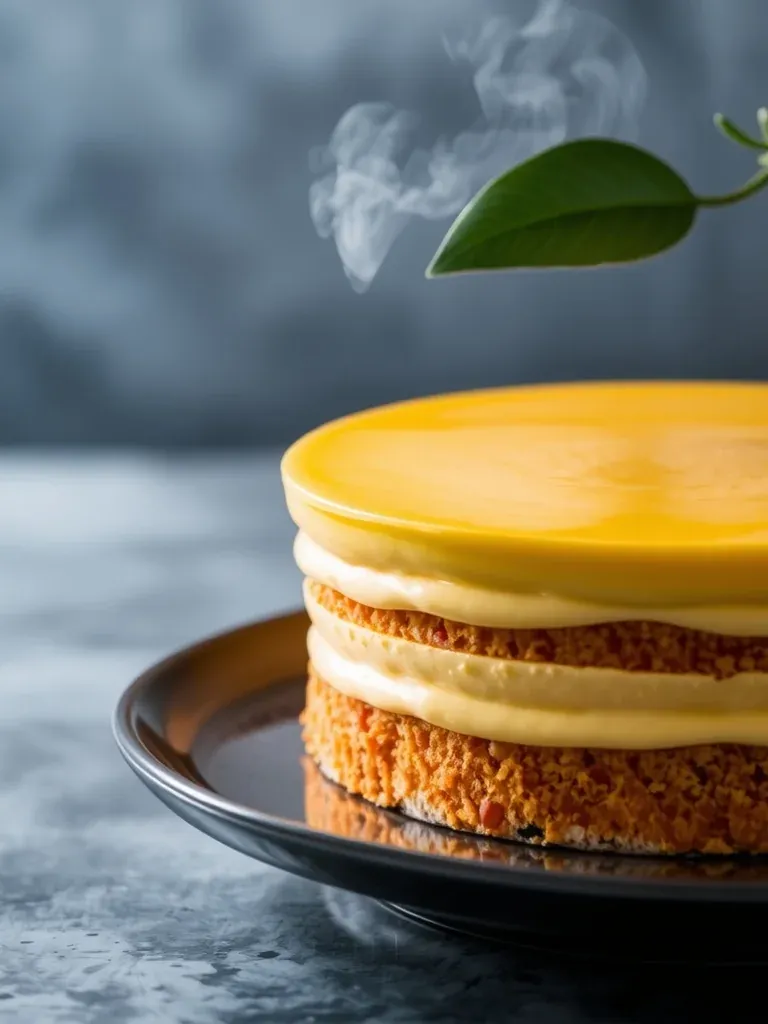
I remember the first time I tasted a mango mousse that seemed to melt like sunrise. The sweet fragrance filled the kitchen, and I thought, wow, this is the kind of cake that makes moments linger. So, I gathered ripe mangoes, a touch of vanilla, and a lot of love to create this gentle dessert. mango cake inspiration guided my steps, and the result is a whisper of tropical breezes on each bite.
The essence of the dish
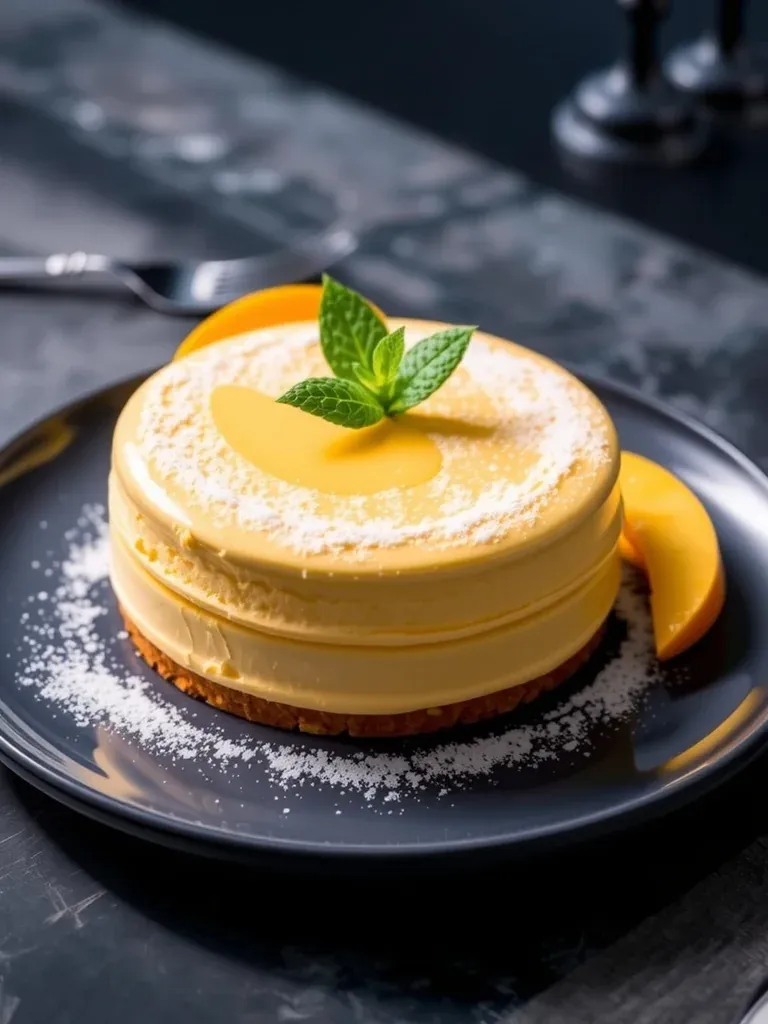
The mousse offers a silky, melt‑in‑your‑mouth feel, while the crumb base provides just enough structure to hold the airy layers together.
A fun fact or historical angle
Mangoes were first cultivated in South Asia over 4,000 years ago, and their sweet pulp has long been celebrated in royal feasts.
Flavor or sensory focus
Expect the bright, citrus‑kissed mango flavor to lead, followed by the buttery crumb that rounds out each bite.
You Must Know
- Mangoes should be fully ripe for the best sweetness
- Gelatin must be fully dissolved to avoid grainy texture
- Chill the cake for at least 4 hours for proper set
Keeping these points in mind makes the process smoother. I remember a time when my mousse was a bit wobbly because I rushed the gelatin step; taking a breath and letting it bloom fully changed everything. The result? A confident, stable cake that holds its shape beautifully.
The story behind it
Mango mousse cakes trace their roots to South Asian dessert traditions where fresh fruits were pureed and folded into lightened creams. Over time, bakers in tropical regions adapted the concept, layering the mousse over a delicate sponge to balance texture and flavor. This evolution reflects the region's love for celebrating bounty with airy sweets that showcase the fruit's natural sweetness without overwhelming richness.
Why You'll Love It
- Light and airy texture that feels like clouds
- Fresh mango flavor that awakens the palate
- Simple ingredients you likely have at home
- Elegant presentation with minimal effort
Tips for success
- Don't over‑beat after adding gelatin, it will deflate the mousse
- Let the crumb base cool completely to avoid melting the mousse
- Taste the mango purée before adding sugar; adjust sweetness naturally
Professional secrets
- Bloom gelatin in cold water for a smooth set
- Use a chilled bowl for whipping cream cheese to keep it firm
- Fold ingredients gently with a rubber spatula to preserve air
Common mistakes to avoid
- Over‑mixing after adding gelatin, which deflates the mousse
- Using unripe mangoes, leading to a bland flavor
- Skipping the cooling step for the crumb base, causing a soggy bottom
Substitutions
- Cream cheese: Greek yogurt (full‑fat). Will yield a lighter mousse; ensure it’s strained to remove excess water.
- Gelatin: Agar‑agar. Use 1/2 tsp agar‑agar powder dissolved in 2 tbsp water; set times may vary.
Variations
- Spicy Version: Add a pinch of cayenne pepper to the mango purée for a subtle heat that contrasts the sweet.
- Mediterranean Style: Fold in chopped pistachios and a drizzle of honey for a nutty, aromatic twist.
Storage
Store in an airtight container in the refrigerator for up to 3 days; keep the cake covered to prevent it from absorbing other odors.
Make ahead
You can prepare the mousse layer up to 24 hours ahead; keep it refrigerated and cover tightly.
Leftovers
Store leftovers in individual containers; gently warm a slice in a microwave for 10 seconds before serving to revive the texture.
Serving ideas
- Serve each slice with a side of whipped coconut cream
- Pair with a light fruit salsa of mango and lime
- Garnish with edible flowers for a special occasion
- Accompany with a chilled glass of sparkling water
Allergy information
Contains dairy (cream cheese, butter) and gluten (flour).
Mango Mousse Cake Recipe
A soft, airy mango mousse cake with a buttery crumb, bright tropical flavor, and elegant presentation.
- Prep time
- 20 min
- Cook time
- 15 min
- Total time
- 35 min
- Difficulty
- Easy
- Cuisine
- International
Ingredients
Mousse
Crumb Base
Instructions
- 1
Preheat the oven to 350°F (175°C). In a bowl, combine flour, sugar, melted butter, and salt; press the mixture into the bottom of a 6‑inch springform pan and bake for 12 minutes until lightly golden. Let cool.
- 2
While the base cools, blend the mango flesh into a smooth purée. Sprinkle gelatin over cold water, let it bloom for 5 minutes, then gently warm to dissolve.
- 3
In a separate bowl, beat the softened cream cheese with powdered sugar until light and fluffy; add vanilla, lemon juice, and the mango purée, mixing gently.
- 4
Stir the dissolved gelatin into the mango‑cream mixture, ensuring it’s fully incorporated but without over‑mixing, to keep the mousse airy.
- 5
Pour the mousse over the cooled crumb base, smooth the top, then refrigerate for at least 4 hours or until set. Before serving, garnish with fresh mango slices and a light dusting of toasted coconut.
Nutrition per serving
- 280 kcal
- Calories
- 5 g
- Protein
- 32 g
- Carbs
- 12 g
- Fat
Tips & notes
- Make sure the cream cheese is at room temperature; cold cheese will create lumps. - If the mousse seems too runny, chill it a bit longer before adding the gelatin. - Garnish just before serving to keep the coconut crunchy.
Frequently asked questions
Can I use fresh or frozen mangoes?
Both work, but fresh mangoes give a brighter flavor and smoother texture. If using frozen, thaw completely and drain excess liquid.
What can I replace gelatin with?
Agar‑agar can be used for a vegetarian version; follow the package instructions for the correct amount.
How long can I store the cake?
Refrigerate in an airtight container for up to 3 days; the mousse stays fresh and the crumb stays moist.
Can I add a topping?
A light dusting of toasted coconut or a few fresh mango ribbons adds texture and visual appeal.
Is the recipe gluten‑free?
Use a gluten‑free crumb base made from almond meal or gluten‑free flour to keep it safe for gluten‑intolerant guests.
What size pan should I use?
A 6‑inch springform pan works well; it creates a neat, even layer of mousse.

Amelia Hart
Chef Amelia Hart is a dessert enthusiast who loves creating elegant cakes, cookies, and baked treats. Her baking style combines classic pastry techniques with creative flavor combinations. Amelia believes that desserts…