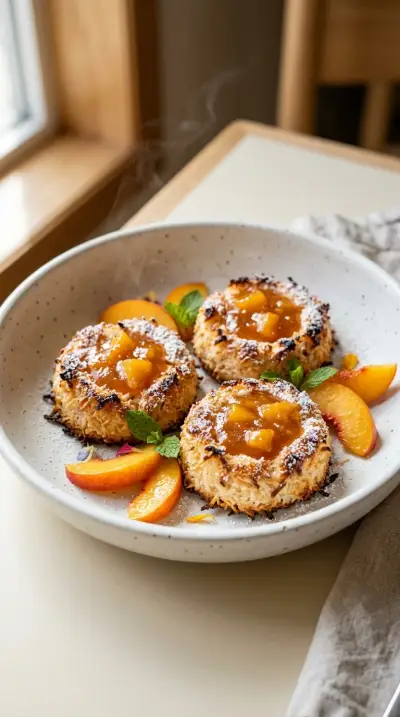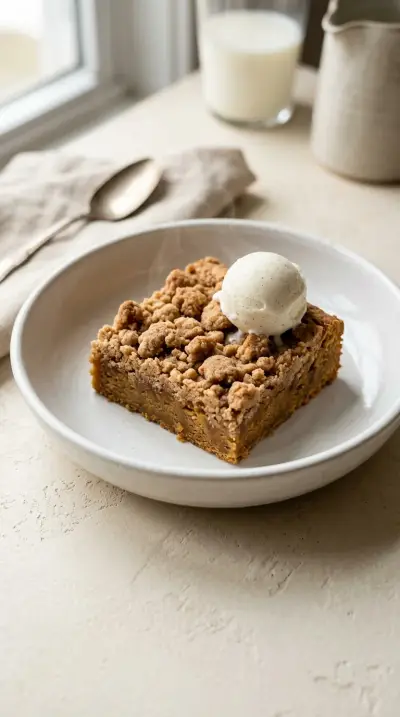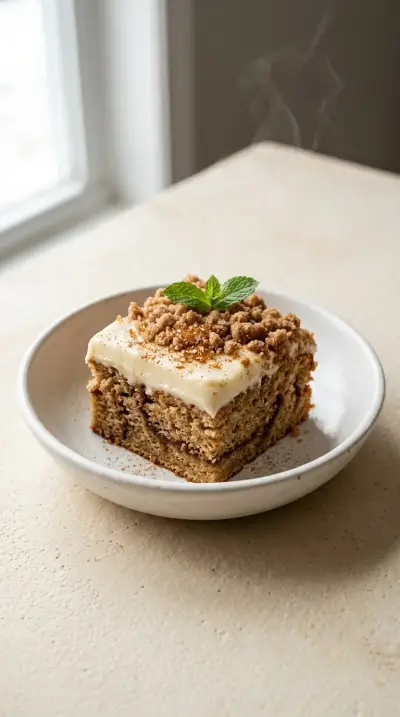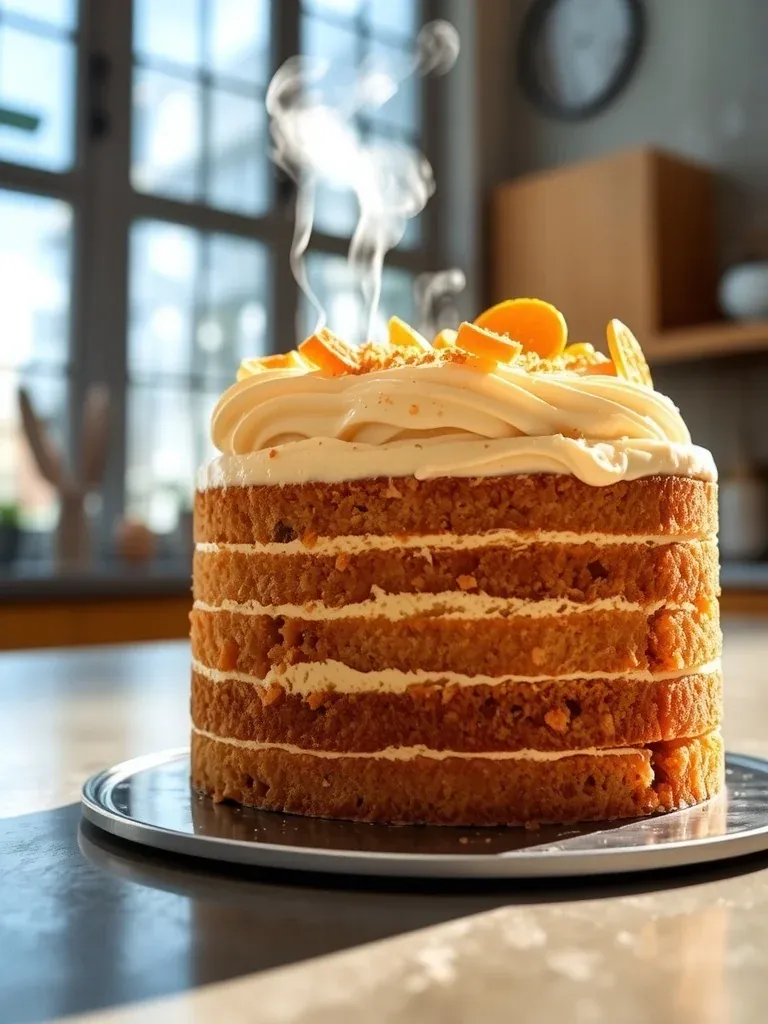
Well, let me take a moment. I’m thinking about the warm kitchen light, the faint scent of vanilla, and the gentle hum of a mixer. This cake is built on those simple, calm moments. It’s not about flashy techniques; it’s about steady hands, a little patience, and a lot of love. So, grab your whisk and let’s create something that feels like a quiet hug on a plate.
The essence of the dish
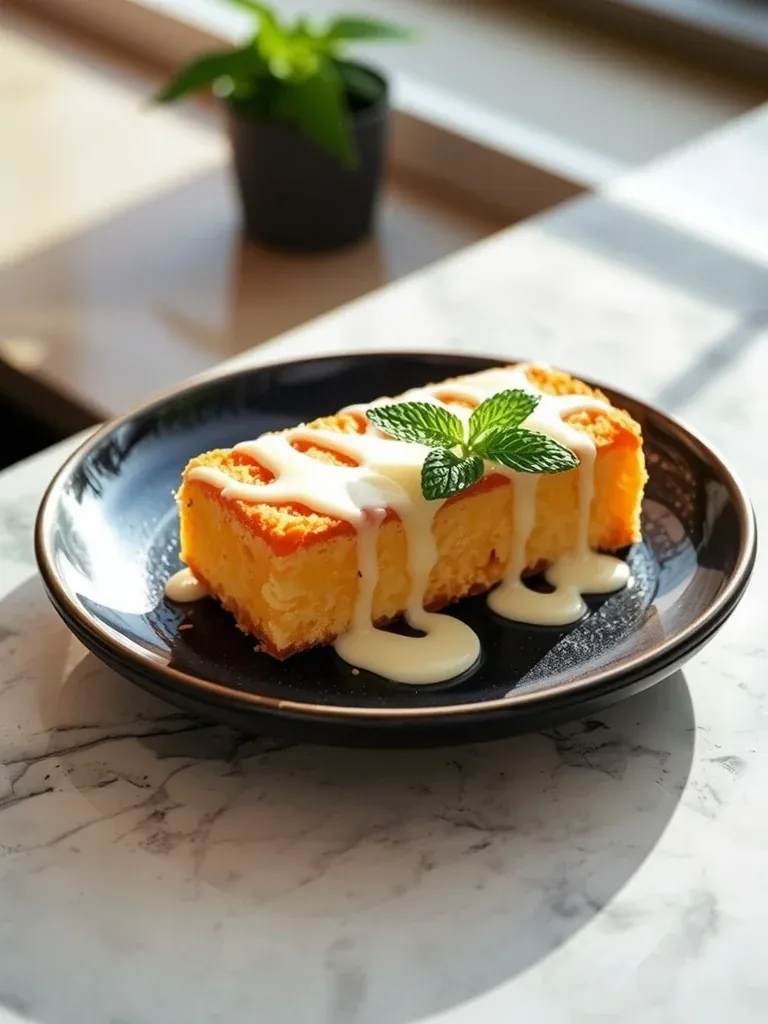
A tender crumb, buttery richness, and a glossy, soft frosting combine to create a dessert that seems to dissolve as soon as it touches the palate.
A fun fact or historical angle
Victorian sponge cakes were originally called "Genoise," prized for their ability to stay moist and melt softly, a tradition we honor today.
Flavor or sensory focus
The delicate vanilla aroma mingles with a hint of citrus, while the buttery sweetness offers a comforting, lingering finish.
You Must Know
- Do not over‑mix the batter
- Room‑temperature ingredients are key
- Cool the cake completely before frosting
Keeping these points in mind will ensure the cake stays light and airy. I’ve learned this through many evenings of trial, and now it feels like second nature. So, trust the process, enjoy the moments between steps, and let the kitchen fill with that gentle, sweet scent.
When you finally slice into the cake, the texture should be so soft it practically melts, and the frosting adds just the right amount of silkiness to round out the experience.
The story behind it
The concept of a melt‑in‑your‑mouth cake traces back to Victorian sponge cakes, prized for their airy crumb and subtle sweetness. Historically, bakers relied on beaten eggs and softened butter to achieve that feather‑light texture, a tradition that endures today. This recipe modernizes that heritage, preserving the classic feel while using straightforward methods that anyone can master.
Why You'll Love It
- The crumb is cloud‑like and melts instantly
- Simple pantry ingredients you likely already have
- Perfect for birthdays, teatimes, or just because
- Versatile base for seasonal fruit toppings
Tips for success
- Sift flour twice to keep the crumb airy
- Use room‑temperature eggs for a smooth batter
- Do not open the oven door during baking
Professional secrets
- Cream butter and sugar until the mixture turns pale, creating air pockets
- Add milk gradually to retain moisture without over‑mixing
- Cool the cake upside down for an even, flat top
Common mistakes to avoid
- Over‑mixing the batter, which can toughen the crumb
- Opening the oven door too early, causing a temperature drop
- Using cold butter, leading to a gritty texture
Substitutions
- All‑purpose flour: Gluten‑free flour blend. Use a 1‑to‑1 substitution; the texture stays light.
- Unsalted butter: Melted coconut oil. Provides a subtle coconut note; keep the same amount.
Variations
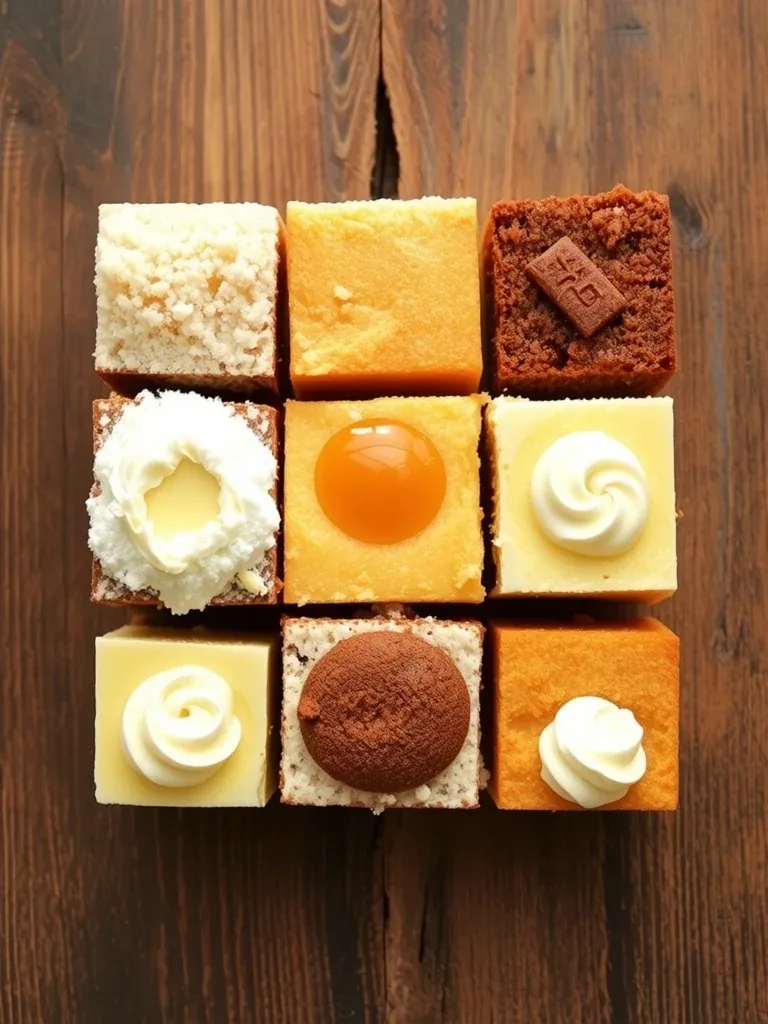
- Spicy Version: Add a pinch of ground cinnamon and a dash of nutmeg to the batter for a warm, cozy flavor.
- Mediterranean Style: Fold in chopped pistachios and a drizzle of honey for a fragrant twist.
Storage
Wrap tightly in plastic wrap and keep at room temperature for up to three days, or refrigerate for up to a week.
Make ahead
You can bake the cake layers a day ahead, wrap them tightly, and add the frosting just before serving.
Leftovers
Reheat gently in a microwave for 10‑15 seconds; the cake will retain its melt‑in‑your‑mouth texture.
Serving ideas
- Serve plain with a dusting of powdered sugar.
- Top with fresh berries and a spoonful of whipped cream.
- Pair with a cup of Earl Grey tea for a refined touch.
- Add a light drizzle of caramel sauce for extra indulgence.
Allergy information
Contains wheat, dairy, and eggs.
Melt-in-Your-Mouth Cake
A ultra‑soft, sweet cake that literally melts in your mouth, ideal for any celebration.
- Prep time
- 20 min
- Cook time
- 30 min
- Total time
- 50 min
- Difficulty
- Easy
- Cuisine
- American
Ingredients
Cake Batter
Frosting
Instructions
- 1
Preheat the oven to 350°F (175°C). Grease and flour a 9‑inch round cake pan; set aside.
- 2
In a large bowl, cream the softened butter with the granulated sugar until light and fluffy, about 3‑4 minutes.
- 3
Add the eggs one at a time, beating well after each, then stir in the vanilla extract and lemon zest.
- 4
Sift together flour and baking powder. Gradually add the dry blend to the butter mixture, alternating with milk, beginning and ending with flour.
- 5
Pour the batter into the prepared pan and smooth the top. Bake for 30‑35 minutes, or until a toothpick inserted in the center comes out clean.
- 6
Allow the cake to cool in the pan for 10 minutes, then turn out onto a wire rack to cool completely.
- 7
While the cake cools, whisk together powdered sugar, softened butter, milk, and vanilla until a smooth, spreadable frosting forms.
- 8
Spread the frosting over the cooled cake, letting it melt into the surface for that signature soft feel.
Nutrition per serving
- 420 kcal
- Calories
- 5 g
- Protein
- 58 g
- Carbs
- 18 g
- Fat
Tips & notes
- Measure flour with a spoon and level off for accurate results. - Do not over‑mix after adding flour; it can make the cake dense. - For a fruity twist, top with fresh berries after frosting.
Frequently asked questions
Can I make this cake gluten‑free?
Yes, substitute the all‑purpose flour with a 1‑to‑1 gluten‑free flour blend and follow the same steps.
How do I store leftovers?
Wrap the cake tightly in plastic wrap and keep it at room temperature for up to three days, or refrigerate for a longer stay.
What frosting works best?
A simple powdered‑sugar glaze or light buttercream both complement the melt‑in‑your‑mouth texture.
Can I add fruit layers?
Absolutely – fresh berries or lightly poached fruit add a wonderful bright contrast.
Why does the cake rise so gently?
Beating the butter and sugar creates tiny air pockets; the baking powder then expands them for a subtle lift.
Is this cake suitable for vegans?
Swap butter for a plant‑based alternative and use a flax egg; the texture remains delightfully soft.

Amelia Hart
Chef Amelia Hart is a dessert enthusiast who loves creating elegant cakes, cookies, and baked treats. Her baking style combines classic pastry techniques with creative flavor combinations. Amelia believes that desserts…