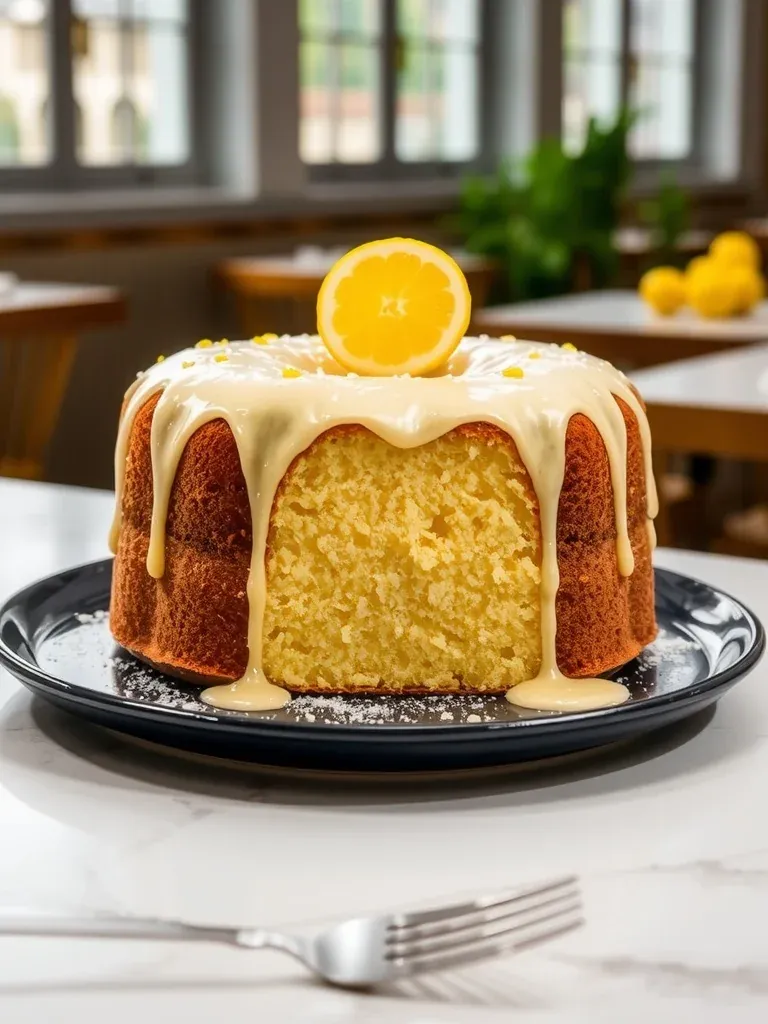
Honestly, there’s something comforting about a lemon pound cake that fills the kitchen with a soft, citrus perfume. I remember when my grandmother first brushed lemon zest over batter; the scent lingered like a memory. This version balances sweet butter with a gentle tang, so you can enjoy a slice with coffee or tea any time.
The essence of the dish
A buttery base with a bright lemon kiss, creating a balance that’s both comforting and uplifting.
A fun fact or historical angle
Pound cakes originally used a literal pound of each main ingredient; today we adjust for modern kitchens while honoring the tradition.
Flavor or sensory focus
The first bite offers a tender crumb, a hint of citrus perfume, and a lingering buttery finish.
You Must Know
- Use fresh lemon zest for true aroma
- Do not over‑mix the batter
- Cool in the pan briefly before turning out
These small steps make the difference between a dense loaf and a moist, fragrant cake. Even if you’re new to baking, the process feels forgiving. Take your time, enjoy the scent of lemon filling the kitchen, and remember that a little patience yields the best results.
The story behind it
The pound cake dates back to the 18th‑century England, originally defined by a pound each of butter, sugar, eggs, and flour. Over time, bakers added flavors, and lemon emerged as a beloved variation for its uplifting zest. This cake honors that tradition while keeping the crumb tender and the flavor bright, making it a timeless treat for today’s kitchen.
Why You'll Love It
- Moist texture that stays fresh
- Bright lemon flavor without being overpowering
- Simple ingredients you probably already have
- Perfect for holidays or everyday tea
- Easy to slice and serve
Tips for success
- Do not over‑mix after adding flour; it keeps the crumb tender.
- Room‑temperature eggs blend more evenly, preventing curdling.
- A light dusting of powdered sugar adds a finishing touch without extra sweetness.
Professional secrets
- Cream butter and sugar until pale for maximum air incorporation.
- Use buttermilk to add acidity that tenderizes gluten.
- Let the cake rest before slicing to finish the steam inside.
Common mistakes to avoid
- Over‑mixing the flour, leading to a dense texture.
- Using bottled lemon zest, which can taste bitter.
- Opening the oven door too early, causing a sunken top.
Substitutions
- Butter: Margarine or coconut oil. Margarine works but may alter flavor; coconut oil adds a faint coconut note.
- Buttermilk: Milk with 1 tbsp lemon juice. Let sit 5 minutes to curdle before using.
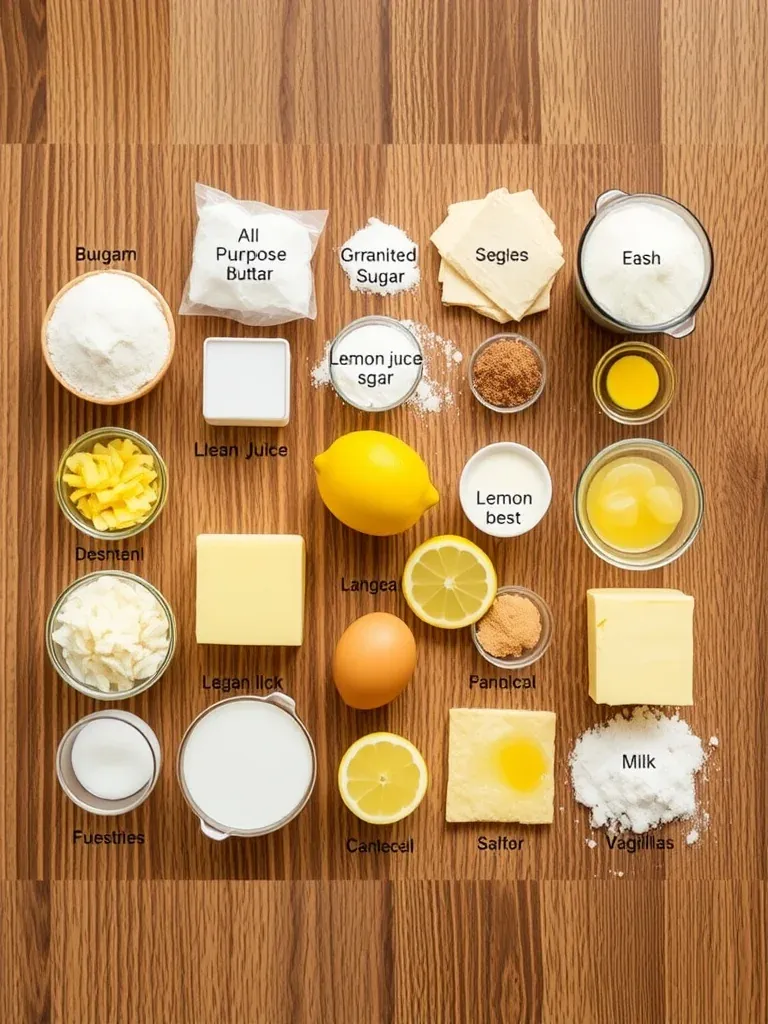
Variations
- Spicy Version: Add ½ tsp ground ginger and a pinch of cayenne for a subtle warmth.
- Mediterranean Style: Fold in zest orange and a handful of toasted pine nuts for a nutty twist.
Storage
Store in an airtight container at room temperature for up to four days; freeze slices for longer keeping.
Make ahead
You can bake the cake a day ahead and store it tightly wrapped; the flavor actually mellows beautifully.
Leftovers
Reheat a slice gently in a skillet with a pat of butter, or toast it for a crisp edge.
Serving ideas
- Serve slices warm with a dollop of lightly sweetened whipped cream.
- Pair with a scoop of vanilla ice cream for a dessert indulgence.
- Accompany with a fresh fruit salad for a light contrast.
- Garnish each slice with a thin slice of lemon and a sprig of mint.
Allergy information
Contains dairy, eggs, and gluten.
Moist Lemon Pound Cake
A buttery, citrus‑kissed pound cake that stays soft and fragrant, ideal for any gathering.
- Prep time
- 15 min
- Cook time
- 55 min
- Total time
- 1 h 10 min
- Difficulty
- Easy
- Cuisine
- American
Ingredients
Main Ingredients
Optional Glaze
Instructions
- 1
Preheat the oven to 325°F (165°C). Grease a 9‑inch loaf pan and line with parchment.
- 2
In a large bowl, cream butter and sugar together until light and fluffy, about 4‑5 minutes.
- 3
Add eggs one at a time, beating well after each, then stir in lemon zest and lemon juice.
- 4
In a separate bowl, whisk flour, baking powder, and salt. Add the dry mixture to the butter mixture in three additions, alternating with buttermilk, beginning and ending with flour.
- 5
Pour batter into the prepared pan, smooth the top, and bake for 55‑60 minutes, or until a toothpick comes out clean.
- 6
Let the cake cool in the pan for 10 minutes, then turn onto a wire rack. If using glaze, whisk powdered sugar with lemon juice and drizzle over the warm cake.
Nutrition per serving
- 380 kcal
- Calories
- 6 g
- Protein
- 48 g
- Carbs
- 18 g
- Fat
Tips & notes
- Make sure butter is fully softened for proper creaming. - Zest the lemon before juicing to keep zest dry. - If the top browns too quickly, tent with foil.
Frequently asked questions
Can I use lemon extract instead of zest?
Yes, but fresh zest offers a brighter, more natural flavor that extract can’t fully replicate.
How long will the cake stay fresh?
Wrapped tightly, it stays moist for up to four days at room temperature.
Could I add poppy seeds?
Certainly—add a tablespoon with the flour for a subtle crunch.
Is this cake gluten‑free?
Swap the all‑purpose flour for a gluten‑free blend; the texture remains lovely.
Can I make a smaller loaf?
Yes—use a 6‑inch loaf pan and reduce baking time by about 10 minutes.
What pairs well with this cake?
A cup of Earl Grey tea or a light drizzle of whipped cream complements the lemon.

Amelia Hart
Chef Amelia Hart is a dessert enthusiast who loves creating elegant cakes, cookies, and baked treats. Her baking style combines classic pastry techniques with creative flavor combinations. Amelia believes that desserts…