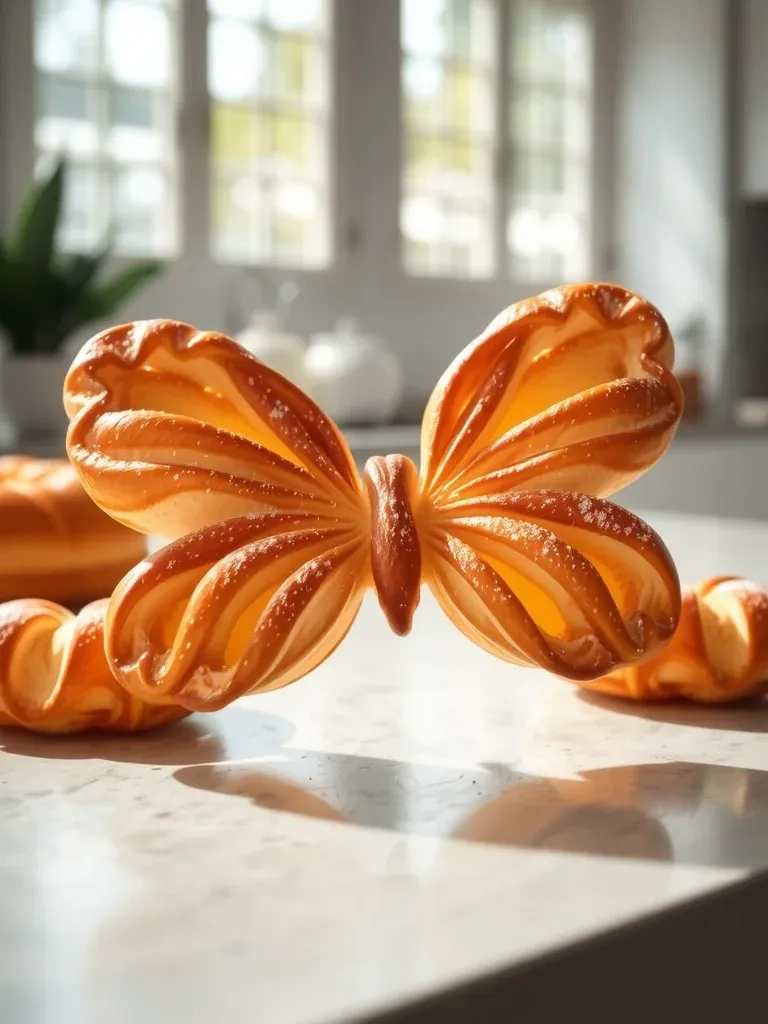
Honestly, when I first rolled out puff pastry for these little butterflies, the kitchen filled with a soft, buttery scent that reminded me of Sunday mornings. Yeah, it’s that calm. I love how the sugar caramelizes, giving each bite a whisper of crunch and sweet melt.
The essence of the dish
A buttery, caramelized pastry that folds into airy, crispy swirls, each bite offering a gentle snap followed by melt‑in‑your‑mouth softness.
A fun fact or historical angle
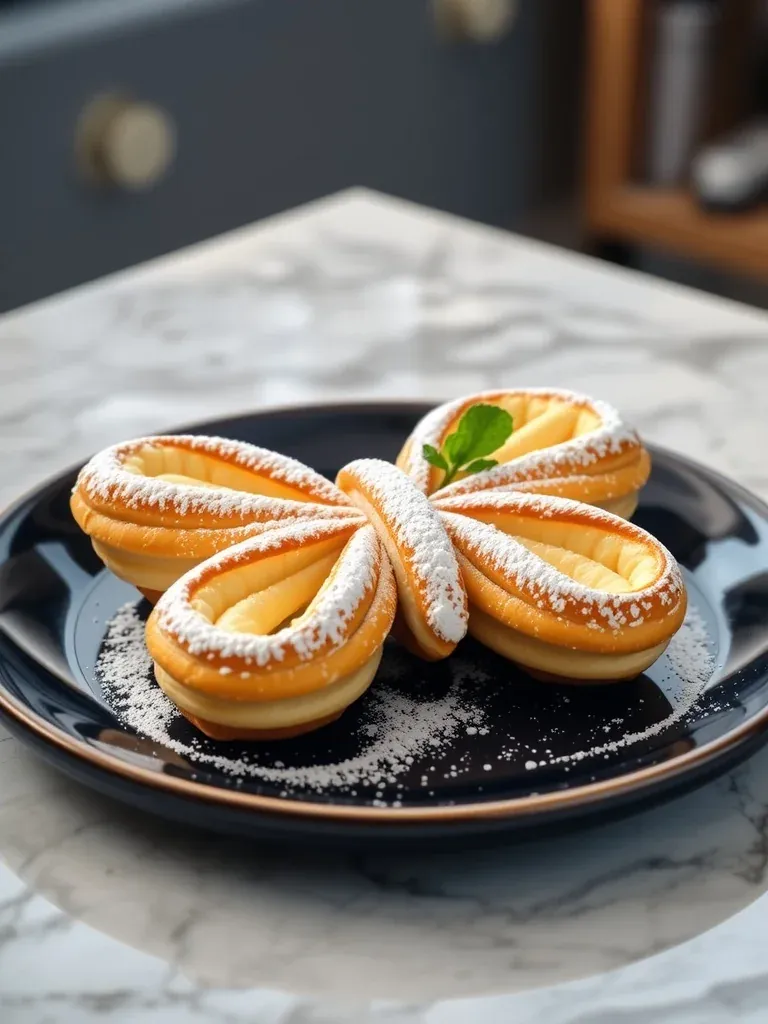
The word "palmier" is French for "butterfly," reflecting the pastry’s graceful, wing‑like shape that has delighted bakers since the 1800s.
Flavor or sensory focus
You’ll notice a sweet, buttery aroma, a faint hint of vanilla, and a subtle crunch that gives way to a soft, melt‑away interior.
You Must Know
- Work quickly to keep butter from melting.
- Even pressure when rolling prevents uneven layers.
- Cold butter equals flakier pastry.
Ugh, I once tried to rush the rolling, and the layers merged into a flat sheet—no butterflies then! Taking small, steady rolls makes a world of difference. And remember, the sugar should be a gentle dust, not a heavy coating. With these little attentions, you’ll achieve that classic, airy texture that feels like a small celebration in every bite.
The story behind it
Palmiers trace their roots to French bakeries of the 19th century, where they were originally called "elephants ears" because of their shape. Over time, the elegant spirals earned the nickname "butterflies" for their delicate, wing‑like curls. This classic pastry has traveled from Parisian cafés to family tables worldwide, retaining its simple elegance and comforting flavor.
Why You'll Love It
- Simple ingredients that you likely already have
- Quick to assemble, perfect for a spontaneous snack
- The caramelized sugar adds a gentle crunch
- Elegant butterfly shape makes any occasion feel special
Tips for success
- Don’t overload the pastry with butter; a thin coat keeps layers separate.
- Cool the rolled log before slicing for clean, even pieces.
- Watch the edges closely; they caramelize faster than the centers.
Professional secrets
- Room temperature butter ensures even coating without melting the dough.
- High oven heat creates a quick puff, locking in flaky layers.
- Cooling on a wire rack lets steam escape, preserving crunch.
Common mistakes to avoid
- Over‑buttering the dough, leading to soggy layers.
- Slicing too thick; palmiers become doughy inside.
- Baking at too low temperature; they won’t caramelize properly.
Substitutions
- Puff pastry: Homemade pastry dough. Ensure layers are rolled thin to mimic store‑bought flakiness.
- Granulated sugar: Coconut sugar. Gives a slightly caramel note; use the same amount.
Variations
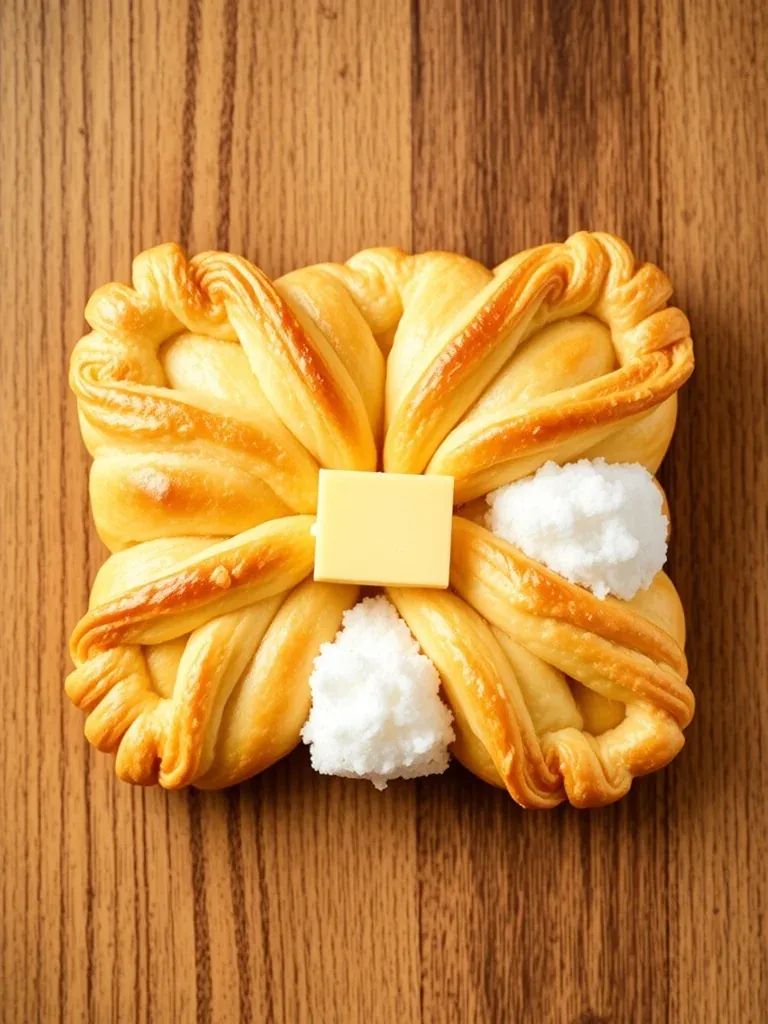
- Spicy Version: Add a pinch of cayenne pepper to the sugar for a subtle heat.
- Mediterranean Style: Mix finely chopped toasted almonds into the sugar coating for extra crunch.
Storage
Store in an airtight container at room temperature for up to three days; re‑crisp briefly in the oven before serving.
Make ahead
Shape the palmiers, place on a baking sheet, and freeze for up to 24 hours before baking.
Leftovers
Reheat gently in a 300°F oven for 5 minutes to restore crispness.
Serving ideas
- Plate a handful on a decorative platter with a dusting of powdered sugar.
- Serve alongside a small bowl of fresh berries for color contrast.
- Pair with a cup of herbal tea for a relaxed afternoon snack.
- Garnish with a light drizzle of honey for extra sweetness.
Allergy information
Contains gluten, dairy (butter), and sugar.
Palmiers Butterfly Recipe
A buttery, flaky pastry that curls into butterfly shapes, ideal for a simple, sweet treat.
- Prep time
- 15 min
- Cook time
- 20 min
- Total time
- 35 min
- Difficulty
- Easy
- Cuisine
- French
Ingredients
Main Ingredients
Optional Glaze
Instructions
- 1
Preheat the oven to 375°F (190°C). Line a baking sheet with parchment paper.
- 2
On a lightly floured surface, roll the puff pastry into a 12‑inch square. Brush the surface with softened butter.
- 3
Mix granulated sugar and cinnamon (if using); sprinkle evenly over the buttered pastry.
- 4
Starting from one edge, roll the dough tightly into a log; press gently to seal.
- 5
Chill the log for 5 minutes, then slice into ½‑inch thick rounds.
- 6
Place the rounds on the prepared sheet, spacing a little apart. Sprinkle a pinch of sea salt on each.
- 7
Bake for 12‑15 minutes, until golden and caramelized. Rotate the sheet halfway through.
- 8
Cool on a wire rack. If desired, drizzle a simple glaze made from powdered sugar and a splash of liquid.
Nutrition per serving
- 210 kcal
- Calories
- 3 g
- Protein
- 24 g
- Carbs
- 12 g
- Fat
Tips & notes
- If the butter melts too quickly, chill the dough for a few more minutes. - A light dusting of sugar prevents sticking and adds a sweet crust. - For a richer flavor, substitute half the butter with clarified butter.
Frequently asked questions
Can I make palmiers ahead of time?
Yes, you can shape and freeze them on a tray, then bake from frozen, adding a few extra minutes.
What if I don’t have puff pastry?
You can make a simple homemade puff pastry, but the store‑bought version saves time and still delivers great flakiness.
How do I keep them from getting soggy?
Store in a single layer, airtight container; add a paper towel at the bottom to absorb any moisture.
Can I add toppings?
Absolutely—sprinkle toasted almond slivers or a drizzle of melted chocolate after baking for extra texture.
Are these suitable for gluten‑free diets?
Use gluten‑free puff pastry alternatives; the method remains the same.
How long will they stay fresh?
Stored properly, they stay crisp for up to three days; re‑crisp in a 300°F oven for 3‑5 minutes.

Amelia Hart
Chef Amelia Hart is a dessert enthusiast who loves creating elegant cakes, cookies, and baked treats. Her baking style combines classic pastry techniques with creative flavor combinations. Amelia believes that desserts…