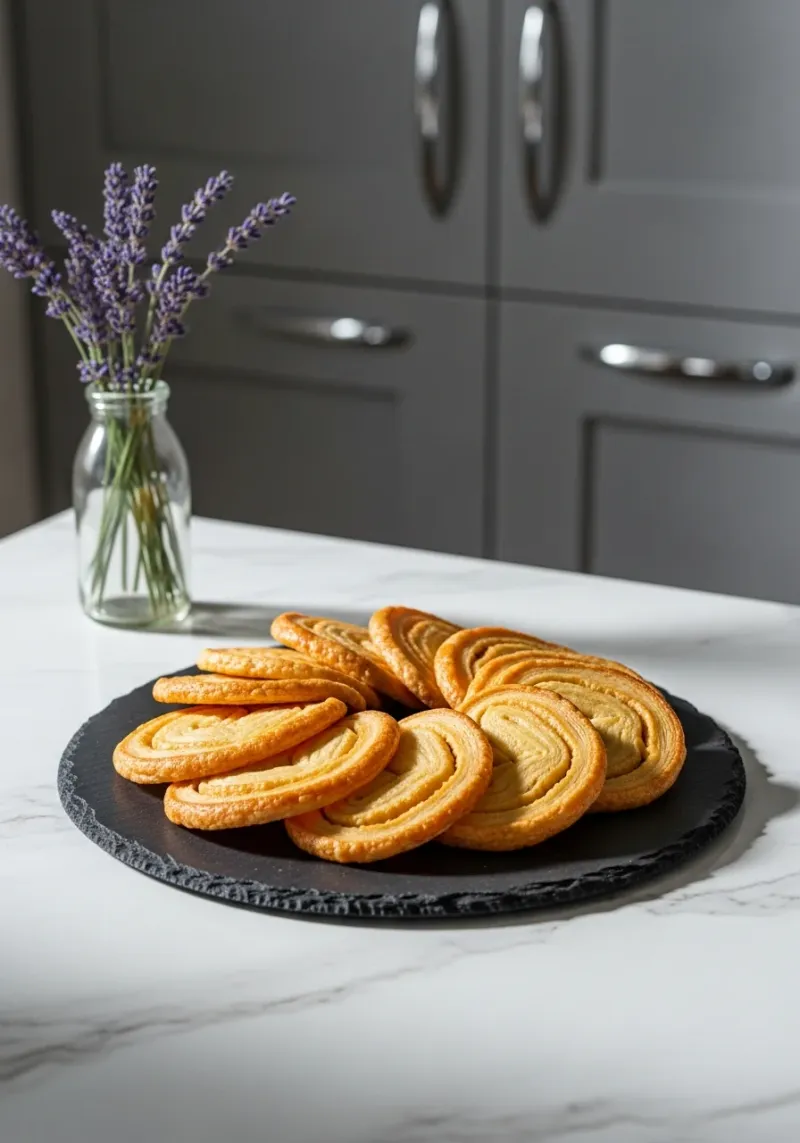
Honestly, there’s something magical about folding butter into dough, letting it rest, and watching it transform into those graceful, leaf‑shaped cookies. Yeah, I love the gentle snap as you bite into a palmer.
The essence of the dish
It’s the buttery dough, rolled thin, folded, and baked until the edges turn golden, delivering a caramel‑kissed crunch that melts on the tongue.
A fun fact or historical angle
In 19th‑century Paris, pâtissiers named these pastries "palmiers" because their shape resembled the fronds of a palm tree.
Flavor or sensory focus
The first bite offers a crisp snap, followed by a tender, buttery melt, and a whisper of lemon that lifts the sweetness.
You Must Know
- Chill the dough between folds to keep layers distinct.
- Don’t over‑bake; the cookies should be light amber, not dark.
- A pinch of sea salt on top amplifies the caramel notes.
I’ve seen beginners rush the folding stage and end up with dense cookies. Take your time, let the dough rest, and you’ll be rewarded with those iconic, leaf‑like layers. The result feels like a tiny, edible memory of a quiet afternoon in a French bakery.
The story behind it
Palmiers trace their origins to the elegant French patisseries of the 19th century, where they were known as "palm leaves" because the rolled dough resembled a tropical frond. Over time, the treat traveled across Europe and into home kitchens, becoming a beloved staple for its simplicity and buttery texture.
Why You'll Love It
- Minimal ingredients, maximum flavor
- Quick to assemble, no fancy equipment needed
- Perfect balance of crisp and melt‑in‑your‑mouth butter
- Versatile: enjoy plain or dust with espresso powder
Tips for success
- Keep the dough cold; warm butter will blend and lose layers.
- Slice uniformly so each palm bakes evenly.
- Rotate the sheet halfway through baking for consistent color.
Professional secrets
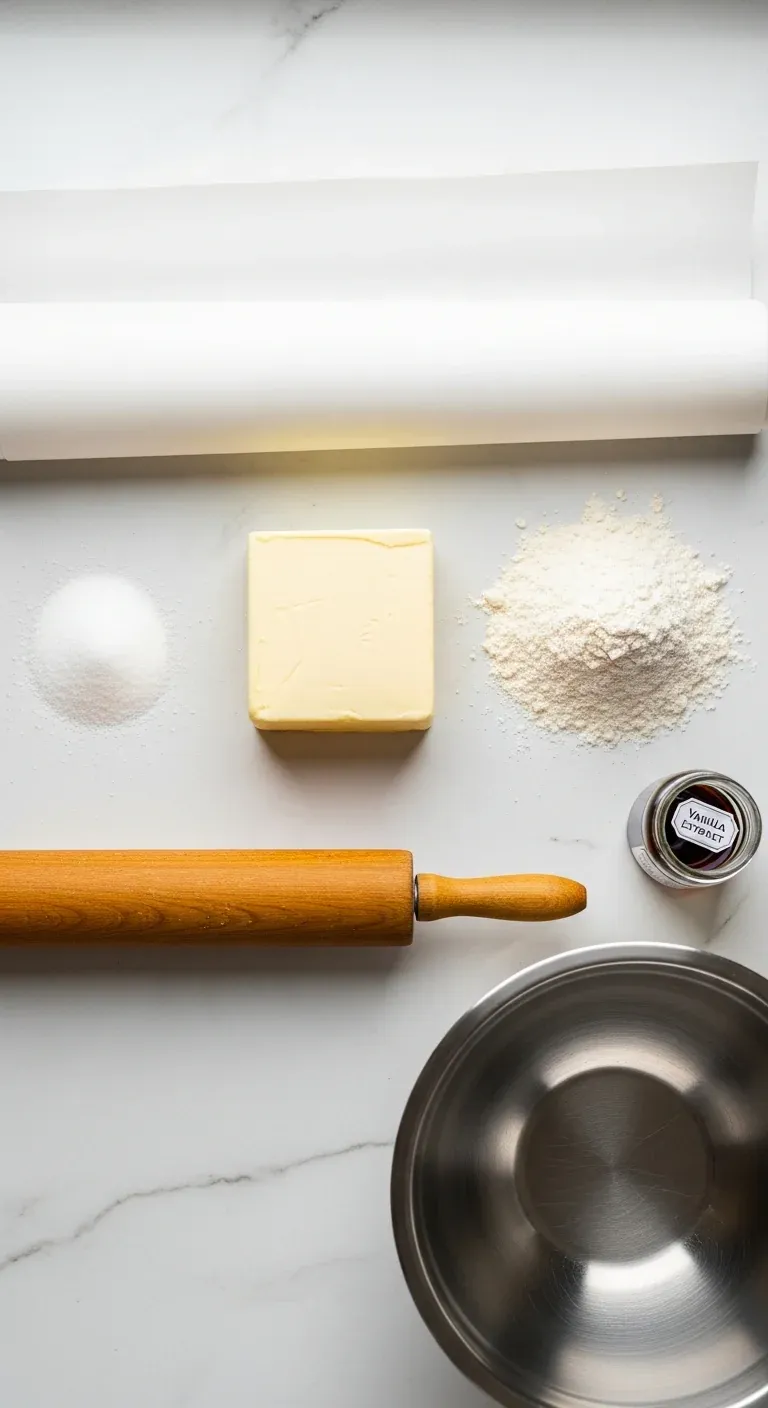
- Use a light dusting of flour on the work surface to prevent sticking without adding excess flour.
- Cold butter creates steam pockets that puff the layers.
- Allow the cookies to rest on a metal rack; the metal conducts residual heat, enhancing crispness.
Common mistakes to avoid
- Over‑working the dough, which melts butter and eliminates layers.
- Cutting slices too thick, leading to uneven baking.
- Baking at too high a temperature, causing the edges to burn before the center cooks.
Substitutions
- Unsalted butter: Margarine (ensure it’s a high‑fat version). Flavor will be less rich; consider adding a touch more vanilla.
- All‑purpose flour: Cake flour. Creates an even lighter texture but may require a slightly longer chilling time.
Variations
- Spicy Version: Add a pinch of cayenne pepper to the sugar before sprinkling for a subtle heat.
- Mediterranean Style: Mix finely chopped rosemary into the dough and finish with a drizzle of olive oil after baking.
Storage
Store in an airtight tin at room temperature; layer parchment between layers to keep them from sticking.
Make ahead
The dough can be prepared up to 2 days ahead; wrap tightly and keep chilled. Slice and bake when needed.
Leftovers
Re‑heat gently in a 300 °F (150 °C) oven for 5 minutes to revive crispness.
Serving ideas
- Serve on a decorative platter with a few fresh mint leaves.
- Pair with a simple vanilla custard for a classic French tea treat.
- Add a side of fresh raspberries for color and tart contrast.
- Garnish with a dusting of cinnamon sugar for a warm spice hint.
Allergy information
Contains dairy and gluten.
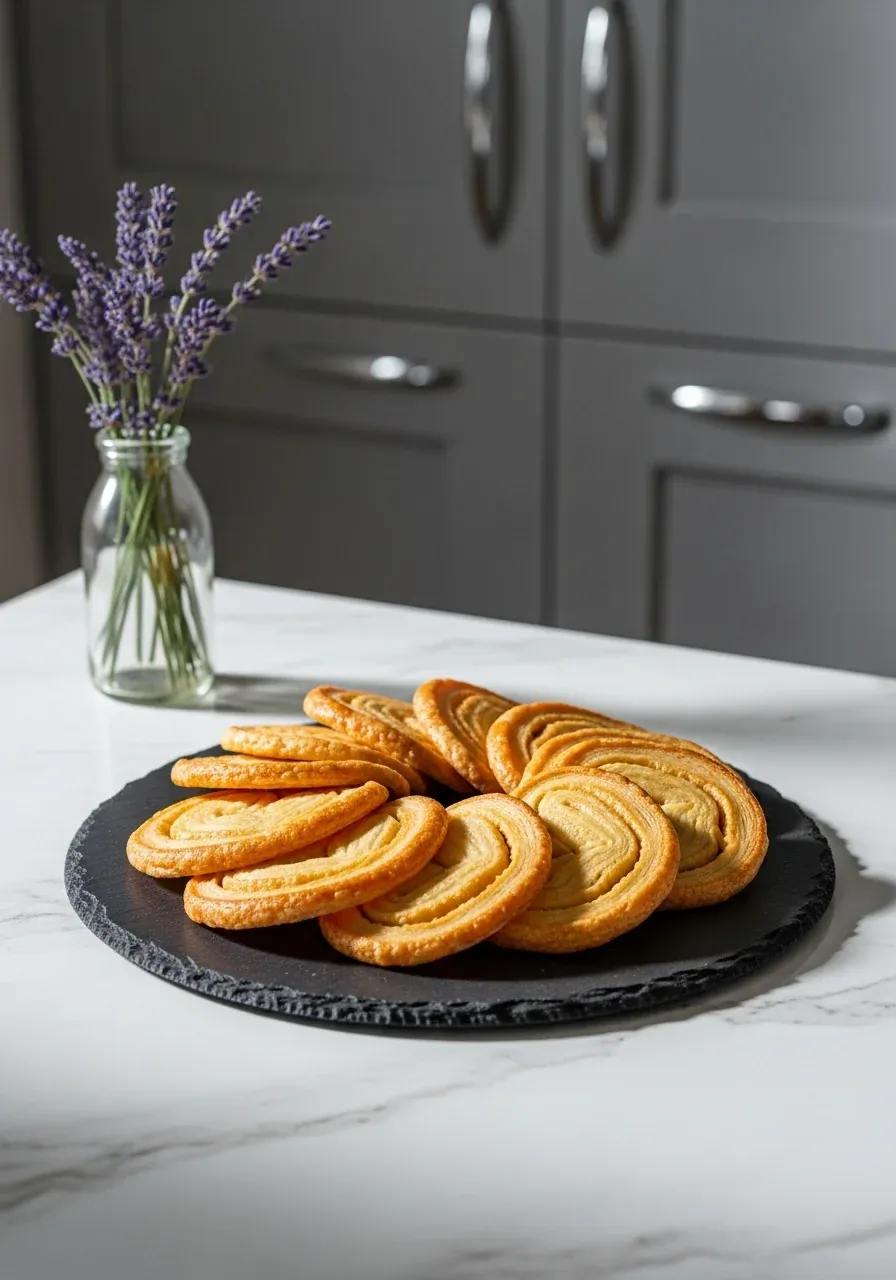
Palmiers – Crispy Butter Cookie Recipe
A simple, buttery pastry that turns into delicate, caramel‑kissed cookies with minimal effort.
- Prep time
- 20 min
- Cook time
- 15 min
- Total time
- 35 min
- Difficulty
- Easy
- Cuisine
- French
Ingredients
Dough
Instructions
- 1
In a large bowl, combine the cold butter cubes, sugar, vanilla, lemon zest, and salt. Using your fingertips, rub the butter into the sugar until the mixture resembles coarse crumbs.
- 2
Add the sifted flour and stir gently until the dough just comes together; avoid over‑mixing.
- 3
Form the dough into a rough rectangle, wrap in plastic, and chill for 20 minutes.
- 4
On a lightly floured surface, roll the dough into a 1‑inch thick rectangle. Fold the top third down, then fold the bottom third up, like a letter. Rotate 90°, roll out again, and repeat the fold. Chill for another 15 minutes. Repeat this roll‑fold process two more times, chilling between each turn.
- 5
Wrap the final rolled log, chill for at least 30 minutes. Preheat the oven to 375 °F (190 °C). Slice the log into 1/8‑inch sticks, place on a parchment‑lined sheet, and sprinkle lightly with extra sugar.
- 6
Bake for 12‑15 minutes, until the edges turn a gentle amber. Let cool on the sheet for 5 minutes, then transfer to a wire rack to finish crisping.
Nutrition per serving
- 210 kcal
- Calories
- 2 g
- Protein
- 26 g
- Carbs
- 11 g
- Fat
Tips & notes
- If the dough feels too soft, return it to the fridge for a few minutes before slicing. - A pinch of flaky sea salt added just after baking elevates the caramel flavor. - For a festive twist, drizzle melted chocolate over cooled palmiers and let set.
Frequently asked questions
Can I use puff pastry instead of homemade dough?
Yes, puff pastry will give a similar flaky texture, but the buttery flavor may be less pronounced.
How long can the palmiers be stored?
Keep them in an airtight container at room temperature for up to one week; they stay crisp.
Can I add nuts or spices?
Feel free to sprinkle finely chopped almonds or a pinch of cinnamon on the slices before baking.
Do I need to refrigerate the dough after each fold?
A short chill (15‑20 minutes) between folds helps maintain the butter layers and prevents sticking.
What if the dough sticks to the rolling pin?
Lightly dust the pin and the work surface with flour, and keep the dough cold.
Can these be frozen?
Yes, freeze the unbaked slices on a tray, then transfer to a zip bag; bake from frozen, adding an extra minute.

Amelia Hart
Chef Amelia Hart is a dessert enthusiast who loves creating elegant cakes, cookies, and baked treats. Her baking style combines classic pastry techniques with creative flavor combinations. Amelia believes that desserts…