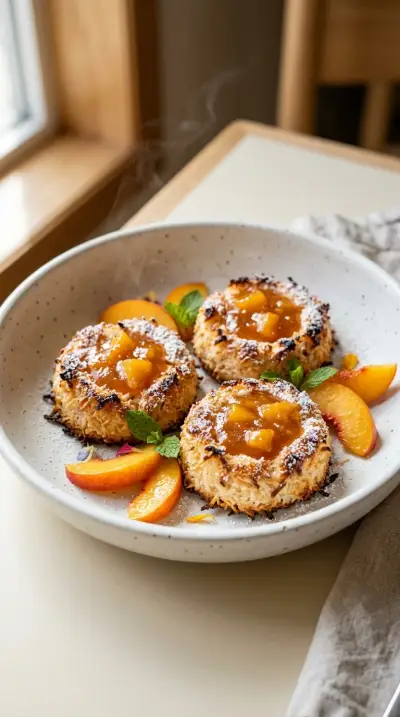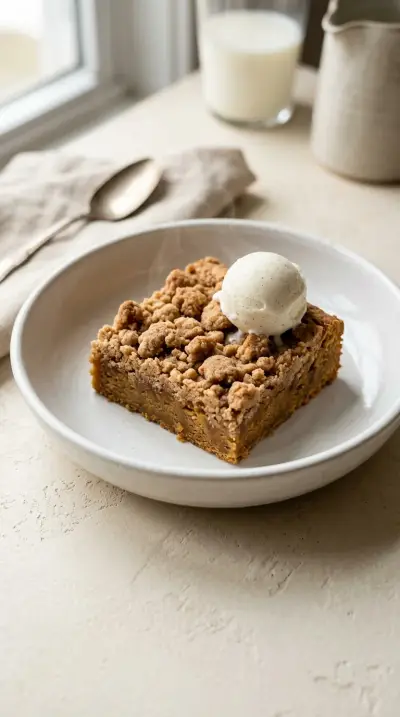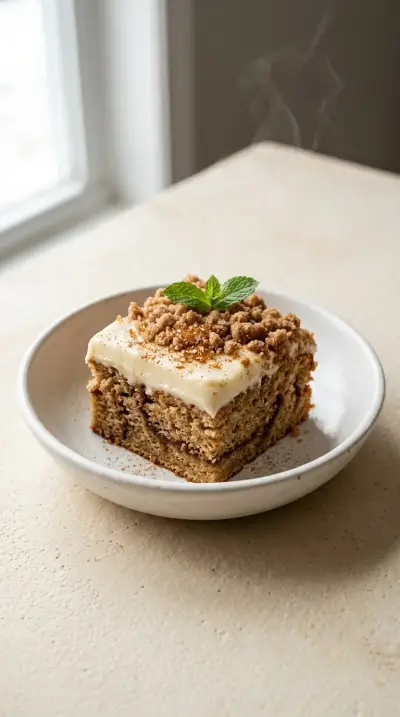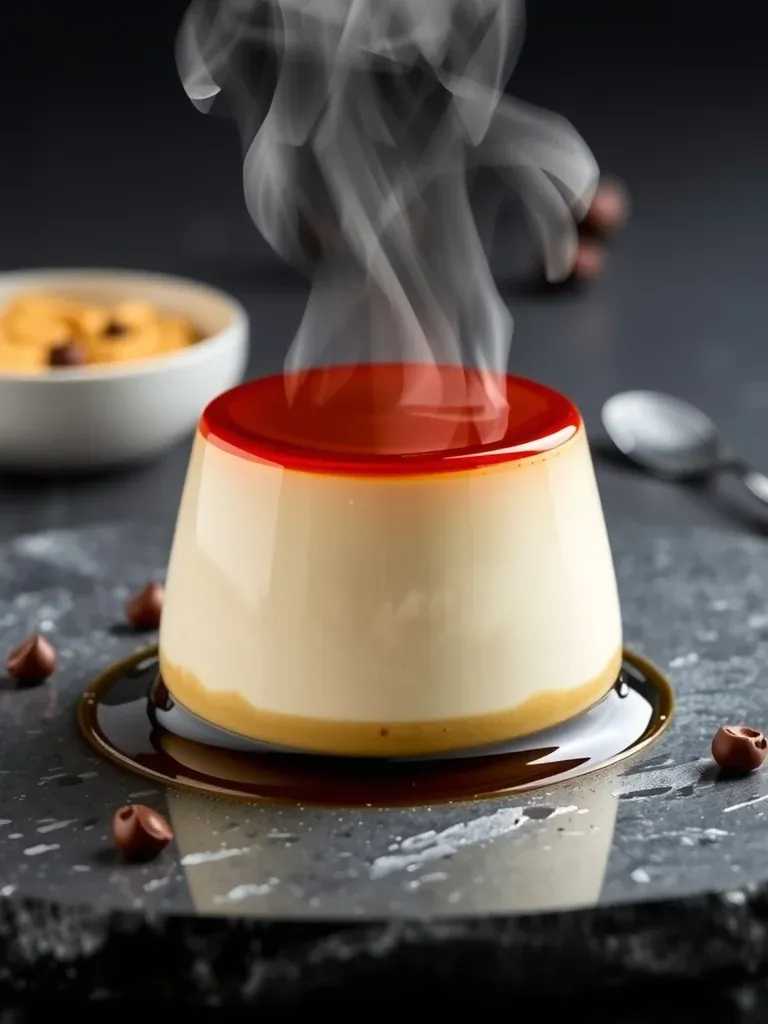
I remember the first time I tried panna cotta at a little trattoria in Florence—wow, the creaminess was like a gentle hug. Since then, I’ve made this at home many times, and each batch feels like a quiet celebration. So, let’s whisk together milk, cream, and vanilla, then let it set into a delicate custard that holds the memory of that first bite.
The essence of the dish
It’s the balance of cream and vanilla, a whisper of sweetness, and the graceful wobble of gelatin that defines panna cotta.
A fun fact or historical angle
In the 1800s, Italian chefs used panna cotta to showcase fresh dairy from mountain farms, serving it at village festivals.
Flavor or sensory focus
The palate first meets a cool, buttery silk, followed by the fragrant warmth of vanilla that lingers just a moment.
You Must Know
- Gelatin must be fully bloomed for even setting
- Do not boil the cream after adding gelatin
- Serve chilled for the best texture
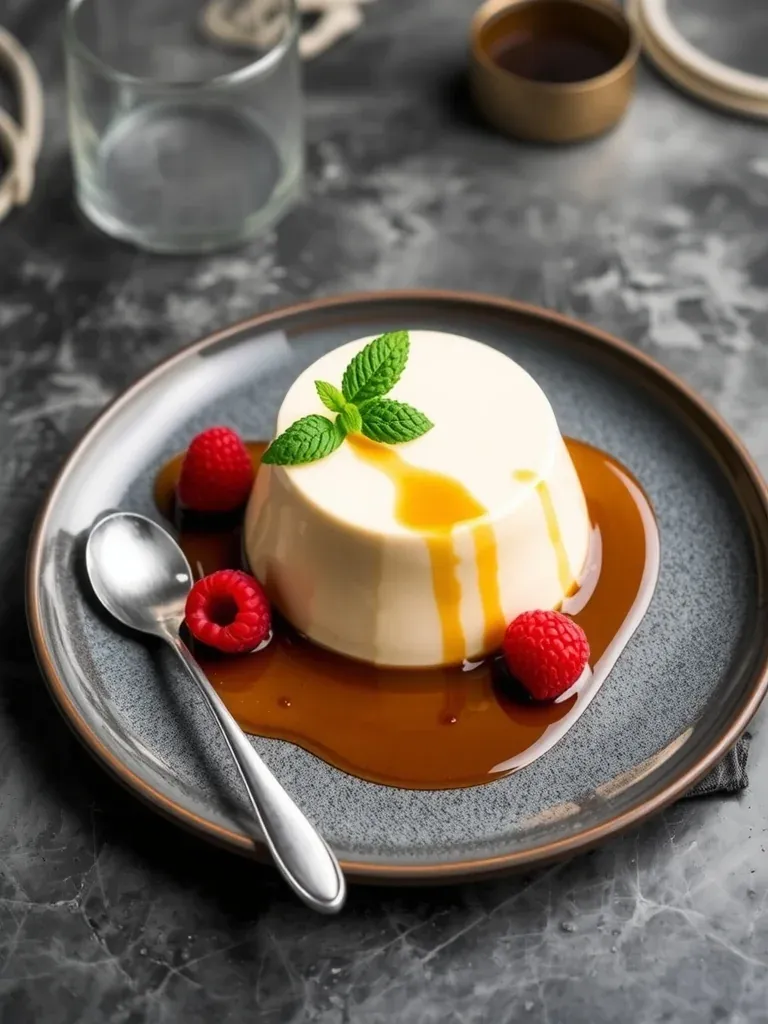
Remember, the dessert is forgiving, but over‑cooking the gelatin can make it rubbery. I always let the mixture cool to room temperature before pouring, which prevents a surface film. And yes, a simple fruit coulis can add a bright contrast without stealing the show.
The story behind it
The origins of panna cotta trace back to the northern Italian region of Piedmont, where farmers blended fresh cream with gelatin to create a simple, dairy‑rich dessert that could be set without fire. Over centuries it became a canvas for flavors, from citrus to coffee. Today, its understated elegance makes it a favorite in modern kitchens, offering a taste of tradition with a whisper of contemporary flair.
Why You'll Love It
- Minimal ingredients, maximum comfort
- Silky texture that feels luxurious
- Versatile base for fruit or chocolate toppings
- Easy to make ahead, perfect for stress‑free entertaining
Tips for success
- Don’t over‑heat the cream; a gentle simmer is enough.
- Let the gelatin dissolve completely to avoid grainy pockets.
- Cool the mixture slightly before pouring to prevent condensation on the surface.
Professional secrets
- Bloom gelatin in cold water for even hydration.
- Use a vanilla bean for specks that add visual appeal.
- Chill in a single layer to ensure uniform setting.
Common mistakes to avoid
- Over‑boiling the cream, which can cause a grainy texture.
- Not fully dissolving gelatin, leading to pockets.
- Serving too soon before the custard is set.
Substitutions
- Heavy cream: Coconut cream (for dairy‑free version). Coconut cream gives a tropical note and a slightly firmer set.
- Gelatin: Agar‑agar. Use 1 teaspoon agar‑agar; set time will be quicker and texture a bit firmer.
Variations
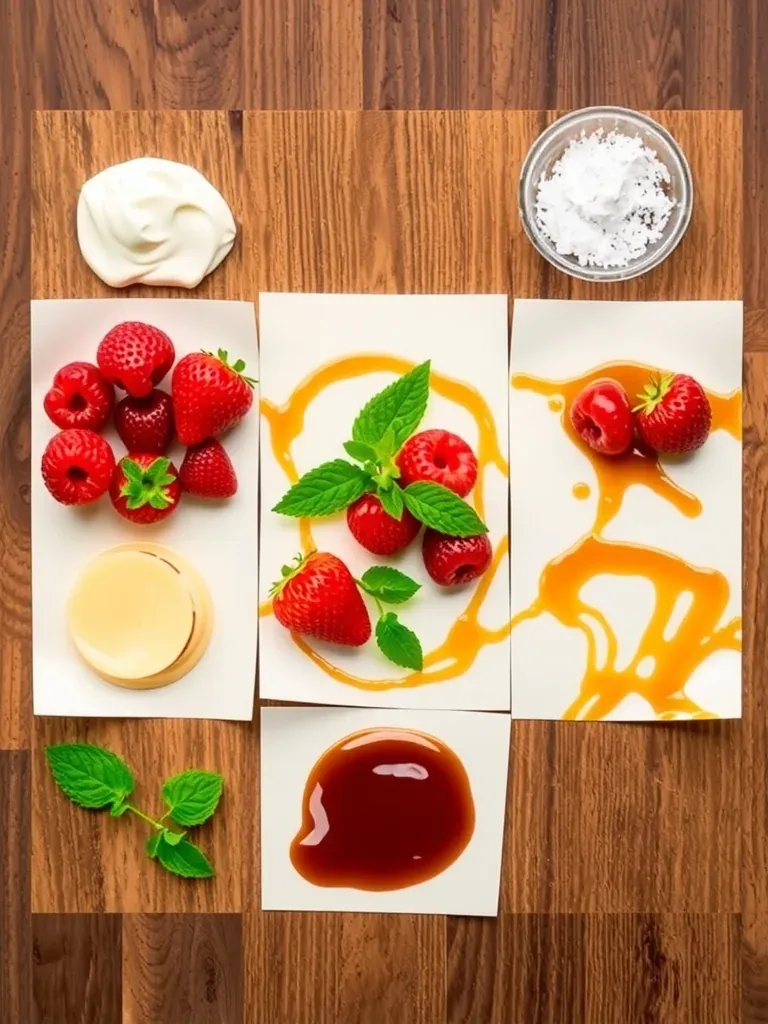
- Spicy Version: Add a pinch of ground cardamom or a dash of orange bitters for a subtle warmth.
- Mediterranean Style: Stir in a spoonful of honey and top with toasted pistachios and a drizzle of olive oil.
Storage
Cover the ramekins and store in the refrigerator for up to 3 days.
Make ahead
You can prepare the panna cotta mixture and pour into ramekins up to 24 hours ahead; keep refrigerated until serving.
Leftovers
Reheat gently in a saucepan over low heat if you want a warm sauce, or enjoy cold as a dessert.
Serving ideas
- Serve in clear glass cups to showcase the smooth surface.
- Add a spoonful of fresh berry compote beside each serving.
- Pair with a crisp glass of Prosecco or sparkling water with a slice of lemon.
- Garnish with a single mint leaf for a pop of color.
Allergy information
Contains dairy and gelatin.
Panna Cotta Recipe - Creamy Italian Dessert
A silky vanilla panna cotta that’s simple, elegant, and perfect for any occasion.
- Prep time
- 15 min
- Cook time
- 10 min
- Total time
- 25 min
- Difficulty
- Easy
- Cuisine
- Italian
Ingredients
Base
Optional Topping
Instructions
- 1
In a small bowl, sprinkle the gelatin over 3 tbsp cold water and let it bloom for 5 minutes.
- 2
Combine cream, milk, and sugar in a saucepan; heat over medium until the sugar dissolves and the mixture just begins to steam.
- 3
Add the vanilla bean seeds (or extract) and stir; remove from heat.
- 4
Stir the bloomed gelatin into the warm cream until fully dissolved, then pour the mixture through a fine sieve into ramekins.
- 5
Let the ramekins cool to room temperature, then refrigerate for at least 4 hours or overnight.
- 6
When ready to serve, top with fresh berries drizzled with honey and a hint of lemon zest.
Nutrition per serving
- 320 kcal
- Calories
- 4 g
- Protein
- 18 g
- Carbs
- 22 g
- Fat
Tips & notes
- If using a vanilla bean, scrape both seeds and pod for maximum flavor. - Avoid a rapid boil; high heat can cause the cream to separate. - For a clearer finish, strain the mixture twice before pouring.
Frequently asked questions
Can I make panna cotta ahead of time?
Absolutely, it actually improves after a night in the fridge, allowing flavors to meld.
What if I don’t have gelatin?
You can substitute agar‑agar, but use about one‑third the amount and follow the package instructions.
How do I unmold the panna cotta?
Run a thin knife around the edge, dip the mold briefly in warm water, then invert onto a plate.
Can I use low‑fat milk?
You can, but the texture will be less rich; consider adding a touch more cream.
What toppings work best?
Fresh berries, citrus zest, caramel drizzle, or a light chocolate ganache are all lovely.
Is panna cotta gluten‑free?
Yes, as long as you use gluten‑free gelatin and avoid any added flour or starch.

Amelia Hart
Chef Amelia Hart is a dessert enthusiast who loves creating elegant cakes, cookies, and baked treats. Her baking style combines classic pastry techniques with creative flavor combinations. Amelia believes that desserts…