Honestly, when I first smelled the sharp, sweet scent of rhubarb simmering on a chilly autumn afternoon, I thought, wow, this could be something special. So, I tried layering that tangy fruit over a classic shortbread base, and the result was a bar that feels like a warm hug, with a little pink surprise in every bite. I remember when my daughter whispered, “Mom, these taste like spring,” and I just smiled, feeling that quiet pride of a home cook.
The essence of the dish
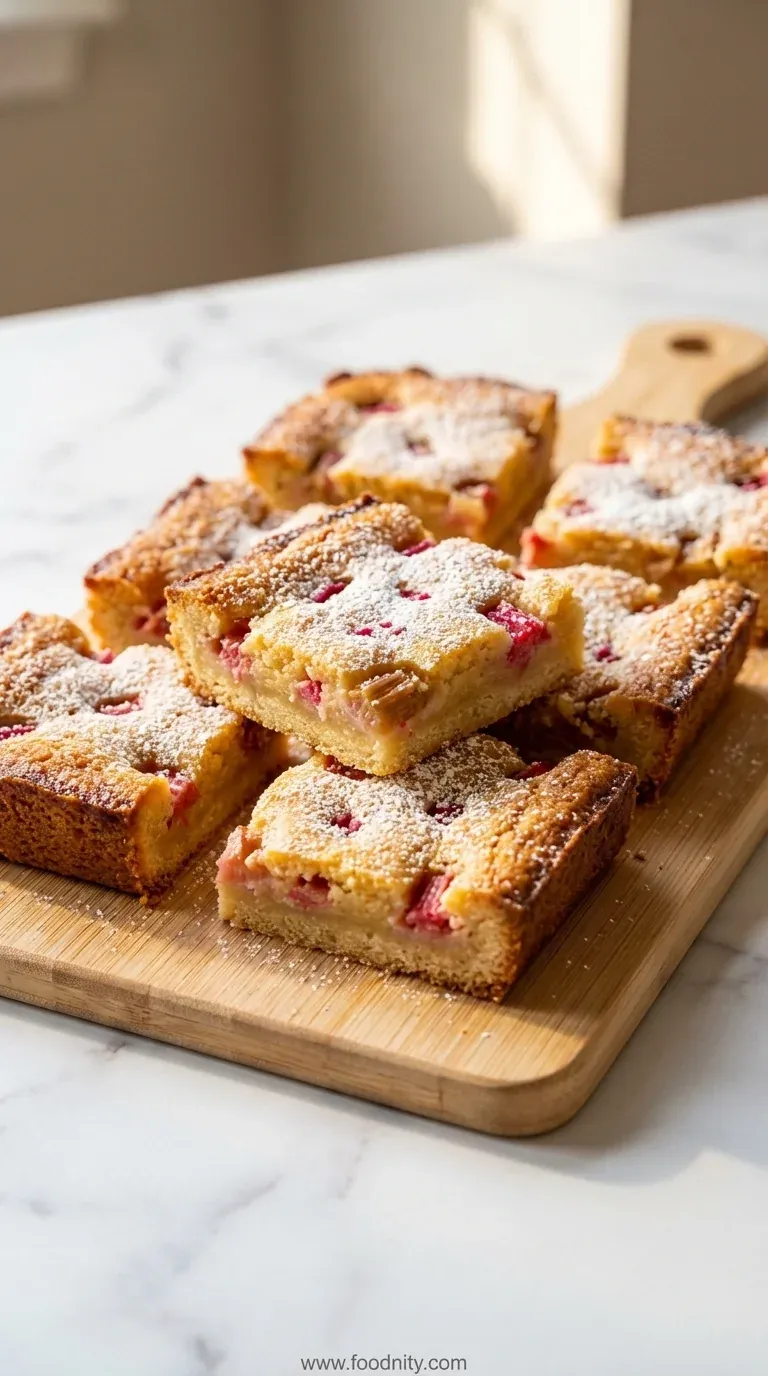
What makes these bars special is the marriage of a buttery, melt‑in‑your‑mouth shortbread with a bright, slightly tangy rhubarb topping that glazes the surface like a sweet sunrise.
A fun fact or historical angle
Rhubarb was once called "pie plant" in the 1800s because it was a staple in rural kitchens, often combined with sugar to offset its sourness.
Flavor or sensory focus
The first bite offers a crisp, buttery edge that quickly gives way to the soft, ruby‑red rhubarb, releasing a gentle tartness and a whisper of vanilla.
You Must Know
- Use fresh rhubarb for the best color and flavor
- Do not over‑bake the shortbread; it should stay pale gold
- Allow the topping to cool before slicing
These little reminders keep the bars from turning dry or overly sweet. I always let the pan sit for a few minutes after pulling it from the oven; the scent of butter and rhubarb fills the kitchen, and that pause feels like a quiet sigh of satisfaction.
The story behind it
Rhubarb, once a humble garden plant prized for its tart flavor in Victorian desserts, has journeyed from the countryside to modern bakeries worldwide. Its bright color and sharp taste made it a favorite for pies, crumbles, and now, these shortbread bars. The tradition of pairing rhubarb with buttery dough dates back to early English cookbooks, where the contrast of sweet and sour was celebrated. This recipe honors that heritage while keeping preparation effortless for today’s busy kitchens.
Why You'll Love It
- Simple ingredients you probably already have
- No fancy equipment needed, just a pan and a baking sheet
- The rhubarb topping gives a bright, refreshing contrast
- Holds up well for make‑ahead or picnics
Tips for success
- Don’t over‑mix the dough; a few lumps are okay.
- Let the shortbread set before topping to avoid soggy edges.
- Taste the rhubarb mixture and adjust sugar if the tartness is too strong.
Professional secrets
- Use room‑temperature butter for even creaming.
- Bake the crust on the middle rack for uniform heat.
- Brush the topping with a bit of butter for a glossy finish.
Common mistakes to avoid
- Over‑mixing the dough, which can make the crust tough.
- Baking the crust too long; it should stay light gold.
- Adding too much sugar to the rhubarb, masking its natural tartness.
Substitutions
- All‑purpose flour: Whole‑wheat flour. Will give a nuttier flavor and denser texture.
- Butter: Margarine or coconut oil. Coconut oil adds a subtle tropical aroma.
Variations
- Spicy Version: Add a pinch of cayenne and a drizzle of honey for a sweet‑heat twist.
- Mediterranean Style: Fold in chopped pistachios and a hint of orange zest for a bright Mediterranean note.
Storage
Store in an airtight container at room temperature for up to three days, or freeze for up to one month.
Make ahead
You can bake the shortbread crust a day ahead, store it covered, then add the rhubarb topping and bake shortly before serving.
Leftovers
Reheat gently in a low oven (300°F) for 5 minutes; the bars regain their softness.
Serving ideas
- Serve the bars on a rustic wooden board with a tea towel.
- Pair with a dollop of lightly sweetened whipped cream.
- Garnish each bar with a tiny sprig of mint for color.
- Offer alongside a small bowl of fresh berries for contrast.
Allergy information
Contains dairy (butter) and gluten (flour).
Rhubarb Shortbread Bars – Buttery, Best Recipe
Buttery shortbread topped with tangy rhubarb – easy to make, delightfully sweet‑tart, and perfect for any time of day.
- Prep time
- 15 min
- Cook time
- 25 min
- Total time
- 40 min
- Difficulty
- Easy
- Cuisine
- American
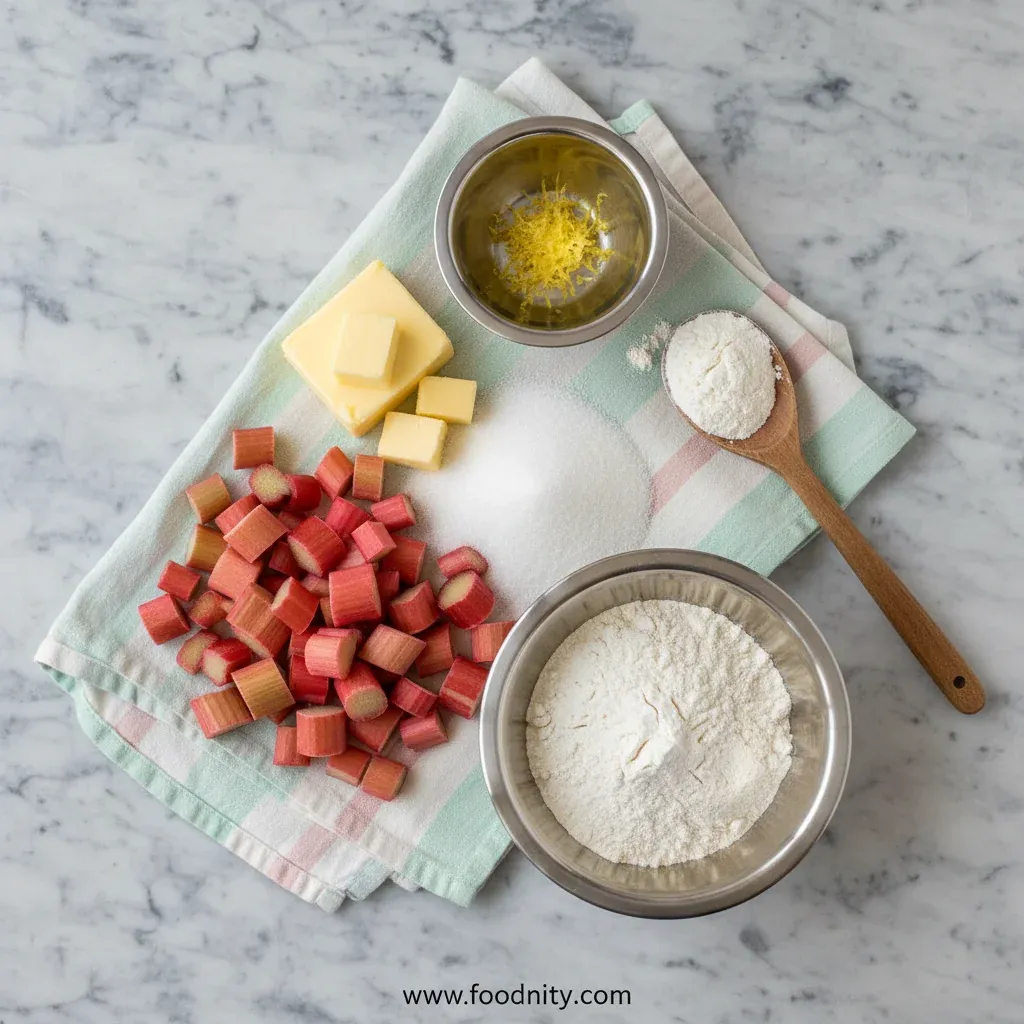
Ingredients
Shortbread Base
Rhubarb Topping
Instructions
- 1
Preheat the oven to 350°F (175°C). In a bowl, cream the softened butter with sugar until light and fluffy; add vanilla, then stir in flour and salt until a crumbly dough forms.
- 2
Press the dough evenly into a greased 9×13‑inch baking pan, flatten with the back of a spoon, and bake for 12‑15 minutes, just until the edges turn a pale golden hue.
- 3
While the crust bakes, combine sliced rhubarb, sugar, lemon juice, and melted butter in a saucepan; cook over medium heat, stirring gently, until the rhubarb softens and the mixture becomes glossy, about 5‑7 minutes.
- 4
Remove the crust from the oven, spread the warm rhubarb mixture over the top, and return to the oven for another 8‑10 minutes, allowing the topping to set.
- 5
Allow the bars to cool in the pan for 10 minutes, then slice into squares or bars; dust with powdered sugar if desired.
Nutrition per serving
- 210 kcal
- Calories
- 2 g
- Protein
- 26 g
- Carbs
- 11 g
- Fat
Tips & notes
- If the rhubarb releases a lot of liquid, stir in a teaspoon of cornstarch to thicken. - For a deeper flavor, add a pinch of ground ginger to the topping. - These bars can be made ahead and refrigerated; bring to room temperature before serving.
Frequently asked questions
Can I use frozen rhubarb?
Yes, thaw and pat dry first; the texture will be slightly softer but still delicious.
What if I don't have powdered sugar?
A light dusting of granulated sugar works fine, or skip it for a cleaner look.
How long can I store the bars?
Keep them in an airtight container at room temperature for up to three days, or freeze for longer storage.
Can I make a gluten‑free version?
Swap the all‑purpose flour for a 1:1 gluten‑free blend; the texture remains pleasantly tender.
Do I need to chill the dough?
A brief 15‑minute chill helps the dough hold together, but it's not mandatory.
What pairs well with these bars?
A cup of Earl Grey tea or a glass of chilled sparkling water highlights the tartness beautifully.

Amelia Hart
Chef Amelia Hart is a dessert enthusiast who loves creating elegant cakes, cookies, and baked treats. Her baking style combines classic pastry techniques with creative flavor combinations. Amelia believes that desserts…