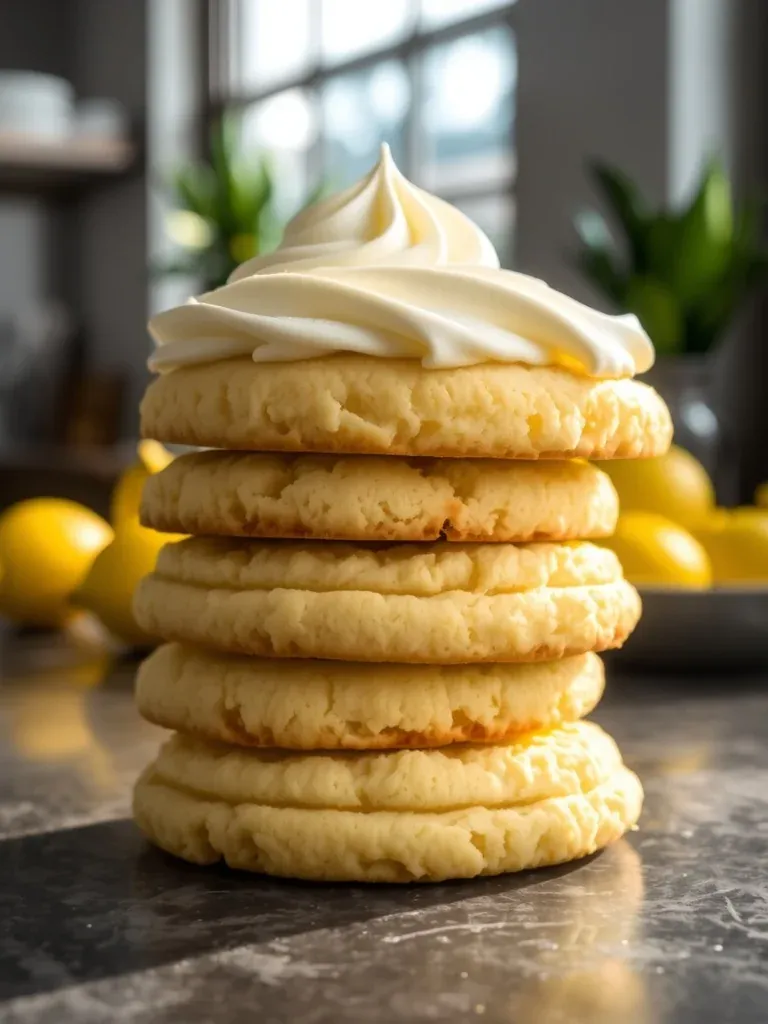
Honestly, there’s something comforting about a cookie that’s soft enough to melt in your mouth while the lemon glaze adds a whisper of bright citrus. I remember the first time I tried a similar treat—oops, the kitchen was filled with the scent of butter and lemon, and I couldn’t help but smile.
The essence of the dish
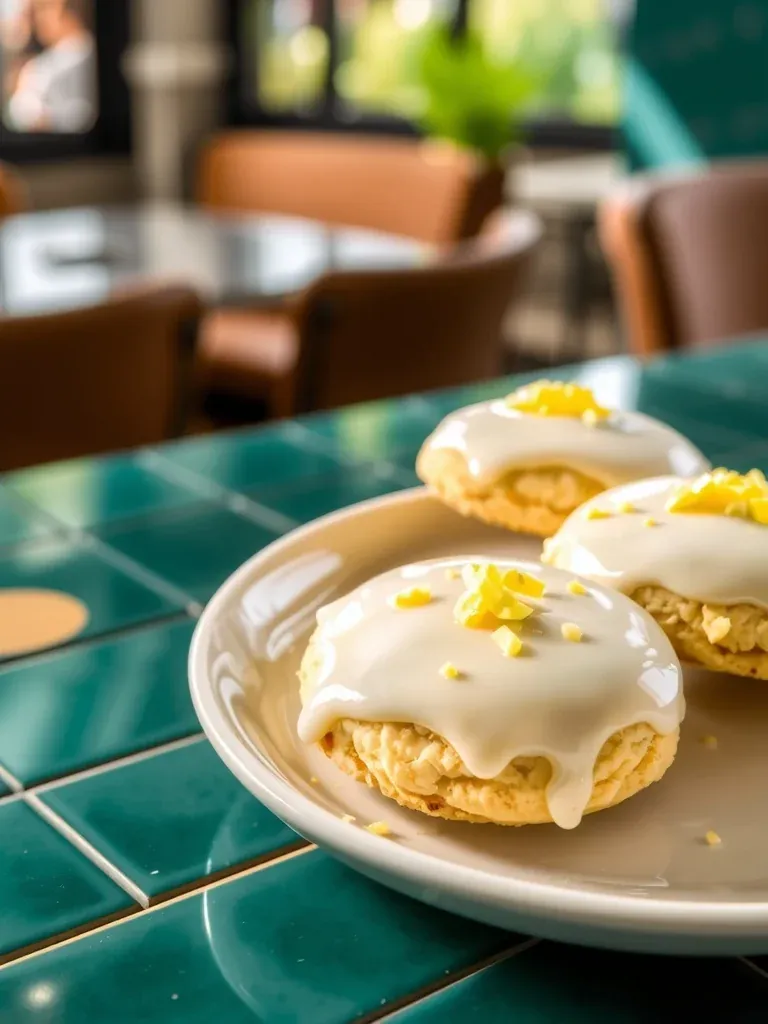
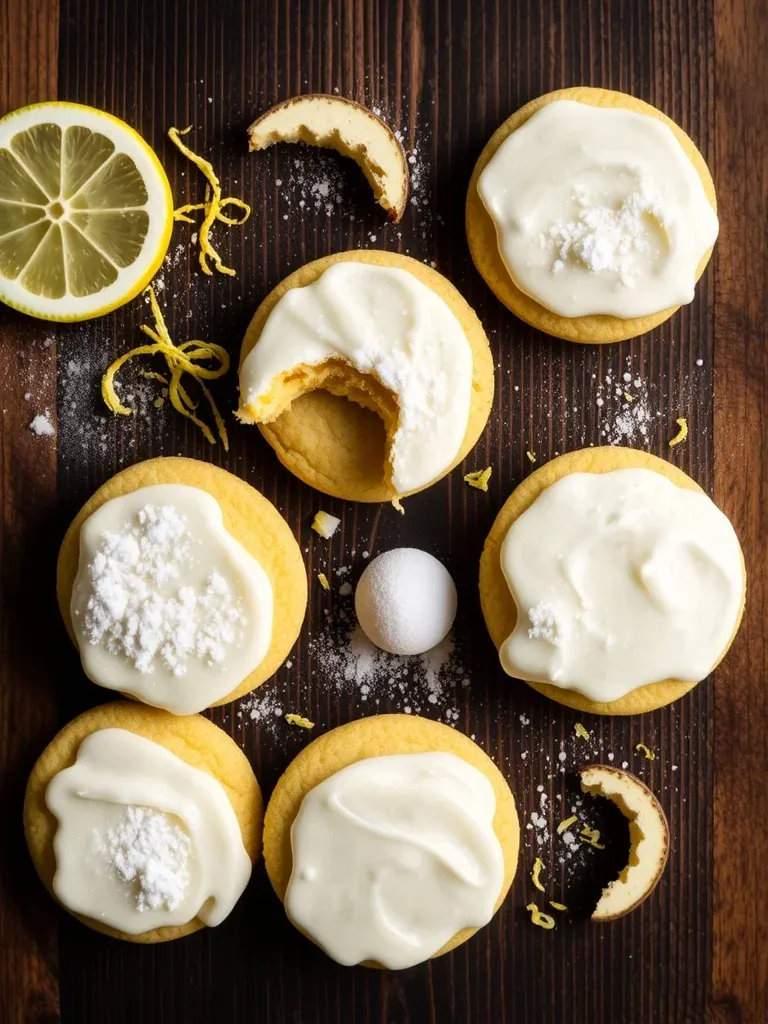
Soft, buttery cookies that hold a tender crumb, paired with a lemon glaze that shimmers like sunrise on a summer window.
A fun fact or historical angle
Lemon zest was once considered a luxury in medieval Europe, often reserved for royalty’s desserts.
Flavor or sensory focus
First you feel the warm butter, then a gentle citrus perfume, followed by a sweet‑tart glaze that tingles the palate.
You Must Know
- Do not over‑bake; keep them just pale gold.
- Glaze while the cookies are warm.
- Cool on a wire rack for even setting.
When you pull these cookies from the oven, the kitchen fills with a buttery aroma that instantly makes you pause. The glaze, still liquid, pools in the cracks, catching light. I pause, watch it settle, and think about why such simple elements can feel so celebratory. It’s a small, everyday joy, dear to many hearts.
The story behind it
Lemon cookies have traced their roots back to Mediterranean bakers who first combined citrus zest with simple doughs, creating a balance of sweet and tart that quickly spread across Europe. Over centuries the recipe evolved, finding its way into American home kitchens where it became a staple for holiday spreads and afternoon tea. The frosted version adds a modern twist, marrying a classic crumbly base with a glossy glaze that catches the eye and palate alike.
Why You'll Love It
- Soft, melt‑in‑your‑mouth texture
- Bright lemon glaze that never gets gummy
- Simple ingredients that feel luxurious
- Great for make‑ahead and freezing
Tips for success
- Don't over‑mix the dough; it can make cookies tough.
- Chill dough slightly to keep shapes defined.
- Glaze while cookies are warm for a smooth finish.
Professional secrets
- Room temperature butter creams faster and traps air.
- Sift powdered sugar for a lump‑free glaze.
- Let the glaze set on a wire rack for even texture.
Common mistakes to avoid
- Over‑mixing the dough, which can make cookies tough.
- Baking too long; cookies become crisp instead of soft.
- Applying glaze to hot cookies, causing it to run off.
Substitutions
- Butter: Margarine or coconut oil. Margarine will alter flavor; coconut oil adds a subtle tropical note.
- Lemon juice: Lime juice. Provides a different bright acidity; adjust sugar if needed.
Variations
- Spicy Version: Add 1/4 teaspoon of ground ginger and a pinch of cayenne to the glaze for a gentle heat.
- Mediterranean Style: Stir in finely chopped pistachios and a drizzle of honey after glazing.
Storage
Store in an airtight container with a slice of bread to maintain softness for up to a week.
Make ahead
You can chill the dough balls for up to 24 hours. Bake and glaze fresh on the day you plan to serve.
Leftovers
Reheat gently in a microwave for 10‑15 seconds; they regain softness quickly.
Serving ideas
- Serve a stack of three with a cup of tea.
- Place cookies on a pretty platter with fresh lemon slices.
- Pair with a light lemon shortbread for a sweet brunch.
Allergy information
Contains wheat, dairy, and egg.
Soft Lemon Frosted Cookies
A buttery cookie with a tangy lemon glaze that stays moist and fragrant.
- Prep time
- 20 min
- Cook time
- 12 min
- Total time
- 32 min
- Difficulty
- Easy
- Cuisine
- American
Ingredients
Cookie Base
Lemon Glaze
Instructions
- 1
Preheat the oven to 350°F (175°C) and line two baking sheets with parchment.
- 2
In a bowl whisk together flour, baking powder, and salt; set aside.
- 3
In a large mixing bowl, cream the softened butter and granulated sugar until light and fluffy, about 2‑3 minutes.
- 4
Add the egg, vanilla, and lemon zest; beat until fully incorporated.
- 5
Gradually add the dry flour mixture, mixing on low speed until a soft dough forms; do not over‑mix.
- 6
Scoop rounded tablespoons of dough onto the prepared sheets, spacing 2 inches apart.
- 7
Bake for 10‑12 minutes, until the edges are just lightly golden. Remove and let cool on the sheet for 2 minutes, then transfer to a wire rack.
- 8
While the cookies cool, whisk together powdered sugar, lemon juice, and lemon zest. If the glaze is too thick, add warm water a teaspoon at a time.
- 9
Drizzle or dip the warm cookies in the glaze; allow excess to drip off, then set back on the rack to let the glaze set.
- 10
Once the glaze is dry to the touch, store cookies in an airtight container.
Nutrition per serving
- 120 kcal
- Calories
- 2 g
- Protein
- 18 g
- Carbs
- 5 g
- Fat
Tips & notes
- If you prefer a shinier glaze, add a tiny pinch of corn syrup. - For extra lemon punch, fold a tablespoon of lemon curd into the glaze. - These cookies keep their softness for up to 4 days when stored properly.
Frequently asked questions
Can I use lemon extract instead of zest?
You can, but fresh zest provides a brighter aroma and less bitterness than extract.
How do I keep the cookies soft?
Store them in an airtight container with a slice of fresh bread; the bread releases moisture that softens the cookies.
Can I freeze the dough?
Yes, shape the dough into balls, freeze on a tray, then transfer to a zip bag; bake straight from frozen, adding a minute or two.
What if I don’t have powdered sugar?
Blend granulated sugar in a blender until fine; it will work for the glaze.
Is it okay to use a glass baking sheet?
A glass sheet works, just lower the oven temperature by 5‑10°F to prevent over‑browning.
Can I add poppy seeds to the glaze?
Yes, a teaspoon adds a subtle crunch and visual interest.

Amelia Hart
Chef Amelia Hart is a dessert enthusiast who loves creating elegant cakes, cookies, and baked treats. Her baking style combines classic pastry techniques with creative flavor combinations. Amelia believes that desserts…