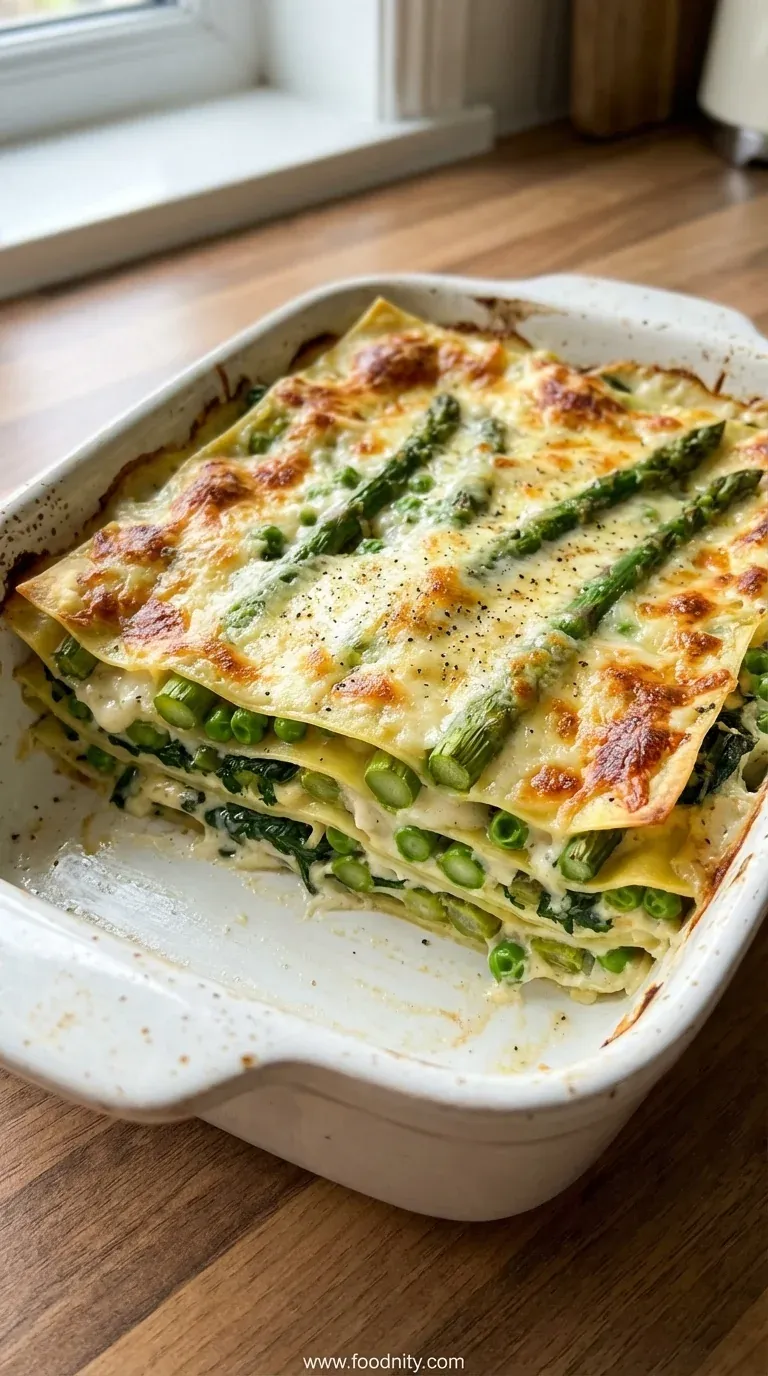
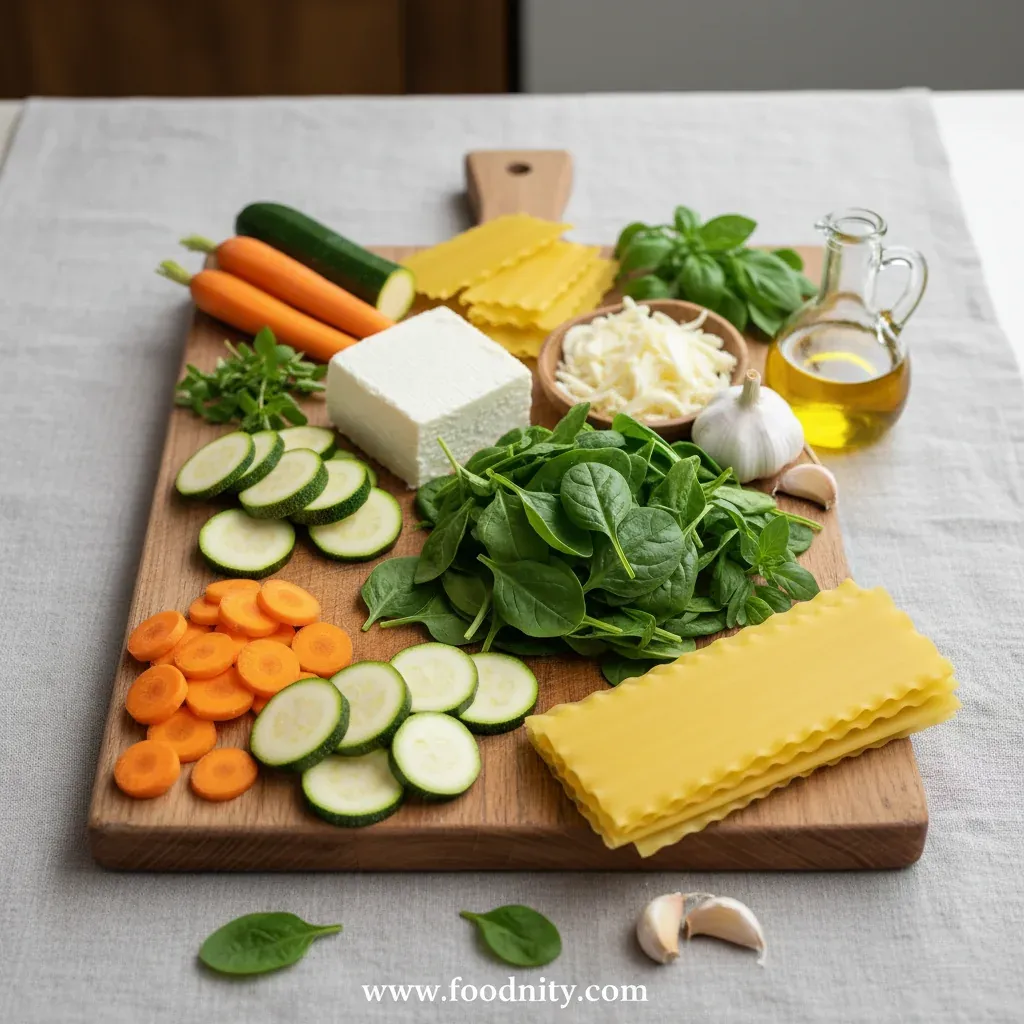
Honestly, when the first sprouts push through the soil, I feel a little spark of excitement. So, I gathered fresh carrots, snow peas, and baby spinach, then layered them with silky ricotta and a dash of mozzarella. Yeah, it’s a bit of a cheat, but the result feels like a home‑cooked celebration. If you’re craving another spring noodle idea, the chickpea pasta is a lovely companion.
The essence of the dish
It’s a celebration of spring’s crispness wrapped in comforting pasta, where each bite offers a balance of sweetness, earthiness, and melted cheese.
A fun fact or historical angle
During medieval times, lasagne was often layered with vegetables to make the dish more economical for large households.
Flavor or sensory focus
You’ll notice the gentle snap of peas, the buttery smoothness of ricotta, and the aromatic perfume of fresh herbs as the oven door opens.
You Must Know
- Do not over‑cook the noodles; they should stay slightly al dente
- Season each vegetable layer for depth
- Rest before cutting for clean slices
Honestly, these three points keep the lasagne from turning soggy. I remember a time when I rushed the bake and the bottom was a bit mushy – a simple pause made all the difference. So, give it that extra minute to set, and you’ll be rewarded with tidy, beautiful portions.
The story behind it
Spring vegetables have long been celebrated in Italian kitchens, where the bounty of the season transforms simple dishes into vibrant meals. Historically, lasagne was a way to stretch meat with layers of vegetables and cheese, creating a hearty plate for large families. The technique of layering pasta with a ricotta blend dates back to the Renaissance, when cooks sought to balance flavors and textures without over‑relying on meat. This modern cheat version honors that tradition, offering a lighter, garden‑focused experience while retaining the comforting richness that defines Italian comfort food.
Why You'll Love It
- Fresh spring vegetables add bright flavor and color
- Quick assembly saves time on busy weeknights
- Cheesy layers create a comforting, indulgent feel
- Easy to customize with your favorite herbs
Tips for success
- Don’t over‑mix the ricotta; keep it slightly lumpy for texture
- Cover with foil early to lock in moisture
- Let the lasagne rest; this keeps layers from sliding
Professional secrets
- Room temperature cheese blends more evenly
- Sauté vegetables just until they release scent, not fully cooked
- A quick broil at the end adds a perfect caramelized top
Common mistakes to avoid
- Overcooking the vegetables, which makes them mushy
- Using too much sauce, resulting in a soggy bottom
- Skipping the resting time, causing layers to slide
Substitutions
- Ricotta cheese: Cottage cheese. Will be slightly less creamy; drain well.
- Lasagne noodles: Gluten‑free lasagne sheets. Cook according to package directions before layering.
Variations
- Spicy Version: Add a pinch of red pepper flakes to the vegetable sauté for gentle heat.
- Mediterranean Style: Stir in chopped sun‑dried tomatoes and a handful of olives with the veg.
Storage
Cool completely, then cover and refrigerate for up to 4 days. Reheat in the oven at 350°F until heated through.
Make ahead
You can assemble the lasagne up to 24 hours ahead, cover tightly, and refrigerate; bake when ready.
Leftovers
Reheat gently in a skillet with a splash of milk or in the oven at 350°F, covered with foil, until warmed through.
Serving ideas
- Serve hot, straight from the oven, with a side of garlic‑bread.
- Pair with a simple green salad dressed with vinaigrette.
- Garnish with extra basil leaves for color and fragrance.
Allergy information
Contains dairy and wheat. No nuts.
Spring Veg Cheat's Lasagne
Hearty spring vegetable lasagne with cheesy layers, perfect for a quick, healthy Italian dinner.
- Prep time
- 20 min
- Cook time
- 35 min
- Total time
- 55 min
- Difficulty
- Easy
- Cuisine
- Italian
Ingredients
Main Ingredients
Cheese Sauce
Instructions
- 1
Preheat the oven to 375°F (190°C). Lightly grease a 9×13‑inch baking dish.
- 2
In a large skillet, heat olive oil over medium heat. Add garlic, carrots, and zucchini; sauté 4‑5 minutes until they begin to soften.
- 3
Stir in snow peas and spinach; cook just until the spinach wilts. Season with salt, pepper, and set aside.
- 4
For the cheese sauce, melt butter in a saucepan, whisk in flour, cook 1 minute, then slowly whisk in milk. Simmer until thickened, then stir in a pinch of nutmeg.
- 5
In a bowl, combine ricotta with half of the mozzarella and a tablespoon of Parmesan; season lightly.
- 6
Begin layering: spread a thin layer of cheese sauce on the bottom, place a sheet of noodles, spoon half the ricotta mixture, then half the vegetable mixture. Repeat the layers, ending with noodles, remaining sauce, and the remaining mozzarella and Parmesan.
- 7
Cover with foil and bake 20 minutes. Remove foil and bake another 15 minutes until the cheese is golden and bubbling.
- 8
Let rest 10 minutes, garnish with fresh basil, and serve warm.
Nutrition per serving
- 420 kcal
- Calories
- 22 g
- Protein
- 45 g
- Carbs
- 18 g
- Fat
Tips & notes
- If the lasagne looks dry before the end of baking, add a splash of milk. - You can substitute half the ricotta with cottage cheese for a lighter texture. - For extra depth, stir a teaspoon of lemon zest into the cheese sauce.
Frequently asked questions
Can I use frozen vegetables?
Yes, thaw and pat them dry first; this prevents excess water from making the lasagne soggy.
What if I don’t have no‑boil noodles?
Pre‑cook regular lasagne sheets for 4‑5 minutes, then drain and layer as usual.
Can I make this ahead of time?
Assemble the lasagne, cover, and refrigerate up to 24 hours before baking.
How long can leftovers be stored?
Keep refrigerated for 3‑4 days; reheat gently in the oven to retain texture.
Is there a gluten‑free version?
Swap regular noodles for gluten‑free lasagne sheets and use a gluten‑free flour blend for the sauce if needed.
What side dishes pair well?
A simple arugula salad with lemon vinaigrette or the goat cheese spring salad complements the richness beautifully.

Lucas Bennett
Chef Lucas Bennett specializes in rich and hearty beef dishes inspired by traditional steakhouse cooking. He is passionate about slow-cooked stews, juicy steaks, and bold flavors that highlight the natural taste of…