Honestly, when the sun hangs high and the garden hums, I reach for a simple, fragrant cake. This Summer Orange Cake is the kind of recipe that whispers of sunshine and warm kitchen windows. I remember the first time I tried it, the scent of orange zest filled the house, and I thought, wow, this is exactly what a summer day needs.
The essence of the dish
The cake’s secret lies in the balance of bright orange zest and the soft, buttery crumb. A little acidity lifts the sweetness, making each bite feel refreshing rather than cloying.
A fun fact or historical angle
In Victorian England, orange‑flavored cakes were served at tea parties to showcase the exotic fruit’s popularity after trade routes expanded.
Flavor or sensory focus
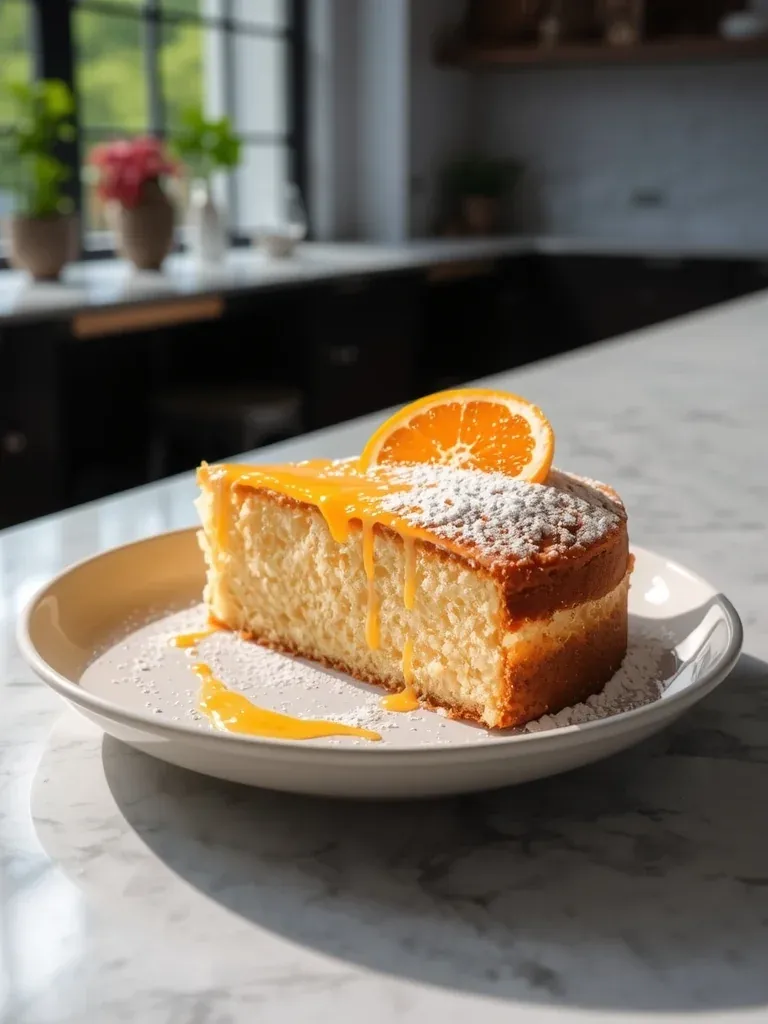
You’ll notice the gentle citrus perfume as you cut the slice, followed by a moist, tender texture that yields easily, leaving a lingering, sweet‑tart finish.
You Must Know
- Use fresh zest, not pre‑grated
- Don’t over‑mix the batter
- Cool on a wire rack
- Serve slightly warm for best aroma
Honestly, these points seem simple, but they come from years of trial and error in my kitchen. I’ve watched cakes rise too fast, become dry, or lose that bright citrus note. When you pay attention to each step, the result is a cake that feels like a gentle summer hug. So, take your time, enjoy the scent, and let the kitchen fill with that sunny feeling.
The story behind it
The origin of orange cake dates back to Mediterranean bakeries where citrus was a prized summer treasure. In the early 1900s orange‑flavored desserts became a staple for seaside towns, offering a refreshing lift on hot days. This tradition traveled across oceans, becoming a beloved staple in home kitchens. The recipe blends that heritage with a modern, tender crumb that feels both nostalgic and new.
Why You'll Love It
- Light and fluffy texture that melts in your mouth
- Bright citrus flavor without being overwhelming
- Simple pantry ingredients, no fancy equipment
- Perfect for serving with tea or as a dessert after a barbecue
Tips for success
- Don’t over‑mix after adding flour; it keeps the crumb tender.
- Separate eggs; beating whites adds airy lift.
- Allow the cake to cool slightly before glazing; the glaze sets beautifully.
Professional secrets
- Room‑temperature butter emulsifies smoothly, preventing lumps.
- Gentle folding of egg whites retains air for a lofty texture.
- A quick brush of orange glaze while the cake is warm locks in moisture.
Common mistakes to avoid
- Over‑mixing batter, which makes the cake dense
- Using bottled zest with bitter pith
- Opening the oven door too early, causing a sunken top

Substitutions
- All‑purpose flour: Whole‑wheat flour. Will add a nutty note; you may need a bit more liquid
- Sugar: Honey or maple syrup. Reduce liquid by 2 tbsp when using liquid sweeteners
Variations
- Spicy Version: Add a pinch of ground ginger and a dash of orange‑infused chili oil for warmth.
- Mediterranean Style: Fold in toasted almond slivers and garnish with a drizzle of honey.
Storage
Keep in an airtight container at room temperature for up to three days, or refrigerate for a week.
Make ahead
You can bake the cake a day ahead and store it wrapped; the glaze can be prepared up to 2 days in advance.
Leftovers
Reheat a slice gently in a microwave for 15 seconds, or enjoy cold with a coffee.
Serving ideas
- Serve each slice with a dollop of lightly sweetened whipped cream
- Pair with a side of fresh mandarin segments
- Garnish with a sprig of mint for color contrast
- Accompany with a chilled glass of iced tea
Allergy information
Contains eggs, dairy, and gluten.
Summer Orange Cake
Light, moist orange cake bursting with citrus flavor—ideal for warm days.
- Prep time
- 20 min
- Cook time
- 30 min
- Total time
- 50 min
- Difficulty
- Easy
- Cuisine
- Mediterranean‑American
Ingredients
Cake
Orange Glaze
Instructions
- 1
Preheat the oven to 350°F (175°C). Grease a 9‑inch round cake pan and line the bottom with parchment.
- 2
In a bowl, whisk together flour, baking powder, and salt; set aside.
- 3
Cream the softened butter with sugar until pale and fluffy, about 3‑4 minutes. Add the egg yolks one at a time, mixing well after each.
- 4
Stir in the orange juice, milk, and orange zest until just combined.
- 5
In a separate clean bowl, beat the egg whites to soft peaks; gently fold them into the batter to give extra lift.
- 6
Fold the dry flour mixture into the wet batter in two additions, being careful not to over‑mix.
- 7
Pour the batter into the prepared pan, smooth the top, and bake for 30‑35 minutes, or until a toothpick comes out clean.
- 8
While the cake cools, whisk powdered sugar with orange juice until smooth; drizzle over the warm cake, letting it soak in.
Nutrition per serving
- 340 kcal
- Calories
- 5 g
- Protein
- 52 g
- Carbs
- 11 g
- Fat
Tips & notes
- Make sure the orange zest is from unpeeled fruit to avoid bitterness. - If you prefer a richer flavor, substitute half the milk with orange‑infused cream. - For a festive touch, garnish with candied orange slices.
Frequently asked questions
Can I use bottled orange juice?
Fresh juice gives the best flavor, but if you must, choose a high‑quality, no‑added‑sugar variety.
How long does the cake stay fresh?
Stored in an airtight container, it stays moist for up to 3 days at room temperature.
Can I add nuts?
Yes, toasted almond slivers add a pleasant crunch without overpowering the citrus.
What glaze works best?
A simple glaze of powdered sugar mixed with orange juice gives a shiny finish.
Is this recipe gluten‑free?
Swap the all‑purpose flour for a 1‑to‑1 gluten‑free blend; the texture remains light.
Can I freeze the cake?
Absolutely—wrap tightly and freeze for up to 2 months, then thaw at room temperature.

Amelia Hart
Chef Amelia Hart is a dessert enthusiast who loves creating elegant cakes, cookies, and baked treats. Her baking style combines classic pastry techniques with creative flavor combinations. Amelia believes that desserts…