Honestly, there’s something magical about a warm beignet fresh from the fryer. I remember the first time I tried them at a tiny café in New Orleans, the scent of vanilla dancing in the air. This recipe brings that moment home, step by gentle step. For a quick inspiration, check out Desserts for more sweet ideas.
The essence of the dish
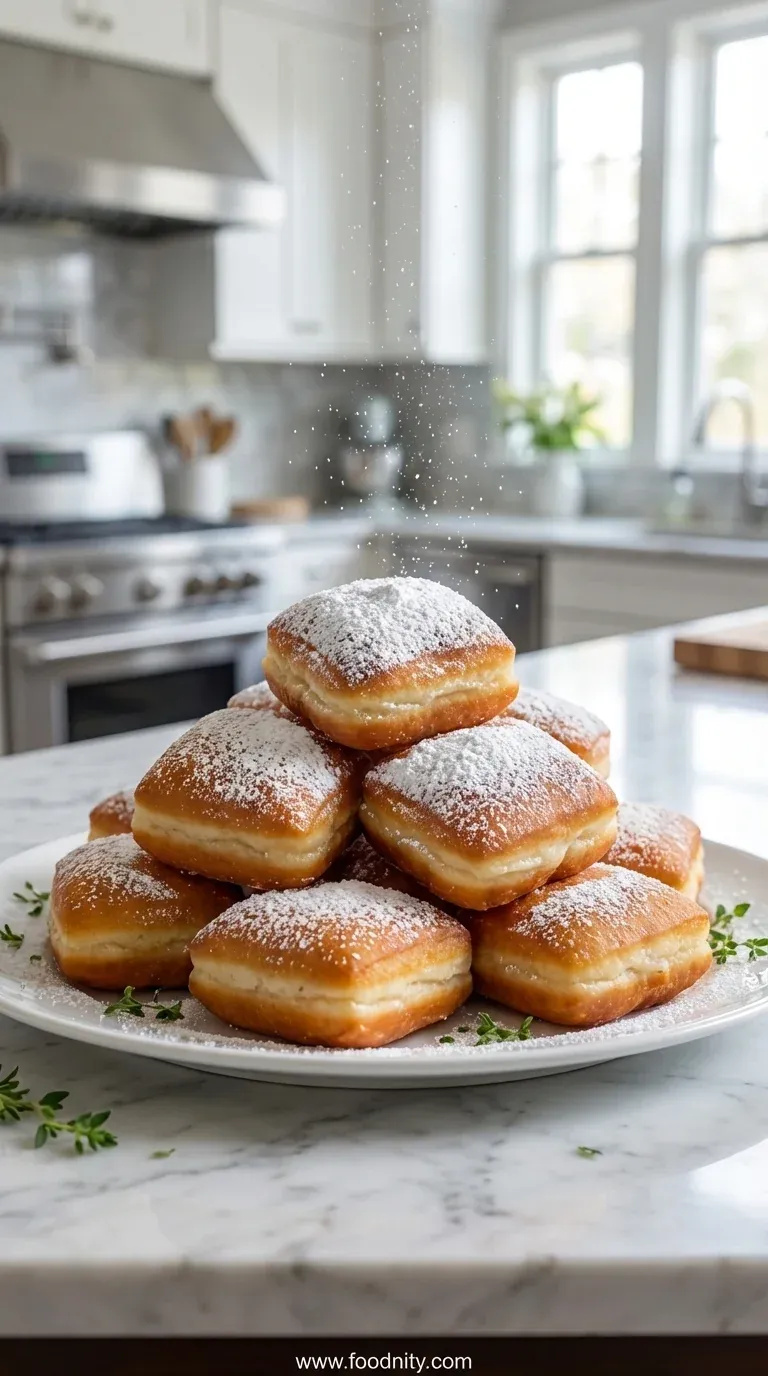
A light batter kissed by vanilla, fried to a delicate golden hue, and finished with a snowy dusting of powdered sugar.
A fun fact or historical angle
Did you know that the word “beignet” originally described a cheap pastry sold by street vendors in 19th‑century France? It traveled across the Atlantic and became a beloved treat in New Orleans.
Flavor or sensory focus
The first bite offers a subtle crackle, then a melt‑in‑your‑mouth softness, all wrapped in the warm, comforting scent of vanilla.
You Must Know
- Do not overcrowd the oil; fry in small batches
- Let the dough rest for a full rise
- Powdered sugar should be sifted for an even coat
When you pull the beignets from the oil, they should float lightly, a sign they’re perfectly cooked. I like to pair them with a cup of freshly brewed coffee, letting the bittersweet notes balance the sweet, airy pastries. For more inspiration, you might also enjoy cauliflower fritters as a savory counterpart.
The story behind it
Beignets, originally a French pastry, found their way to the spirited streets of New Orleans in the 18th century, where they became a staple of the French Quarter. Their name, meaning "fried" in French, hints at the simple technique that creates a puffed, airy interior. Over time, bakers added local twists, and the vanilla‑infused version emerged as a beloved breakfast companion. This tradition carries the comfort of shared mornings and the soft rustle of paper napkins at a bustling café. The story of beignets is a gentle reminder that simple dough, heat, and a hint of vanilla can create a timeless delight.
Why You'll Love It
- Incredibly light texture with a subtle vanilla aroma
- Quick preparation; perfect for busy mornings
- Crispy exterior that gives way to a soft, fluffy center
- Versatile: serve plain, with powdered sugar, or a drizzle of honey
Tips for success
- Don't overcrowd the pan; cook in batches to keep oil temperature steady.
- Let the dough rise fully; it creates the signature airy interior.
- Taste the batter; it should have a faint sweetness before frying.
Professional secrets
- Use room‑temperature ingredients for even rising.
- Maintain a consistent oil temperature for a uniform crust.
- Dust with powdered sugar while the beignets are still hot for a melt‑in‑your‑mouth coating.
Common mistakes to avoid
- Frying at too high a temperature, causing a burnt crust.
- Over‑mixing the batter, which can make the beignets dense.
- Skipping the rise, resulting in a heavy texture.
Substitutions
- All‑purpose flour: Gluten‑free flour blend. May require a bit more liquid to achieve the right consistency.
- Powdered sugar: Coconut sugar, sifted. Gives a lighter caramel flavor; dust lightly.
Variations
- Spicy Version: Add a pinch of cayenne pepper to the batter for a subtle kick.
- Mediterranean Style: Stir in finely chopped orange zest and a drizzle of honey after frying.
Storage
Store in an airtight container at room temperature for up to 2 days; reheat gently in a low oven.
Make ahead
You can prepare the batter a day ahead, let it rise, then refrigerate; bring to room temperature before frying.
Leftovers
Reheat in a 350°F oven for 5‑7 minutes to restore crispness.
Serving ideas
- Serve hot over a plate dusted with extra powdered sugar.
- Pair with fresh berries and a dollop of whipped cream.
- Accompany with a side of fruit compote for a fruity contrast.
- Garnish with a light drizzle of maple syrup for extra indulgence.
Allergy information
Contains wheat, eggs, dairy, and soy (if using soy‑based oil).
Vanilla French Beignets: Amazing Breakfast Recipe
Deliciously airy vanilla beignets, perfect for a cozy breakfast or brunch.
- Prep time
- 20 min
- Cook time
- 15 min
- Total time
- 35 min
- Difficulty
- Easy
- Cuisine
- French
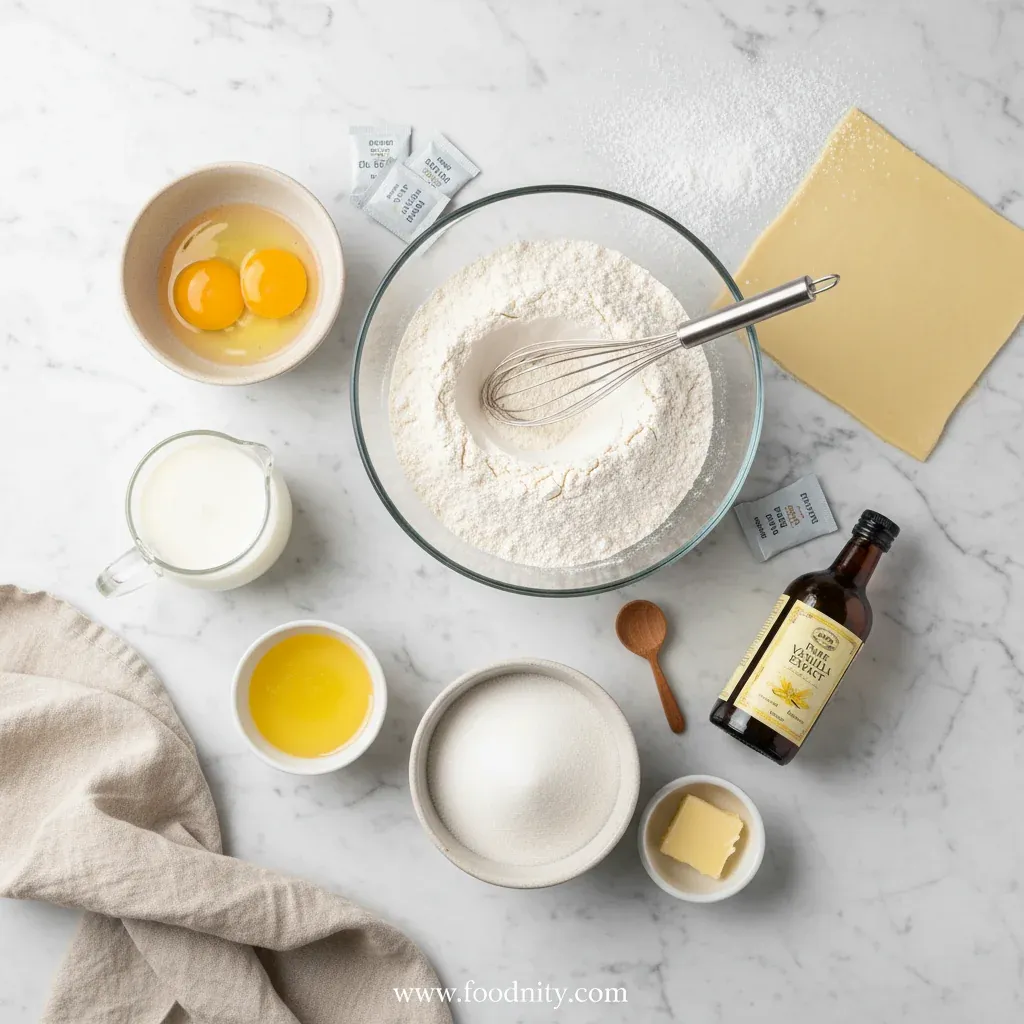
Ingredients
Batter
For Frying & Finishing
Instructions
- 1
In a large bowl, whisk together flour, sugar, yeast, and salt.
- 2
Warm the milk until just above body temperature, then pour into the dry ingredients and stir until a sticky dough forms.
- 3
Add the eggs, melted butter, and vanilla extract; mix until smooth. Cover and let rise in a warm spot until doubled, about 1 hour.
- 4
Heat oil in a deep pot to 350°F. While the oil heats, drop spoonfuls of batter (about 2‑inch wide) into the oil, frying a few at a time until golden, about 2‑3 minutes per side.
- 5
Remove beignets with a slotted spoon, drain on paper towels, then toss generously in powdered sugar while still warm.
Nutrition per serving
- 260 kcal
- Calories
- 6 g
- Protein
- 32 g
- Carbs
- 12 g
- Fat
Tips & notes
- If the batter seems too thick, add a splash of milk; it should be pourable but not runny. - For extra vanilla aroma, add a vanilla bean seed to the milk before mixing. - Serve immediately for the best texture; they soften if left out too long.
Frequently asked questions
Can I use milk alternatives?
Yes, almond or oat milk works fine; just ensure it’s warm to activate the yeast.
How do I know when the oil is ready?
Drop a tiny piece of batter; if it sizzles and rises quickly, the oil is at the right temperature.
Can I freeze the beignets?
Absolutely. Cool completely, then freeze in an airtight bag. Reheat in the oven for a few minutes before serving.
What’s a good topping besides powdered sugar?
A drizzle of honey, a light glaze of vanilla icing, or a sprinkle of cinnamon sugar all add delightful twists.
Do I need a deep fryer?
A heavy‑bottomed pot with a thermometer works just as well; maintain steady heat for consistent results.
How long can I store the dough?
The risen dough can be kept refrigerated for up to 24 hours; bring it to room temperature before shaping.

Amelia Hart
Chef Amelia Hart is a dessert enthusiast who loves creating elegant cakes, cookies, and baked treats. Her baking style combines classic pastry techniques with creative flavor combinations. Amelia believes that desserts…