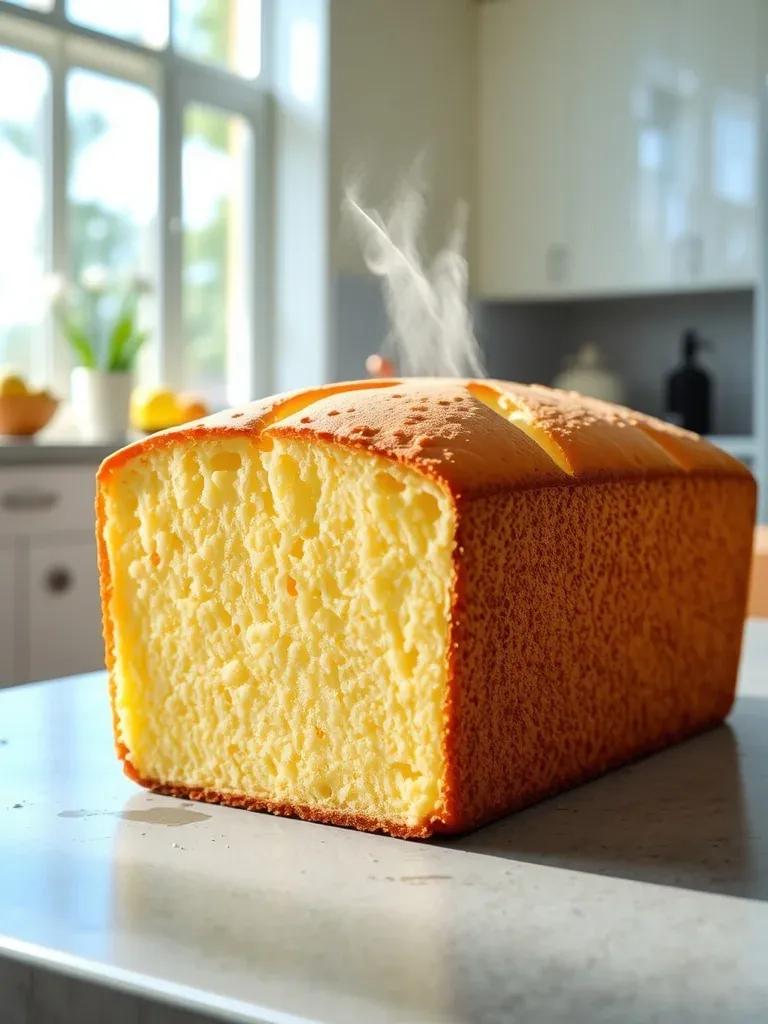
Honestly, this vanilla pound cake brings back the gentle scent of a kitchen that’s been alive with butter melting in the pan. I remember when I first tried a classic pound cake that was so soft it seemed to melt on the fork. It’s the kind of cake that feels steady, like a trusted friend, and yet it has a whisper of vanilla that makes you smile.
The essence of the dish
At its core, this cake is a celebration of butter and vanilla, balanced perfectly with sugar and flour. The result is a dense yet melt‑in‑your‑mouth crumb that feels both comforting and refined.
A fun fact or historical angle
Originally, a "pound" cake really did use a pound each of its four main ingredients, which made it a reliable, shelf‑stable treat for long voyages.
Flavor or sensory focus
You’ll notice the warm, buttery aroma as the cake bakes, then the sweet vanilla perfume that lingers when it comes out of the oven.
You Must Know
- Do not over‑mix once flour is added
- Use room‑temperature ingredients for even rise
- Allow the cake to rest before slicing
I’ve learned that patience in the cooling stage lets the crumb settle beautifully, so each slice holds its shape. Also, a light dusting of powdered sugar adds a visual finish without masking the vanilla scent. It’s those simple touches that turn an everyday cake into something memorable.
The story behind it
Vanilla pound cake traces its roots back to 18th‑century Europe, where a dense, buttery loaf was a staple for both celebrations and everyday meals. Its name comes from the traditional use of a pound each of flour, butter, eggs, and sugar, creating a reliably balanced cake. Over time, the humble loaf crossed oceans, becoming a beloved dessert in American homes, especially in the South, where it often appears at gatherings and holiday tables. The simplicity of its ingredients lets the pure flavor of vanilla shine through, making it a timeless comfort food.
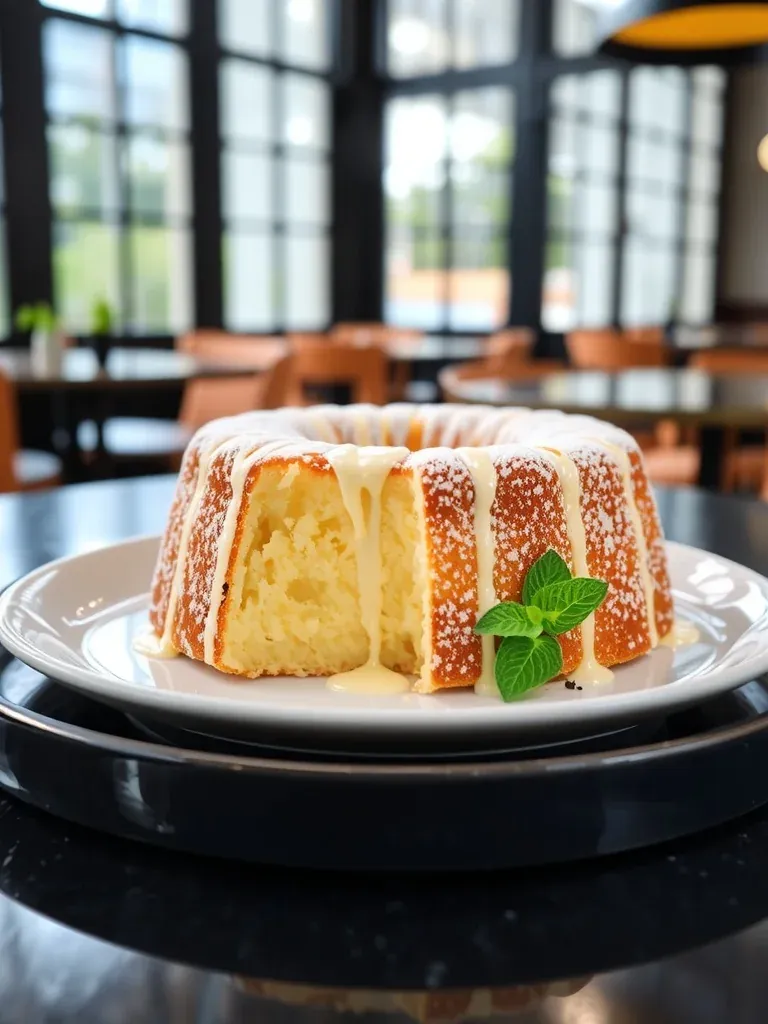
Why You'll Love It
- Effortlessly buttery texture that stays soft for days
- Classic vanilla flavor that isn’t overpowering
- Simple pantry ingredients, no fancy equipment needed
- Perfect base for frosting, glaze, or fresh berries
Tips for success
- Do not over‑mix once flour is added, it can toughen the crumb.
- Room‑temperature butter incorporates air better, giving lift.
- Check the cake a few minutes before the timer ends; ovens vary.
Professional secrets
- Cream butter and sugar until a pale, airy texture – it creates a tender crumb.
- Bake at a moderate temperature (325°F) to allow the cake to rise evenly without browning too fast.
- Let the cake rest a few minutes after baking; the steam inside finishes the cooking gently.
Common mistakes to avoid
- Over‑mixing after adding flour, which makes the cake tough.
- Opening the oven door too early, causing the cake to sink.
- Using melted butter, resulting in a denser crumb.
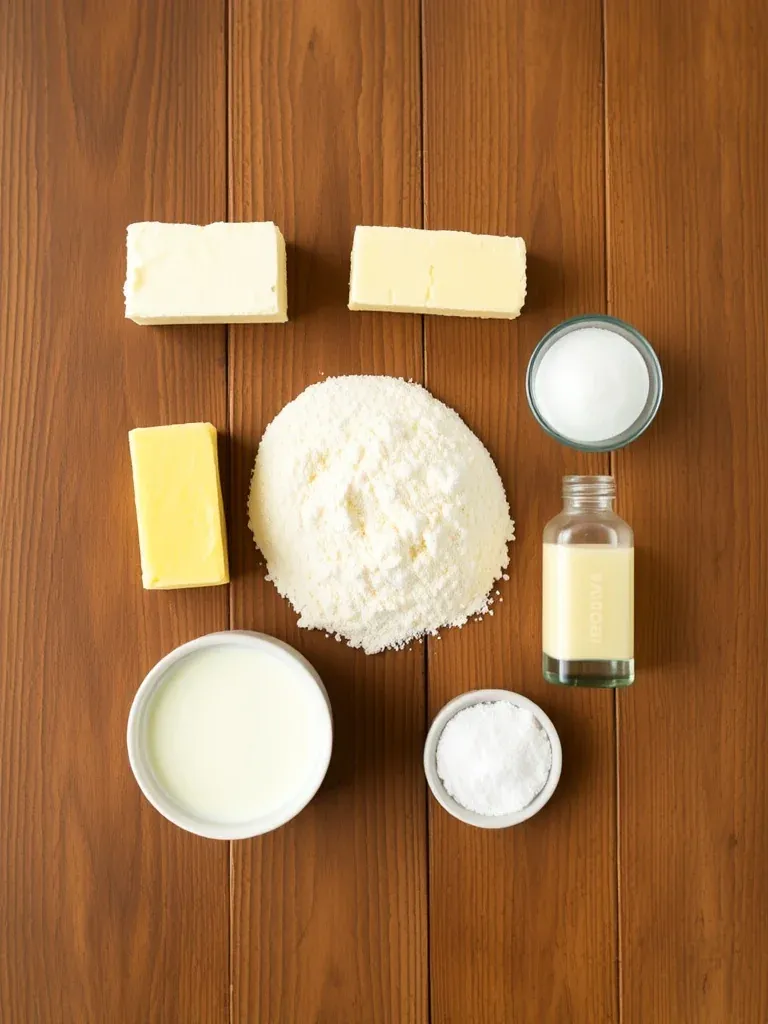
Substitutions
- All‑purpose flour: Whole‑wheat flour. Will give a nuttier flavor and denser texture; reduce liquid slightly.
- Butter: Margarine. Margarine works, but the flavor won't be as rich.
Variations
- Spicy Version: Add ¼ teaspoon of ground cinnamon and a pinch of nutmeg for warm spice.
- Mediterranean Style: Stir in chopped toasted almonds and a drizzle of honey after baking.
Storage
Store in an airtight container at room temperature; it stays moist for up to three days. Refrigerate if you need to keep it longer.
Make ahead
You can bake the cake up to two days ahead; wrap tightly and let it come to room temperature before serving.
Leftovers
Reheat gently in a skillet with a pat of butter for a warm slice that feels freshly baked.
Serving ideas
- Slice thick and serve with a dollop of fresh whipped cream.
- Pair with a scoop of vanilla ice cream for an indulgent dessert.
- Top with sliced strawberries and a drizzle of honey.
- Garnish with a sprig of mint for a fresh finish.
Allergy information
Contains dairy, eggs, and wheat.
Vanilla Pound Cake – Moist, Buttery & Easy
Moist, buttery vanilla pound cake that feels like a warm hug on a plate.
- Prep time
- 15 min
- Cook time
- 45 min
- Total time
- 1 h
- Difficulty
- Easy
- Cuisine
- American
Ingredients
Main Ingredients
Instructions
- 1
Preheat the oven to 325°F (165°C) and grease a 9‑inch loaf pan with butter, then line with parchment.
- 2
In a large bowl, cream the softened butter and sugar together until the mixture is light, fluffy, and pale – this takes about 4‑5 minutes with a handheld mixer.
- 3
Add the eggs one at a time, beating well after each addition, then stir in the vanilla extract; the batter should be smooth and glossy.
- 4
In a separate bowl, whisk together the sifted flour, baking powder, and salt; gently fold this dry mixture into the wet batter, alternating with the milk, until just combined.
- 5
Pour the batter into the prepared loaf pan, smoothing the top with a spatula. Tap the pan on the counter to release any large air bubbles.
- 6
Bake for 45‑50 minutes, or until a golden‑brown crust forms and a toothpick inserted into the center comes out clean.
- 7
Allow the cake to cool in the pan for 10 minutes, then turn onto a wire rack to cool completely before slicing.
Nutrition per serving
- 320 kcal
- Calories
- 5 g
- Protein
- 44 g
- Carbs
- 14 g
- Fat
Tips & notes
- If you prefer a slightly richer flavor, you can substitute half of the milk with heavy cream. - For a hint of citrus, add a teaspoon of finely grated lemon zest to the batter. - A light dusting of powdered sugar after cooling adds a decorative finish.
Frequently asked questions
Can I use melted butter instead of softened butter?
Melted butter will change the texture, making the cake denser. It’s best to keep it softened for a light crumb.
How long can the cake stay fresh?
Stored tightly wrapped at room temperature, it stays moist for up to three days.
Can I add citrus zest for extra flavor?
Yes, a teaspoon of lemon or orange zest brightens the vanilla nicely without overpowering it.
What’s the best pan size?
A 9‑inch loaf pan works perfectly; too large spreads the batter thin, too small makes it overly dense.
Is it okay to substitute milk with almond milk?
Almond milk works fine; just choose an unsweetened variety to keep the balance.
Can I freeze the baked cake?
Absolutely – wrap it well and freeze for up to two months, then thaw at room temperature.

Amelia Hart
Chef Amelia Hart is a dessert enthusiast who loves creating elegant cakes, cookies, and baked treats. Her baking style combines classic pastry techniques with creative flavor combinations. Amelia believes that desserts…