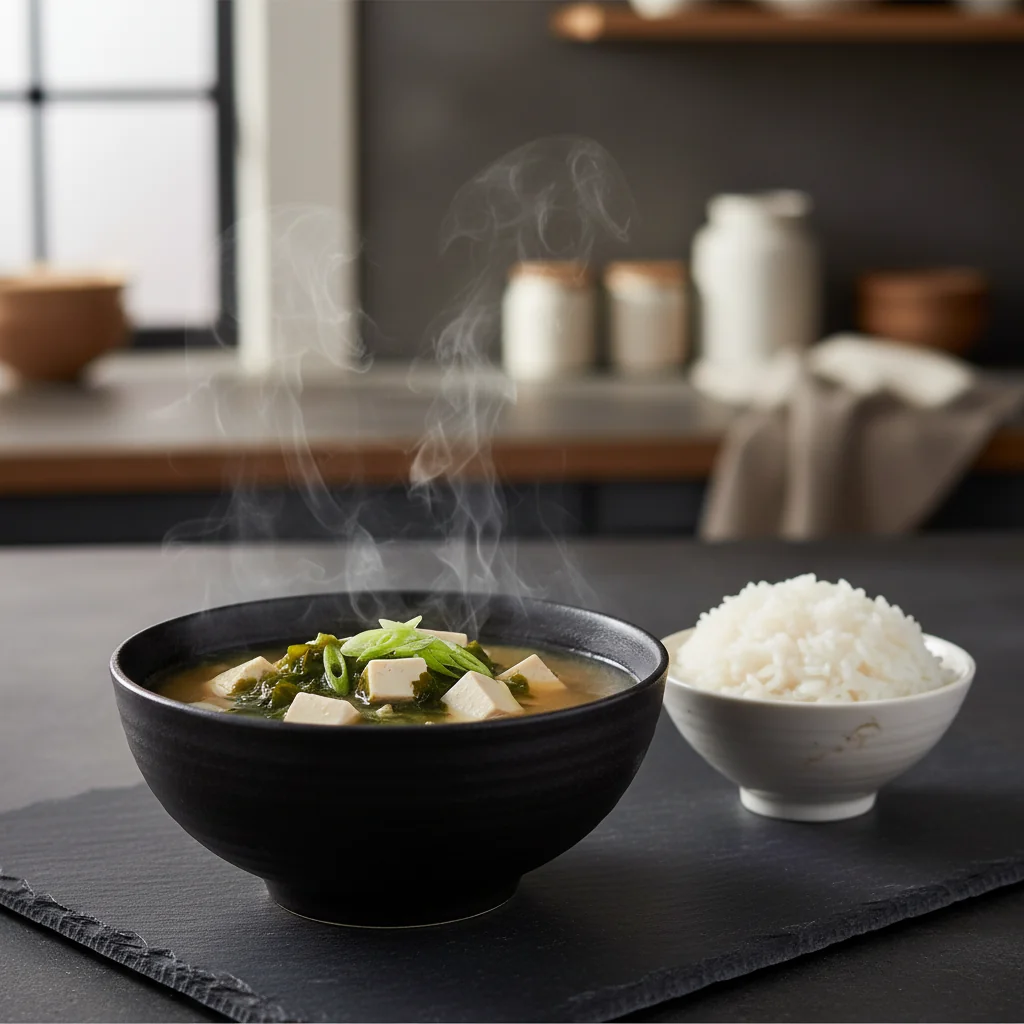
Miso soup is a cornerstone of Japanese culinary tradition, rooted in the art of fermentation. At its heart is miso paste—a mixture of soybeans, salt, and koji mold—which has been used for centuries to provide a protein-rich, probiotic-heavy foundation for daily meals. Traditionally served as a breakfast item or a side to a larger feast, the soup represents a balance of simplicity and deep flavor, reflecting the Zen philosophy of finding beauty and contentment in the most basic elements of nature.
Why You'll Love It
-
- It takes literally ten minutes from start to finish
-
- The umami flavor is deeply satisfying and comforting
-
- It's a gentle way to support gut health with fermented paste
-
- Very flexible—you can toss in whatever greens you have in the fridge
"This is exactly how my grandmother used to make it. Simple, salty, and so incredibly soothing on a rainy afternoon."
Essential Ingredient Guide
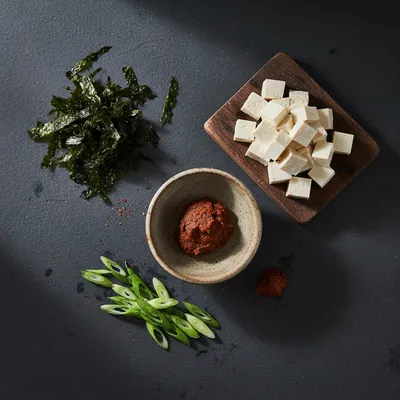
- Miso Paste: The soul of the soup. White miso is milder and sweeter, while red is bolder. I usually go for the white one for a gentler taste.
- Dashi: This is the traditional broth. If you don't have it, a light vegetable broth works, though you'll miss that ocean-like depth.
- Tofu: Soft or silken tofu is best. Just cube it gently so it doesn't fall apart completely in the heat.
- Green Onions: Freshly sliced greens add a bright, sharp contrast to the salty depth of the broth.
- Seaweed (Wakame): Dried wakame expands quickly. A little goes a long way in adding texture and a briny scent.
- Optional Ginger: A tiny bit of grated ginger adds a subtle warmth that clears the sinuses and wakes up the palate.
 Desserts & Baking
Blueberry Crumble Bars – Easy Homemade Dessert
Buttery blueberry crumble bars that are easy to bake and delightful to share.
Complete Cooking Process
-
Ingredient Readiness:
Everything should be prepped before the water hits the heat. Cube your tofu, slice those onions thinly, and have your miso paste measured out. It moves so fast that you don't want to be chopping while the broth is simmering.
-
Flavor Development:
The magic happens when the miso is whisked in. You don't want to boil the miso, as it kills the delicate probiotics and changes the scent from sweet and nutty to something too sharp.
-
Texture Control:
The tofu should be just heated through—not cooked—to keep its silky, melt-in-your-mouth quality. The seaweed needs just a couple of minutes to unfurl and become tender.
-
Finishing Touches:
A sprinkle of fresh scallions right at the end. The heat of the soup wilts them just enough to release their aroma without losing their bright green color.
-
Serving Timing:
Serve immediately in warmed bowls. This soup is meant to be enjoyed while the steam is still rising and the flavors are at their most vibrant.
-
Never boil the miso paste; stir it in at the end off the heat.
-
Use a small strainer to dissolve the paste to avoid clumps.
-
Taste the broth before adding salt; miso is naturally very salty.
-
Add a drop of sesame oil for a richer, nuttier aroma.
Pro Tips
I remember once, in a rush, I let the pot boil over with the miso already in it. The taste was just... off. It lost that gentle, floral quality and became a bit bitter. So, yeah, just keep the heat low at the end. It's a small detail, but it makes all the difference.
Also, if you find the soup too thin, you can whisk a tiny bit of cornstarch into your miso paste before adding it, though honestly, the natural thickness of the paste is usually enough for me.

The essence of the dish:
What makes this dish special is the contrast between the salty, fermented depth of the miso and the clean, fresh taste of the tofu and scallions. It's a balance of weight and lightness that feels like a hug in a bowl.
A fun fact or historical angle:
Miso is actually one of the oldest fermented foods in the world, evolving from early soy pastes in China before becoming a staple of the Japanese diet and identity.
Flavor or sensory focus:
The first thing you'll notice is the scent—earthy, slightly sweet, and warm. Then comes the salty umami hit, followed by the soft, cooling texture of the tofu.
You Must Know
-
Miso varies in saltiness by brand, so always taste first.
-
Dried wakame expands significantly; don't over-add.
-
Using a high-quality dashi makes the soup taste professional.
Frequently Asked Questions
→ Can I freeze miso soup?
I wouldn't recommend it. The tofu changes texture and becomes spongy, and the miso can lose its probiotic benefits.
→ What is the difference between white and red miso?
White miso is fermented for a shorter time, making it sweeter and milder. Red miso is fermented longer and is saltier and more intense.
→ Can I make this vegan?
Yes, just ensure your dashi is made from kombu (kelp) rather than bonito flakes (fish).
→ Why is my soup clumpy?
Miso paste is thick. The best way to avoid clumps is to whisk it in a separate small bowl with some warm broth before adding it to the main pot.
→ Can I add noodles to this?
Absolutely. If you want something heartier, you could add some noodles similar to a ramen bowl, though keep them separate to avoid thickening the soup.
→ How long does the paste last in the fridge?
Miso is naturally preserved with salt, so it lasts a surprisingly long time—often several months—if kept sealed in the refrigerator.
Nutrition Facts
per serving
85
Calories
6g
Protein
7g
Carbs
3g
Fat
Taste Profile
A deeply savory, salty experience with a clean, refreshing finish.
Ingredient Substitutions
Don't have an ingredient? Try these alternatives
Lacks the smoky fish flavor but works well for vegetarians.
Provides a more substantial chew but less 'melt' factor.
Recipe Variations
Try these delicious twists on the original
Creamy Miso
Whisk in a teaspoon of tahini or cashew butter for a richer, creamier broth.
Vegetable Loaded
Add thinly sliced carrots, shiitake mushrooms, and baby spinach for a more filling dinner.
Common Mistakes to Avoid
Learn from others' mistakes for perfect results
- Boiling the miso paste which ruins the flavor.
- Adding too much wakame, which can take over the bowl.
- Using a metal spoon to stir the miso for long periods (can affect taste).
Meal Prep & Storage
Make Ahead Tips
You can prep the tofu and onions in advance, but the soup itself must be made fresh to maintain the flavor and health benefits of the miso.
Leftover Ideas
Reheat on the stove over low heat. Do not microwave on high, as it can cause the tofu to toughen.
Perfect Pairings
Serve this with...
Cooking Timeline
Boil dashi and add ginger and wakame.
Simmer seaweed until tender.
Whisk miso in and stir into the pot.
Add tofu and warm through.
Garnish with onions and serve.

10 Minute Miso Soup for a Quick Healthy Meal
A calming, savory bowl of traditional miso soup that comes together in just ten minutes. Perfect for those days when you need something nourishing but don't have much energy.
Timing
Prep Time
5 Minutes
Cook Time
5 Minutes
Total Time
10 Minutes
Recipe Details
Ingredients
Main Broth
-
01
4 cups dashi or vegetable broth
-
02
3 tbsp white miso paste
-
03
1 tsp sugar (optional, to balance salt)
The Fillings
-
01
1/2 cup soft tofu, cubed
-
02
1 tbsp dried wakame seaweed
-
03
2 stalks green onion, thinly sliced
-
04
1/2 tsp grated fresh ginger
Instructions
Pour your dashi or broth into a medium pot and bring it to a gentle simmer over medium heat. Don't let it reach a rolling boil; just a soft bubble.
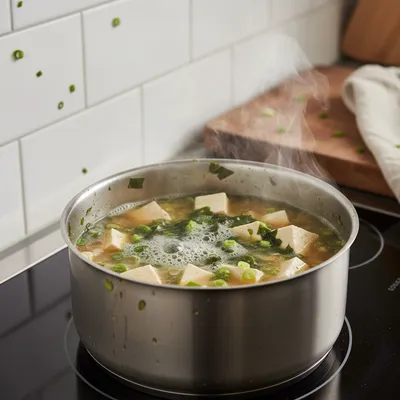
Stir in the dried wakame seaweed and the grated ginger. Let them simmer for about 2 to 3 minutes until the seaweed has expanded and softened.
Turn the heat down to low. Scoop your miso paste into a small strainer or bowl and slowly whisk in a ladle of the hot broth until the paste is completely smooth and dissolved. Stir this mixture back into the pot.
Gently slide in the cubed tofu. Let it warm through for about one minute—just enough to take the chill off without breaking the cubes.
Remove from heat immediately. Ladle the soup into bowls and garnish with a generous pinch of sliced green onions.
Notes & Tips
-
1
If you're using a very salty miso, skip the sugar and add a splash of water to dilute it.
-
2
For a heartier meal, this pairs beautifully with a side of steamed rice.
-
3
Always store your miso paste in a plastic or glass container, as the salt can react with metal.
Tools You'll Need
-
Medium saucepan
-
Whisk
-
Small strainer
-
Knife and cutting board
-
Measuring spoons
-
Ladle
Must-Know Tips
-
Do not boil the miso, as it ruins the flavor and nutrients.
-
Prep tofu carefully to keep the shapes clean.
-
Use a strainer to incorporate the paste for a silky broth.
Professional Secrets
-
Temperature control is key; keeping the soup just below boiling preserves the aroma.
-
Adding a tiny bit of ginger cuts through the saltiness for a brighter profile.
-
Using kombu-based dashi gives a cleaner, more authentic 'ocean' taste.

Recipe by
Amelia HartChef Amelia Hart is a dessert enthusiast who loves creating elegant cakes, cookies, and baked treats. Her baking style combines classic pastry techniq ...
Get Delicious Recipes Weekly
Join 25,000+ home cooks getting our best recipes straight to their inbox.
Free forever • No spam • Unsubscribe anytime