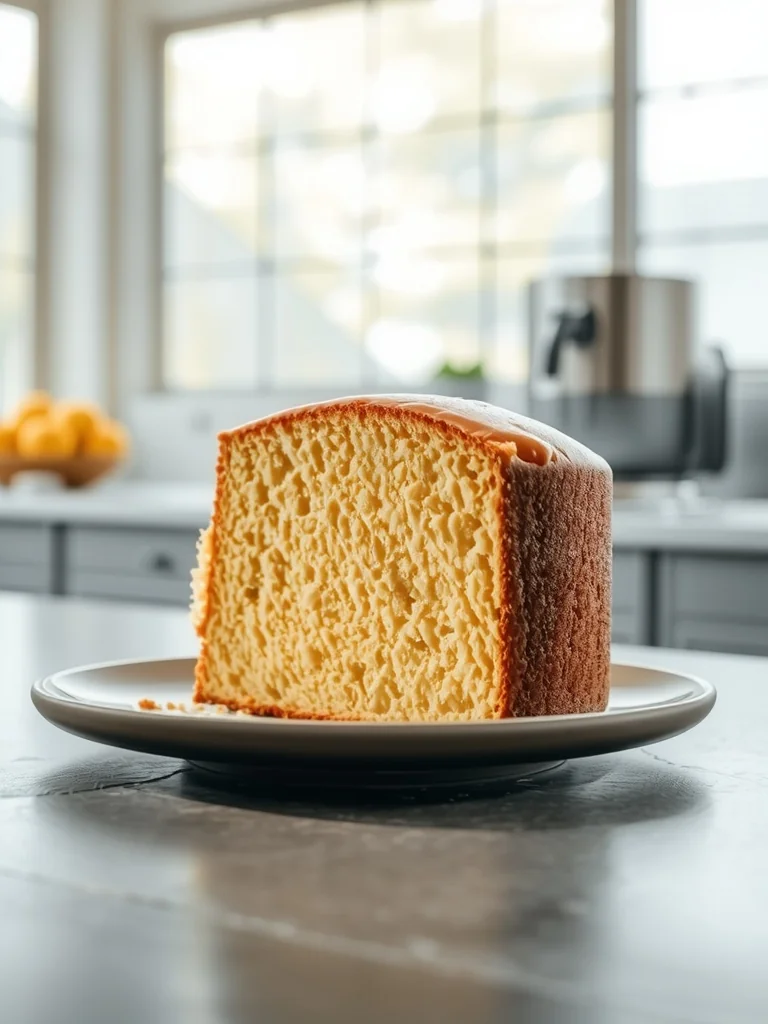
Pound cake traces its roots to the early nineteenth century, originally defined by a pound each of flour, butter, eggs, and sugar. Over time bakers have softened the formula, but the heart of the cake—its dense, buttery nature—remains unchanged. This recipe honors that heritage while offering a tender crumb that welcomes both tradition and modern kitchens alike.
Why You'll Love It
-
- Timeless flavor that never feels outdated
-
- Simple pantry staples, no fancy equipment
-
- Moist crumb that stays soft for days
-
- Beautiful golden crust that looks as good as it tastes
"The most buttery, melt‑in‑your‑mouth pound cake I've ever baked—my family begged for seconds!"
Essential Ingredient Guide
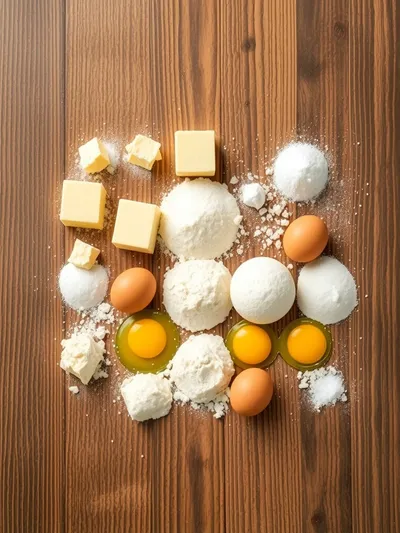
- All‑purpose flour: Provides the structure; sift to avoid lumps and keep the cake light.
- Unsalted butter: Creates richness and the signature buttery aroma; bring to room temperature for easier creaming.
- Granulated sugar: Adds sweetness and helps trap air during creaming, contributing to a tender crumb.
- Large eggs: Acts as a binder and adds moisture; beat gently to incorporate without over‑mixing.
- Sour cream: Introduces a subtle tang and moisture; keeps the cake moist for longer.
- Pure vanilla extract: Adds a warm, comforting flavor that ties all the ingredients together.
 Desserts & Baking
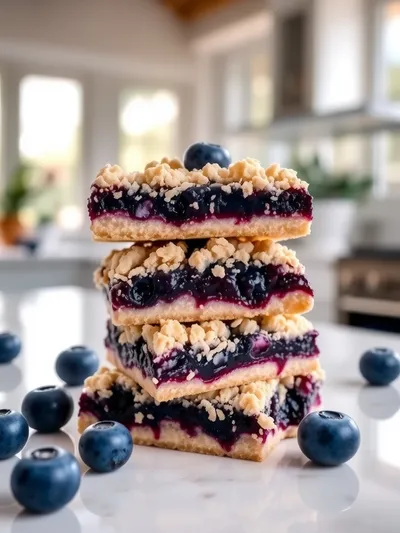
Blueberry Crumble Bars – Easy Homemade Dessert
Buttery blueberry crumble bars that are easy to bake and delightful to share.
Complete Cooking Process
-
Ingredient Readiness:
Measure and sift flour, soften butter, and bring eggs to room temperature before you start.
-
Flavor Development:
Cream butter and sugar until pale and fluffy, then add eggs one at a time to build an airy base.
-
Texture Control:
Fold in flour and sour cream gently; over‑mixing can toughen the crumb.
-
Finishing Touches:
Spread batter evenly, smooth the top, and bake until the crust turns a deep golden.
-
Serving Timing:
Allow the cake to cool in the pan for ten minutes, then transfer to a rack to finish cooling.
-
Use a kitchen scale for precise measurements.
-
Line the pan with parchment for easier removal.
-
Rotate the pan halfway through baking for even color.
-
Store sliced cake wrapped in foil to retain moisture.
Pro Tips
Honestly, these little adjustments make a world of difference. When the cake is wrapped snugly, the buttery flavor stays soft, and the crust retains that gentle crispness. I’ve found that a quick taste right after it cools reveals the true depth of the vanilla and the tenderness that only a well‑balanced pound cake can give.
The essence of the dish:
It’s about a steady, comforting crumb that holds together without being heavy; the butter provides richness, while the sour cream keeps it moist.
A fun fact or historical angle:
Originally, a true pound cake required a literal pound of each core ingredient, which made it a celebration of abundance.
Flavor or sensory focus:
You’ll notice the sweet aroma of vanilla rising as the cake bakes, the golden crust crackling softly when you slice into it, and the melt‑in‑your‑mouth texture that lingers.
You Must Know
-
Do not over‑mix once flour is added.
-
Room‑temperature eggs blend better.
-
Check doneness with a thin toothpick.
Frequently Asked Questions
→ Can I substitute butter with oil?
You can, but butter gives the signature flavor and crust. If you must, use a neutral oil and add a tablespoon of melted butter for taste.
→ How long will the cake stay fresh?
Wrapped tightly, it stays moist for up to four days at room temperature, or longer if refrigerated.
→ Can I add citrus zest?
Absolutely—lemon or orange zest brightens the flavor. Try a teaspoon of lemon zest for a subtle lift.
→ Is it okay to use melted butter?
Melted butter changes the texture; creamed butter is essential for that light, airy crumb.
→ Do I need to grease the pan?
Yes, and line with parchment. It helps the cake release cleanly without sticking.
→ Can I make this cake gluten‑free?
Swap the all‑purpose flour for a gluten‑free blend; the texture stays just as tender.
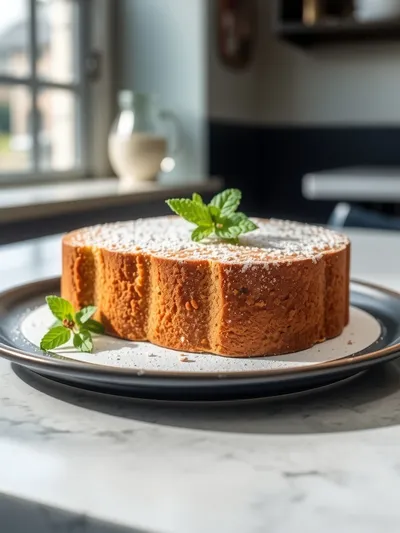
Nutrition Facts
per serving
420
Calories
6g
Protein
48g
Carbs
22g
Fat
Taste Profile
Rich, buttery sweetness with a gentle vanilla backdrop
Ingredient Substitutions
Don't have an ingredient? Try these alternatives
Margarine works but may alter flavor; oil reduces richness.
Provides similar tanginess with a bit more protein.
Recipe Variations
Try these delicious twists on the original
Spicy Version
Add 1 tsp ground cinnamon and a pinch of nutmeg for a warm spice twist.
Mediterranean Style
Stir in 1/3 cup chopped pistachios and a drizzle of honey after baking.
Common Mistakes to Avoid
Learn from others' mistakes for perfect results
- Over‑mixing after flour addition, leading to a dense crumb.
- Opening the oven too often, causing the cake to sink.
- Using cold butter, which prevents proper aeration.
Meal Prep & Storage
Make Ahead Tips
You can bake the pound cake a day ahead and store it wrapped. Gently reheat slices in the oven for a few minutes before serving.
Leftover Ideas
Reheat gently in a skillet with a pat of butter; it revives the crust’s crispness.
Perfect Pairings
Serve this with...
Cooking Timeline
Preheat oven, prepare pan, and gather all ingredients.
Cream butter and sugar until light and fluffy.
Add eggs one at a time, then vanilla; mix gently.
Fold in dry ingredients and sour cream alternately.
Bake the cake, rotating pan halfway for even color.
Cool in pan, then invert onto rack to finish cooling.
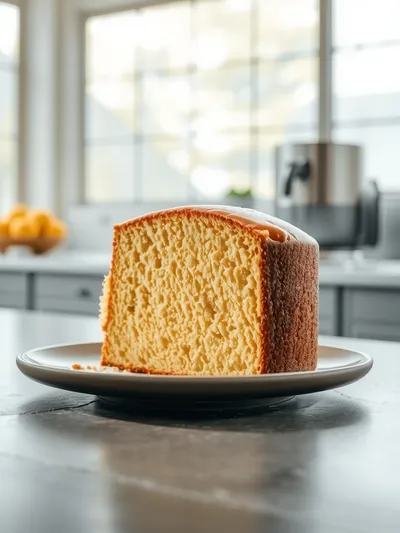
Classic Pound Cake
A timeless, classic pound cake that feels like a warm hug—soft, buttery crumb, just a hint of vanilla, and a golden crust that whispers of home baking.
Timing
Prep Time
20 Minutes
Cook Time
45 Minutes
Total Time
1 Hour 5 Minutes
Recipe Details
Ingredients
Main Ingredients
-
01
2 cups all‑purpose flour
-
02
1 cup unsalted butter, softened
-
03
1 cup granulated sugar
-
04
4 large eggs, room temperature
-
05
1 cup sour cream
-
06
2 tsp pure vanilla extract
-
07
1/2 tsp baking powder
-
08
1/4 tsp salt
Optional Add‑Ins
-
01
Zest of one lemon (see lemon pound cake)
-
02
1/2 cup toasted sliced almonds
Instructions
Preheat the oven to 325°F (165°C). Grease a 9‑inch bundt pan and line with parchment.
In a large bowl, cream the softened butter and sugar together until pale and fluffy, about 3‑4 minutes.
Add eggs one at a time, beating gently after each addition, then stir in vanilla.
In a separate bowl whisk together flour, baking powder, and salt. Gradually fold the dry mix into the butter mixture, alternating with sour cream, until just combined.
If using, fold in lemon zest or toasted almonds. Pour batter into the prepared pan, smooth the top, and bake for 45‑55 minutes, or until a toothpick comes out clean.
Allow the cake to cool in the pan for 10 minutes, then invert onto a rack to finish cooling completely.
Notes & Tips
-
1
Do not over‑mix after adding flour; it can make the cake dense.
-
2
If the top browns too quickly, tent with foil halfway through baking.
-
3
For an extra buttery crust, brush the top with melted butter as soon as it comes out of the oven.
Tools You'll Need
-
9‑inch bundt pan
-
Electric mixer
-
Large mixing bowl
-
Spatula
-
Measuring cups and spoons
-
Cooling rack
Must-Know Tips
-
Room‑temperature butter creams better, creating an airy base.
-
Sift flour to avoid lumps and keep the crumb tender.
-
Check doneness with a thin toothpick placed near the center.
Professional Secrets
-
Use butter at exactly room temperature for a perfect emulsion.
-
Rotate the pan halfway through baking for an even golden crust.
-
Let the cake rest before slicing; it finishes setting its texture.
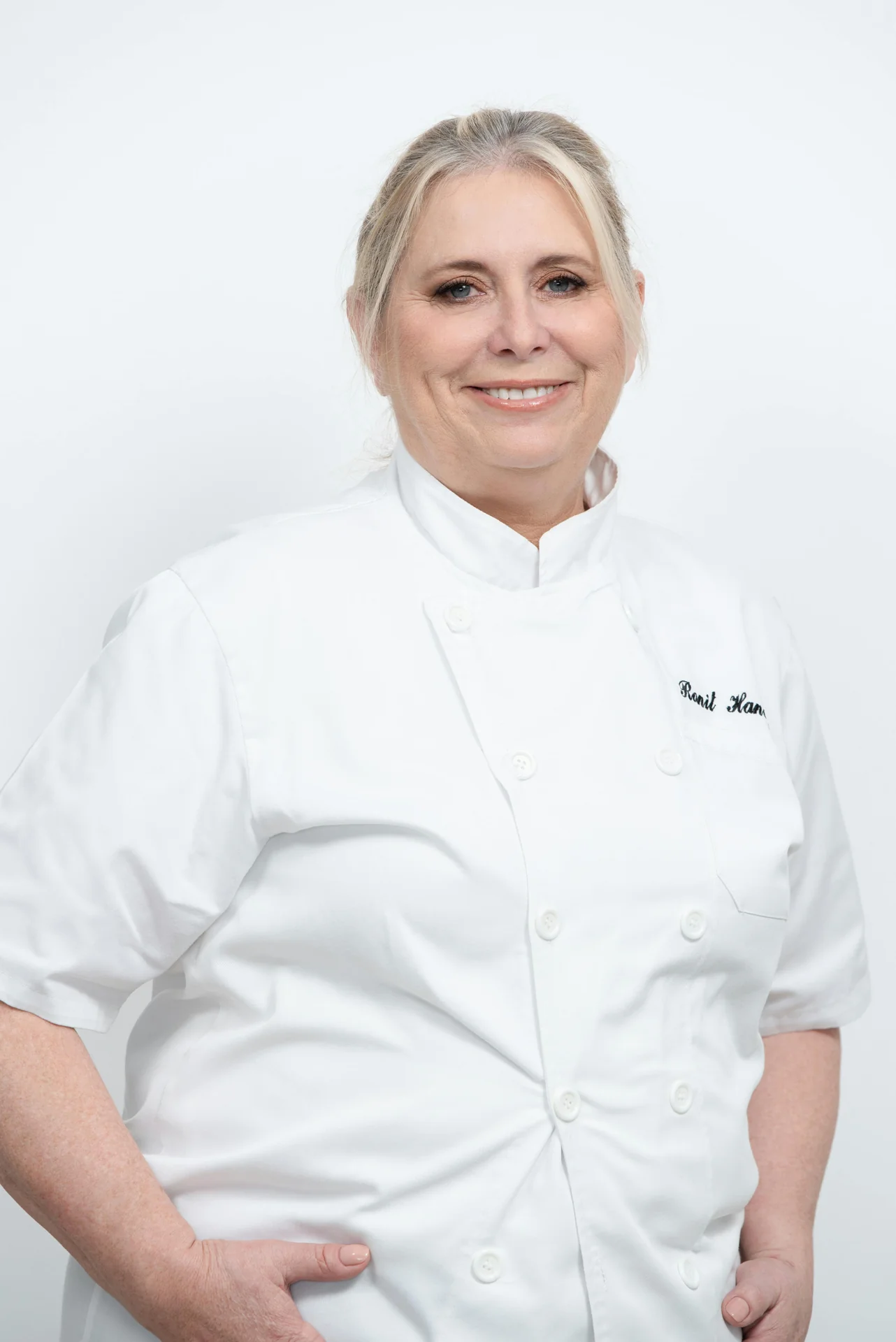
Recipe by
Amelia HartChef Amelia Hart is a dessert enthusiast who loves creating elegant cakes, cookies, and baked treats. Her baking style combines classic pastry techniq ...
Get Delicious Recipes Weekly
Join 25,000+ home cooks getting our best recipes straight to their inbox.
Free forever • No spam • Unsubscribe anytime