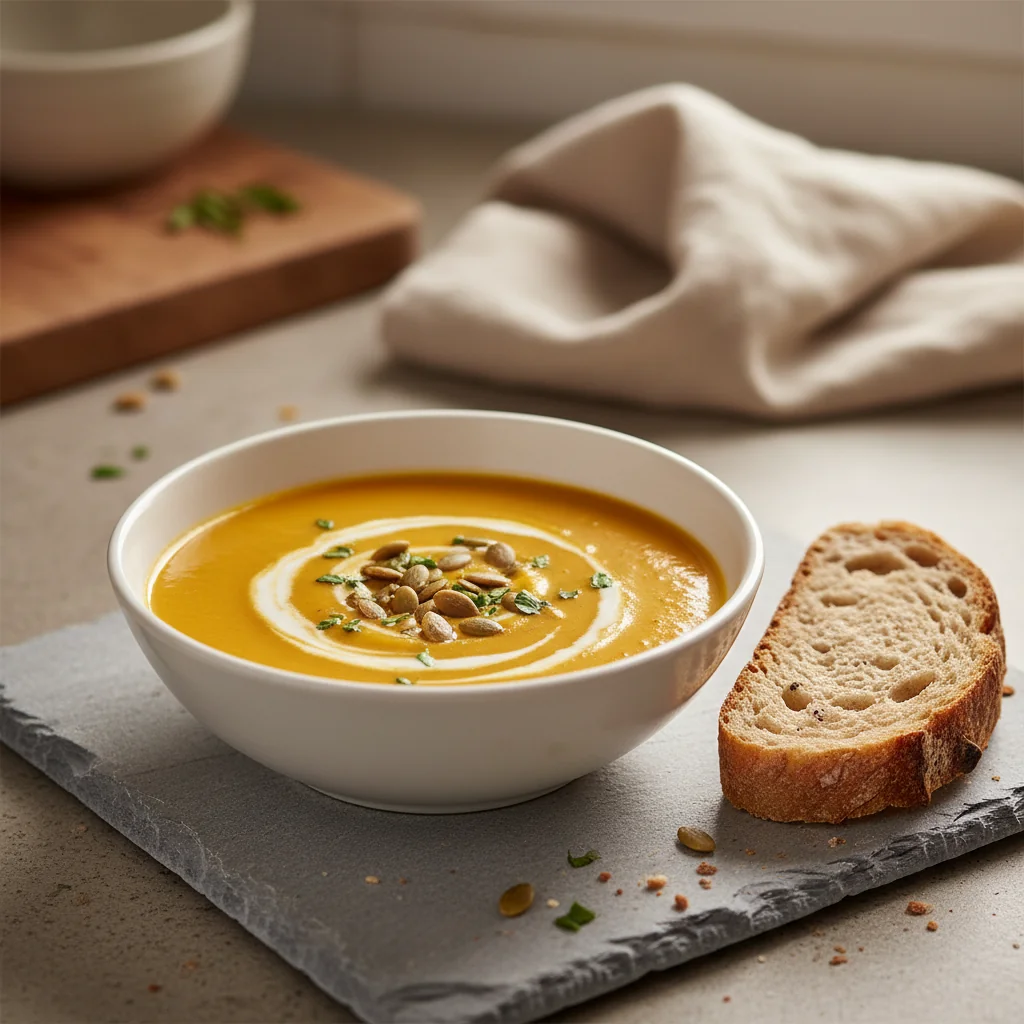
Butternut squash, a cultivar of Cucurbita moschata, became a staple of North American autumns due to its exceptional storage capabilities and natural sweetness. Originating from the diverse squash varieties of Central and South America, this specific vegetable was prized by early settlers for its nutrient density. Over time, the practice of roasting the squash to caramelize its natural sugars before simmering it into a puree became the gold standard for achieving a rich, velvety texture in traditional vegetable soups.
Why You'll Love It
-
- The texture is incredibly silky and luxurious without needing heavy creams
-
- It uses naturally sweet vegetables that satisfy a craving for comfort
-
- It's a wonderful way to use seasonal produce at its peak ripeness
-
- The preparation is slow and meditative, filling the whole house with a sweet scent
This soup is an absolute dream. It's so silky and smooth, and the subtle sweetness is just perfect for a cozy night in.
Essential Ingredient Guide
- Butternut Squash: Look for a squash with a matte skin and a heavy feel for its size. I find that roasting it first brings out a depth of flavor you just can't get by boiling.
- Vegetable Broth: A low-sodium broth allows you to control the salt levels. It provides the savory backbone that balances the sweetness of the squash.
- Maple Syrup: Just a tiny bit. It doesn't make the soup a dessert; it just wakes up the natural sugars in the vegetable. Real syrup is best, if you have it.
- Fresh Sage: Sage has this earthy, almost pine-like scent that cuts through the richness. Add it early to let the flavor steep.
- Lemon Juice: A squeeze at the very end. It's the secret to making the soup taste bright rather than heavy.
- Olive Oil: Use a good quality extra virgin oil for roasting. It adds a subtle fruity note to the base of the soup.

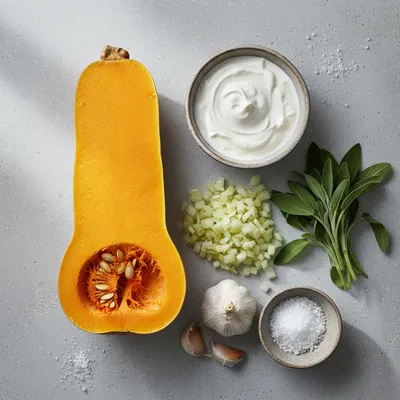
Complete Cooking Process
-
Ingredient Readiness:
The squash should be peeled and cubed into even pieces so they roast at the same rate. I like to let my onions sit for a minute after chopping to let the sharp scent settle.
-
Flavor Development:
The real magic happens in the oven when the squash edges turn a golden brown. Then, sautéing the aromatics in the pot creates a fragrant base that anchors the whole dish.
-
Texture Control:
Blending is the critical part. I prefer an immersion blender for that rustic feel, but a stand blender gives you that professional, air-light smoothness.
-
Finishing Touches:
Adding the touch of lemon and a swirl of olive oil right before the bowl hits the table. It's the little things that make it feel special.
-
Serving Timing:
Best served immediately while steaming, though it's even better the next day after the flavors have had time to get to know each other.
-
Don't throw away the seeds; roast them for a crunchy topper
-
If the soup is too thick, add broth a tablespoon at a time
-
Sauté the sage in butter for a minute before adding broth
-
Use a pinch of nutmeg to add a hidden layer of warmth
Pro Tips
I remember one time I rushed the roasting process and the squash was just... pale. It worked, I mean, but it lacked that soulful, caramelized taste. So, please, just give it the time it needs in the oven. Patience is the most important ingredient here.
Also, if you find yourself with extra squash, you might enjoy trying a squash gratin for a different kind of comfort.
The essence of the dish:
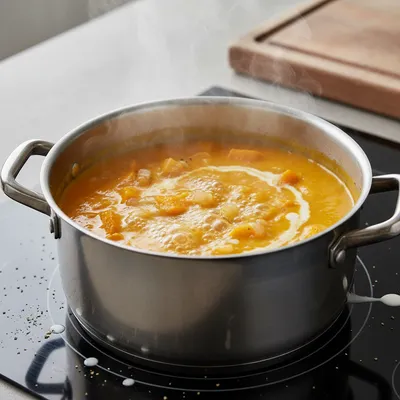
What makes this butternut squash soup special is the balance. It's a dance between the natural sweetness of the gourd, the saltiness of the broth, and the bright acidity of the lemon. It feels nourishing in a way that only homemade food can.
A fun fact or historical angle:
Did you know that butternut squash is technically a fruit? But we treat it as a vegetable because of its savory profile, making it a versatile star in farmhouse recipes.
Flavor or sensory focus:
The first thing you'll notice is the scent—warm, earthy, and slightly sweet. Then comes the texture, which is like velvet on the tongue, followed by a gentle warmth that spreads through your chest.
You Must Know
-
Roasting is non-negotiable for the best flavor profile
-
Always taste for salt before blending
-
Keep the heat low when simmering to avoid scorching
Frequently Asked Questions
→ Can I make this without a blender?
It's difficult to get the 'creamy' effect without blending, but you can mash the roasted squash very thoroughly with a fork for a chunkier, rustic style.
→ How do I store the leftovers?
Keep it in an airtight container in the fridge for up to 4 days. It actually tastes better on day two.
→ Can I freeze this soup?
Yes, it freezes beautifully. Just leave a little room at the top of the container for expansion.
→ What if I don't have maple syrup?
A teaspoon of honey or brown sugar works just as well, though maple is the most traditional.
→ Is this soup vegan?
Yes, as long as you use vegetable broth and olive oil instead of butter.
→ Can I add other vegetables?
Absolutely. Carrots or parsnips blend in perfectly. You might even like a carrot soup for a change.
Nutrition Facts
per serving
210
Calories
5g
Protein
28g
Carbs
8g
Fat
Taste Profile
A balanced, earthy sweetness with a bright, citrusy finish.
Ingredient Substitutions
Don't have an ingredient? Try these alternatives
Pumpkin is softer and may require slightly less roasting time.
Honey is slightly stronger, so use a little less.
Recipe Variations
Try these delicious twists on the original
Curried Squash Soup
Add 1 tablespoon of yellow curry powder with the garlic for a warming, spicy twist.
Apple-Squash Blend
Roast one peeled apple alongside the squash for a fruitier, tart flavor profile.
Common Mistakes to Avoid
Learn from others' mistakes for perfect results
- Adding lemon juice too early, which can dull the flavor
- Over-processing in the blender, which can make the soup too airy
- Using too much maple syrup, masking the vegetable taste
Meal Prep & Storage
Make Ahead Tips
You can roast the squash and prepare the base up to two days in advance. Just blend and add the lemon juice on the day you serve it.
Leftover Ideas
Reheat gently in a pot over low heat, adding a splash of water or broth if it has thickened too much in the fridge.
Perfect Pairings
Serve this with...
Cooking Timeline
Prep and toss squash with oil; put in oven.
Sauté onions, garlic, and sage in the pot.
Add broth and syrup, simmer gently.
Remove squash from oven, add to pot, and blend.
Final seasoning with lemon and serve.

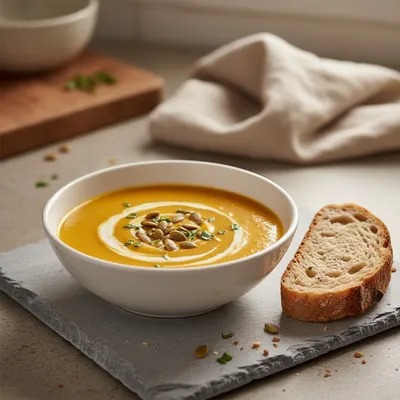
Creamy Butternut Squash Soup Recipe
A velvety, warming bowl of goodness. This butternut squash soup is blended to perfection with a hint of maple and aromatic herbs.
Timing
Prep Time
20 Minutes
Cook Time
45 Minutes
Total Time
65 Minutes
Recipe Details
Ingredients
For Roasting
-
01
1 medium butternut squash, peeled and cubed
-
02
2 tbsp olive oil
-
03
1/2 tsp salt
-
04
1/4 tsp black pepper
For the Soup
-
01
1 tbsp olive oil or butter
-
02
1 yellow onion, diced
-
03
3 cloves garlic, minced
-
04
4 cups vegetable broth
-
05
1 tsp fresh sage, chopped
-
06
1 tbsp maple syrup
-
07
1 tbsp lemon juice
-
08
Salt and pepper to taste
Instructions
Preheat your oven to 400°F. Toss the cubed squash with olive oil, salt, and pepper on a large baking sheet. Spread them out so they aren't crowding each other. Roast for about 25-30 minutes until the edges are soft and browned.
While the squash is roasting, heat a bit of oil in a large pot over medium heat. Add the onion and cook it slowly until it's translucent and soft—don't rush this, let it get sweet.
Stir in the minced garlic and fresh sage. Let them sizzle for just a minute until the smell fills your kitchen. Wow, that's the best part.
Pour in the vegetable broth and the maple syrup. Bring it to a gentle simmer, then turn the heat down and let it bubble softly for about 10 minutes.
Carefully add the roasted squash into the pot. Use an immersion blender to blend until smooth, or transfer to a blender in batches. Be careful with the steam, it's hot!
Stir in the lemon juice. Taste it—this is where you decide if it needs a bit more salt or pepper. Let it sit for a moment to settle.
Notes & Tips
-
1
If you have a very large squash, you may need an extra cup of broth to get the consistency right.
-
2
For a richer version, stir in a tablespoon of heavy cream or coconut milk at the very end.
-
3
Make sure to peel the squash thoroughly; the skin can sometimes leave little green bits in the soup.
Tools You'll Need
-
Baking sheet
-
Large stockpot
-
Immersion blender or stand blender
-
Chef's knife
-
Peeler
-
Wooden spoon
Must-Know Tips
-
Dry the squash after peeling to ensure it roasts rather than steams
-
Don't boil the soup vigorously after blending, or it might separate
-
Taste the squash before adding it to the pot to ensure it's fully cooked
Professional Secrets
-
Roasting the aromatics with the squash for a deeper flavor profile
-
Using a touch of acidity to cut through the natural starchiness
-
Passing the blended soup through a fine-mesh sieve for a restaurant-grade finish

Recipe by
Daniel GreenfieldChef Daniel Greenfield focuses on nutritious meals made with fresh and wholesome ingredients. His recipes are designed for people who want to eat heal ...
Get Delicious Recipes Weekly
Join 25,000+ home cooks getting our best recipes straight to their inbox.
Free forever • No spam • Unsubscribe anytime