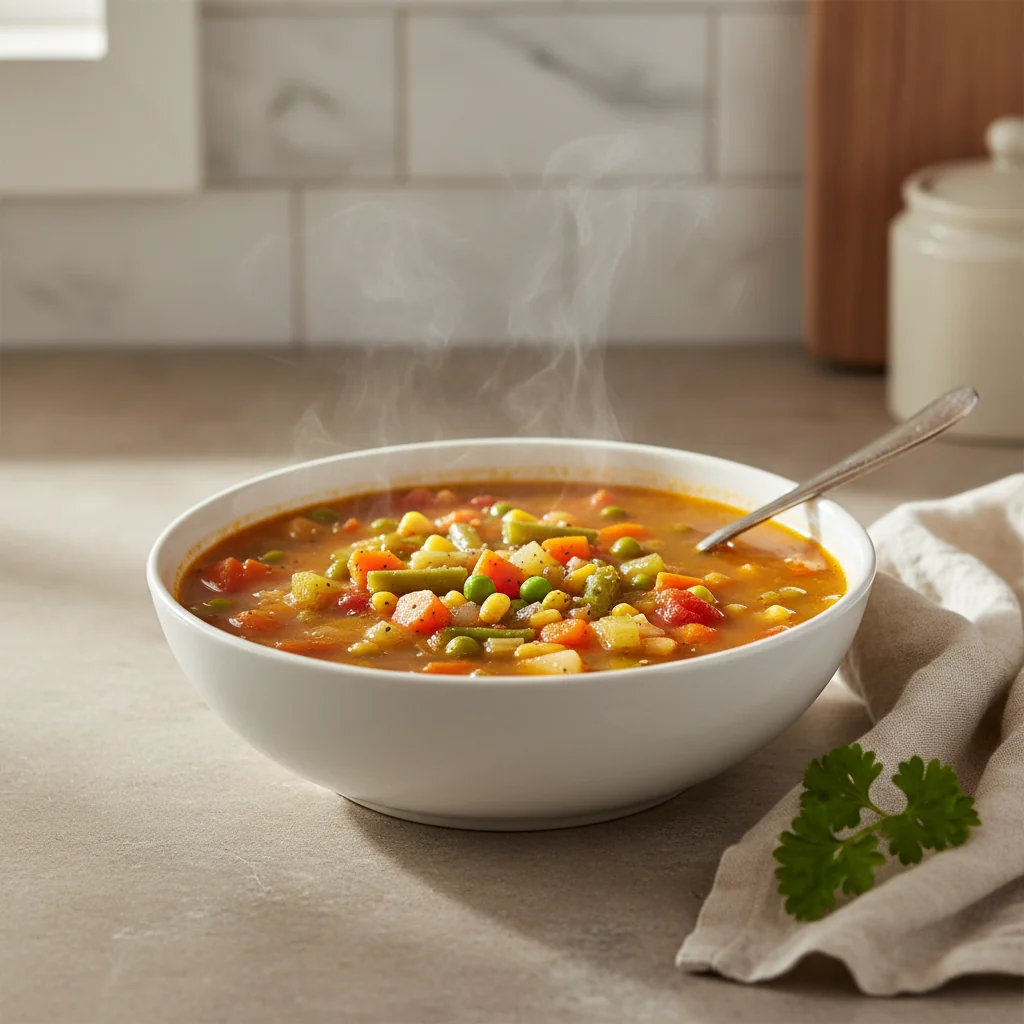
Vegetable soups have been a staple of home cooking for centuries, evolving from humble peasant pottages in Europe to sophisticated garden blends. Historically, these soups served as a way to stretch seasonal harvests, utilizing root vegetables and legumes to provide essential nutrients during leaner months. The tradition of the 'perpetual stew,' which simmered for days with new ingredients added daily, highlights the cultural significance of the soup pot as a center of domestic sustenance and community sharing.
Why You'll Love It
-
- It uses simple, everyday vegetables you likely already have in your crisper drawer.
-
- The broth is light yet deeply flavorful, making it a guilt-free comfort meal.
-
- It's incredibly flexible; you can toss in whatever seasonal greens you have.
-
- One pot means very little cleanup, so you can actually relax after eating.
This soup is exactly what I needed. It tastes like my grandmother's kitchen, just pure and comforting.
Essential Ingredient Guide
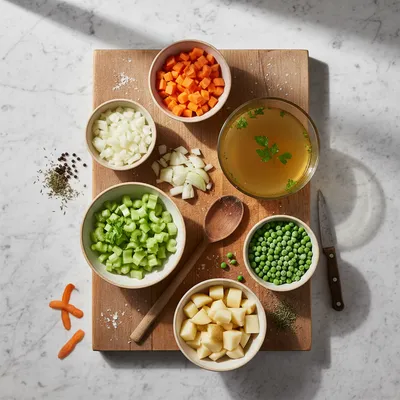
- Carrots and Celery: These form the aromatic base. I prefer cutting them into rough, uneven chunks—it gives the soup a more rustic, homemade feel.
- Potatoes: Use a waxy potato if you want them to hold their shape, or a russet if you want them to break down slightly and thicken the broth.
- Fresh Spinach or Kale: Add these at the very end. They only need a minute of heat to wilt, and that keeps their bright, healthy color.
- Dried Thyme and Oregano: These herbs add an earthy depth. I remember when I first started cooking, I'd put too much in, but a pinch is usually plenty.
- Lemon Juice: A tiny squeeze right before serving wakes up all the other flavors. It's like a little spark of light in a cozy bowl.
- Olive Oil: Use a good quality extra virgin oil to sauté your vegetables; it adds a subtle richness to the overall base.
 Desserts & Baking
Blueberry Crumble Bars – Easy Homemade Dessert
Buttery blueberry crumble bars that are easy to bake and delightful to share.
Complete Cooking Process
-
Ingredient Readiness:
Start by gathering everything. Chop your carrots, celery, and onions into bite-sized pieces. I like to let my potatoes sit in cold water for a few minutes to remove excess starch so the soup doesn't get too cloudy.
-
Flavor Development:
The magic happens when you sauté the onions and carrots until they are soft and translucent. This is where the sweetness comes from. Don't rush this part; let them gently sizzle until the kitchen smells like a garden.
-
Texture Control:
The potatoes should be simmered until they are tender but not mushy. If you're making something like a celery potato soup, you might blend it, but here we want the chunks.
-
Finishing Touches:
Stir in your greens and a splash of lemon juice. This is the moment where the soup transforms from a simple broth into a vibrant, balanced meal.
-
Serving Timing:
I find this soup is best served immediately, but it's even better the next day after the flavors have had a chance to get to know each other in the fridge.
-
Sauté the vegetables in batches if your pot is small to avoid steaming them.
-
Use a low-sodium broth so you can control the salt yourself at the end.
-
Add a pinch of sugar if the tomatoes or carrots are too acidic.
-
Don't overcook the greens; they should be vibrant, not brown.
Pro Tips
Well, look, there's no one right way to make a soup. Cooking is more about feeling than following a map. I've had days where I accidentally added too much garlic, and honestly, it just made the soup more interesting.
Just remember to taste as you go. A little bit of salt here, a crack of pepper there... that's how you make it yours. It's the little human imperfections that make a meal feel real.


The essence of the dish:
What makes this vegetable soup special is its simplicity. It doesn't try to be anything other than a nourishing bowl of warmth. It's the kind of meal that settles your stomach and calms your mind after a hectic day.
A fun fact or historical angle:
Did you know that in many cultures, vegetable soup was known as 'the poor man's feast'? It was a way to turn a few scraps of garden produce into a meal that could feed an entire family.
Flavor or sensory focus:
When you take your first sip, you'll notice the sweetness of the carrots and the earthy heartiness of the potatoes, all tied together by a bright, citrusy finish.
You Must Know
-
Cut vegetables into uniform sizes so they cook evenly.
-
Simmer on low heat; boiling too hard can break the vegetables apart.
-
Always add fresh herbs at the end for maximum aroma.
Frequently Asked Questions
→ Can I freeze this vegetable soup?
Yes, you can! I suggest leaving the potatoes out if you plan to freeze it, as they can get a bit grainy. Just add fresh ones when you reheat.
→ What can I use instead of vegetable broth?
Chicken broth works wonderfully for a richer taste, or you can use water with a bit more salt and herbs.
→ How do I stop my vegetables from getting mushy?
Add the heartiest vegetables first (carrots, onions) and the softer ones later (peas, spinach). Keep the heat at a gentle simmer.
→ Can I add beans to this recipe?
Absolutely. A can of cannellini beans would be lovely. If you love beans, you might also like a Tuscan white bean soup.
→ Is this soup vegan?
Yes, as long as you use a vegetable-based broth and olive oil, it is completely plant-based.
→ How long does it keep in the fridge?
It stays fresh for about 4 to 5 days in an airtight container. It actually tastes better on day two!
Nutrition Facts
per serving
180
Calories
8g
Protein
24g
Carbs
6g
Fat
Taste Profile
Savory and earthy with a light, refreshing citrus finish.
Ingredient Substitutions
Don't have an ingredient? Try these alternatives
Adds a slightly peppery, sweeter flavor to the base.
These greens are heartier and may need an extra 2 minutes to cook.
Recipe Variations
Try these delicious twists on the original
Hearty Protein Version
Add a can of lentils or try a dedicated lentil vegetable soup for more protein.
Beefy Comfort
Brown some beef cubes first, then follow the rest of the steps for an ultimate vegetable beef soup.
Common Mistakes to Avoid
Learn from others' mistakes for perfect results
- Using a boil instead of a simmer, which makes the vegetables fall apart.
- Adding the spinach too early, which makes it turn a dull, brown color.
- Forgetting to sauté the aromatics, resulting in a 'boiled' taste rather than a rich one.
Meal Prep & Storage
Make Ahead Tips
This soup is wonderful for meal prep. You can chop all the vegetables the day before and store them in a container. The soup itself keeps beautifully for several days.
Leftover Ideas
Reheat on the stovetop over low heat. If the soup has thickened too much, just add a splash of water or broth to loosen it up.
Perfect Pairings
Serve this with...
Cooking Timeline
Prep and chop all the vegetables.
Sauté onions, carrots, and celery until soft.
Add garlic and herbs, then pour in broth and tomatoes.
Add potatoes and simmer until tender.
Stir in greens and lemon juice; season and serve.


Easy Vegetable Soup Recipe for a Healthy Meal
A comforting and nourishing vegetable soup that brings together the garden's best in one pot. Perfect for a quiet weeknight dinner.
Timing
Prep Time
20 Minutes
Cook Time
30 Minutes
Total Time
50 Minutes
Recipe Details
Ingredients
Fresh Produce
-
01
2 tbsp olive oil
-
02
1 large onion, diced
-
03
3 carrots, sliced into rounds
-
04
3 stalks celery, sliced
-
05
3 medium potatoes, cubed
-
06
2 cloves garlic, minced
-
07
2 cups fresh spinach or kale
-
08
1 tsp salt (or to taste)
-
09
1/2 tsp black pepper
Pantry & Liquids
-
01
8 cups vegetable broth
-
02
1 can (14.5 oz) diced tomatoes
-
03
1 tsp dried thyme
-
04
1 tsp dried oregano
-
05
1 tbsp lemon juice
Instructions
Heat the olive oil in a large pot over medium heat. Toss in your onion, carrots, and celery. Sauté them gently for about 5 to 7 minutes until they start to soften and the onion looks a bit clear.
Stir in the minced garlic, thyme, and oregano. Just cook them for about a minute—just until you can really smell that garlic hitting the oil. Don't let it burn, or it'll get bitter.
Pour in the diced tomatoes with their juices and the vegetable broth. Bring the whole thing to a gentle boil, then turn the heat down to low.
Carefully slide in the cubed potatoes. Cover the pot and let it simmer for about 15 to 20 minutes, or until the potatoes are tender when you poke them with a fork.
Stir in the spinach or kale and let it wilt for just a minute. Finally, stir in the lemon juice, salt, and pepper. Taste it—maybe it needs a pinch more salt? Trust your tongue here.
Notes & Tips
-
1
For a creamier version, you can stir in a splash of coconut milk or try a creamy vegetable soup instead.
-
2
If you have leftover herbs in the fridge, like parsley or cilantro, chop them up and sprinkle them on top at the end.
-
3
To make it heartier, you can add a handful of cooked pasta or brown rice.

Tools You'll Need
-
Large stockpot
-
Wooden spoon
-
Chef's knife
-
Cutting board
-
Measuring cups and spoons
Must-Know Tips
-
Don't overcook the potatoes, or they'll dissolve into the broth and make it thick.
-
Use a wide pot to ensure the vegetables sauté evenly rather than steaming in a pile.
-
Taste the broth before adding salt, as some store-bought broths are already very salty.
Professional Secrets
-
Sautéing aromatics first creates a flavor base called a mirepoix, which is the secret to deep soup flavors.
-
Adding an acid like lemon juice at the end cuts through the starch of the potatoes and brightens the dish.
-
Using a simmer instead of a boil preserves the texture of the vegetables.

Recipe by
Daniel GreenfieldChef Daniel Greenfield focuses on nutritious meals made with fresh and wholesome ingredients. His recipes are designed for people who want to eat heal ...
Get Delicious Recipes Weekly
Join 25,000+ home cooks getting our best recipes straight to their inbox.
Free forever • No spam • Unsubscribe anytime