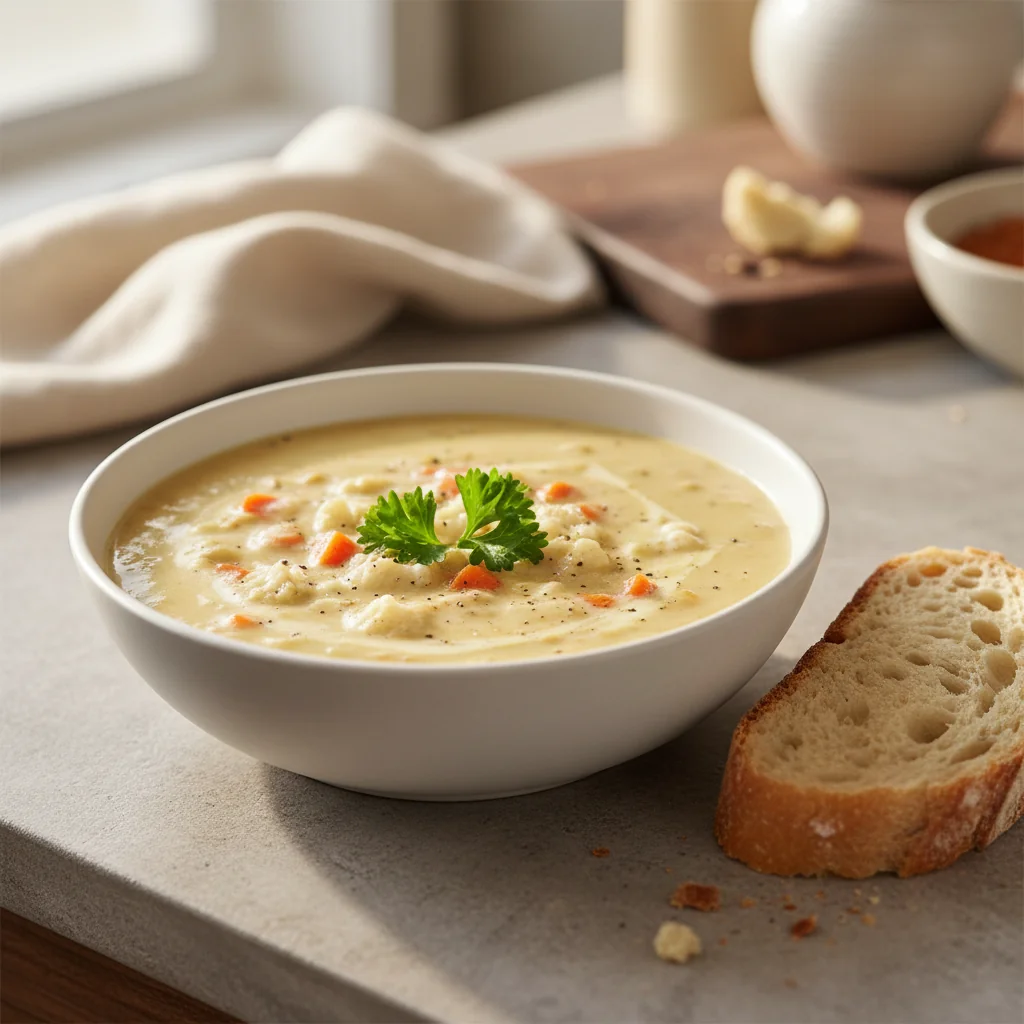
Cauliflower has long been valued in European cuisine for its versatility and ability to mimic creamier textures without the need for heavy fats. Historically, pureed vegetable soups were staples in rural households, utilizing the harvest of the autumn months to provide sustenance through the colder seasons. The technique of simmering brassicas with aromatic root vegetables and blending them into a smooth consistency reflects a timeless culinary tradition of maximizing nutrition and flavor from simple, earth-grown ingredients.
Why You'll Love It
-
- The natural creaminess of the cauliflower makes it feel indulgent without the heavy calories.
-
- It uses simple, pantry-stable ingredients that you likely already have in your kitchen.
-
- It's incredibly soothing, making it perfect for those cozy winter meals.
-
- It blends into a professional-level texture with just a simple home blender.
"It's so velvety and smooth. I can't believe it's this healthy; it tastes like a treat every time."
Essential Ingredient Guide
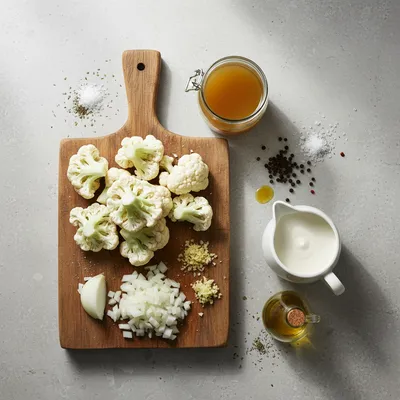
- Fresh Cauliflower: Choose a head that is heavy for its size and bright white. Avoid any with brown spots, as they change the flavor.
- Yellow Onion: A sweet yellow onion provides a grounded base. Dice it small so it melts away into the soup.
- Vegetable Broth: Use a low-sodium version so you can control the salt yourself. It's the heart of the liquid base.
- Garlic: Freshly minced garlic adds a warmth that dried flakes just can't match. Don't let it burn!
- Lemon Juice: A tiny squeeze at the end cuts through the richness and wakes up all the other flavors.
- Olive Oil or Butter: This is for sautéing. Butter adds a richness, while olive oil keeps it a bit lighter.
 Desserts & Baking
Blueberry Crumble Bars – Easy Homemade Dessert
Buttery blueberry crumble bars that are easy to bake and delightful to share.
Complete Cooking Process
-
Ingredient Readiness:
Start by chopping your cauliflower into small, even florets. I usually take my time here, just humming to myself, making sure they aren't too big so they cook through evenly. Your onion and garlic should be finely diced and ready to go in a small bowl.
-
Flavor Development:
The magic happens when the onions turn translucent and the garlic starts to smell sweet. That's when the base of the soup is built. Adding the cauliflower and letting it soften slightly in the oil before adding the broth really deepens the taste.
-
Texture Control:
Simmering until the cauliflower is fork-tender is key. When you blend it, go slow. If it's too thick, just add a splash more broth. I like mine thick and velvety, almost like a bisque.
-
Finishing Touches:
Once blended, stir in that little bit of lemon juice and a pinch of black pepper. It's a small detail, but wow, it makes a difference in how bright the soup tastes.
-
Serving Timing:
Serve it immediately while it's steaming. If you're having a quick easy meal night, it pairs wonderfully with a crusty piece of toasted bread.
-
Don't boil the soup too vigorously; a gentle simmer keeps the flavor delicate.
-
If you have an immersion blender, use it right in the pot to save on cleanup.
-
Sauté the cauliflower for 5 minutes before adding broth for a nuttier flavor.
-
Stir in a dollop of Greek yogurt at the end for an extra tang.
Pro Tips
I've found over the years that patience is the secret ingredient. Rushing the onions or boiling the cauliflower too hard just doesn't give you that same depth of flavor. It's a slow process, but that's the beauty of it.
Also, don't be afraid to taste as you go. Every head of cauliflower is a little different, so you might need an extra pinch of salt or a bit more lemon than the recipe calls for. Just trust your tongue.


The essence of the dish:
What makes this soup special is its deceptive simplicity. It looks and tastes rich and creamy, but it's actually just the humble cauliflower doing all the heavy lifting. It's a dish that celebrates the vegetable's natural ability to become silky when blended.
A fun fact or historical angle:
Cauliflower is actually a cultivar of the wild cabbage. It was highly prized in the Roman Empire and later became a staple in French cuisine, where the technique of 'velouté' or velvety soups was perfected.
Flavor or sensory focus:
The first thing you'll notice is the smoothness. Then comes the mild, buttery taste of the cauliflower, followed by the subtle warmth of garlic and a tiny, bright spark of citrus at the very end.
You Must Know
-
Ensure the cauliflower is fully tender before blending, otherwise the soup will be grainy.
-
Be careful when blending hot liquids; leave space in the blender or vent the lid.
-
Avoid over-salting early on, as the broth reduces and concentrates the salt.
Frequently Asked Questions
→ Can I make this soup vegan?
Yes, absolutely. Just use olive oil instead of butter and ensure your vegetable broth is vegan-certified.
→ How do I store leftovers?
Keep it in an airtight container in the fridge for up to 4 days. It might thicken up, so just add a splash of water or broth when reheating.
→ Can I freeze cauliflower soup?
I wouldn't recommend it. Pureed vegetable soups can sometimes separate or change texture in the freezer. It's best enjoyed fresh.
→ What if I don't have a blender?
You can use a potato masher for a chunkier, more rustic version, though it won't be as creamy as the blended version.
→ Can I add cheese to this?
Yes, if you like something richer, check out cauliflower cheese for inspiration, or just stir in some parmesan at the end.
→ What can I serve with this?
A side of cauliflower fritters or a simple green salad works beautifully.
Nutrition Facts
per serving
160
Calories
6g
Protein
18g
Carbs
7g
Fat
Taste Profile
Mild, buttery, and comforting with a bright citrus finish.
Ingredient Substitutions
Don't have an ingredient? Try these alternatives
The texture will remain similar, though the flavor will be more earthy.
Adds a richer, meatier depth to the soup.
Recipe Variations
Try these delicious twists on the original
Roasted Version
Roast the cauliflower and garlic in the oven before simmering for a smokier flavor.
Curried Cauliflower
Add a teaspoon of curry powder when sautéing the onions for an aromatic twist.
Common Mistakes to Avoid
Learn from others' mistakes for perfect results
- Burning the garlic, which makes the soup taste bitter.
- Blending while the soup is boiling, which is dangerous.
- Adding the lemon juice too early, which can dull the brightness.
Meal Prep & Storage
Make Ahead Tips
You can make the soup up to 2 days in advance. Just reheat gently on the stove and stir in the lemon juice right before serving.
Leftover Ideas
Reheat in a small pot over low heat. If it's too thick, add a teaspoon of water to loosen it up.
Perfect Pairings
Serve this with...
Cooking Timeline
Prep all vegetables - dice onion, mince garlic, cut cauliflower.
Sauté onions and garlic until softened.
Sauté cauliflower until lightly browned.
Simmer with broth until cauliflower is tender.
Blend, season with lemon, and serve.


Homemade Cauliflower Soup
A gentle, creamy blend of simmered cauliflower and aromatics, creating a comforting bowl of warmth for any quiet evening.
Timing
Prep Time
15 Minutes
Cook Time
25 Minutes
Total Time
40 Minutes
Recipe Details
Ingredients
Main Ingredients
-
01
1 medium head of cauliflower, cut into florets
-
02
1 medium yellow onion, diced
-
03
3 cloves garlic, minced
-
04
4 cups vegetable broth
-
05
2 tbsp olive oil or unsalted butter
-
06
Salt and black pepper to taste
For the Finish
-
01
1 tbsp fresh lemon juice
-
02
Fresh parsley for garnish
-
03
A drizzle of olive oil
Instructions
Warm your oil or butter in a large pot over medium heat. Add the diced onion and cook for about 5 minutes until they are soft and see-through. Stir in the garlic and cook for just another minute until it smells wonderful.
Toss in the cauliflower florets. Let them sauté for about 5 to 7 minutes, stirring occasionally. You want them to get a little bit of color, which adds a deeper flavor to the final soup.
Pour in the vegetable broth. Bring the pot to a gentle boil, then turn the heat down to low. Cover the pot and let it simmer for about 15 to 20 minutes, or until the cauliflower is very soft.
Turn off the heat. Use an immersion blender to blend the soup until completely smooth. If using a traditional blender, carefully transfer the soup in batches, leaving room for the steam to escape.
Stir in the lemon juice and season with salt and pepper. Taste it—this is the most important part. Adjust the seasoning until it feels just right to you.
Ladle into warm bowls. Garnish with a sprinkle of fresh parsley and a tiny drizzle of olive oil for a bit of elegance.
Notes & Tips
-
1
For a heartier meal, you can add a diced potato during the simmering stage.
-
2
If the soup is too thick for your liking, simply stir in a bit more broth or water.
-
3
Using a high-quality vegetable broth makes a world of difference in the final taste.

Tools You'll Need
-
Large pot or Dutch oven
-
Chef's knife
-
Cutting board
-
Immersion blender or standard blender
-
Wooden spoon
-
Measuring cups
Must-Know Tips
-
Sauté the vegetables first, don't just boil them, to create a layer of flavor.
-
Wait for the soup to cool slightly before blending to avoid splashes.
-
Use fresh lemon juice rather than bottled for a cleaner, brighter taste.
Professional Secrets
-
The 'Sauté-Simmer-Blend' method ensures the most consistent texture.
-
Adding an acid (lemon) at the very end prevents the soup from tasting flat.
-
Room temperature broth prevents the vegetables from shocking and cooking unevenly.

Recipe by
Daniel GreenfieldChef Daniel Greenfield focuses on nutritious meals made with fresh and wholesome ingredients. His recipes are designed for people who want to eat heal ...
Get Delicious Recipes Weekly
Join 25,000+ home cooks getting our best recipes straight to their inbox.
Free forever • No spam • Unsubscribe anytime