Why You'll Love It
- - Light and airy texture that feels like clouds
- - Fresh mango flavor that awakens the palate
- - Simple ingredients you likely have at home
- - Elegant presentation with minimal effort
*"The mango mousse cake was the star of our brunch; its cloud‑like texture and bright flavor impressed everyone,"*
Essential Ingredient Guide
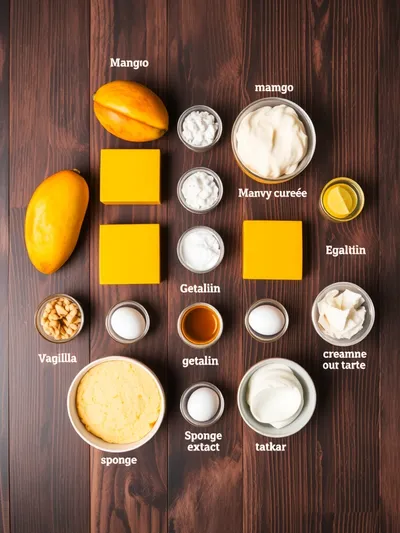
- Ripe mangoes: Choose mangoes that are fragrant and slightly soft; they provide natural sweetness and vibrant color
- Cream cheese: Use full‑fat for a silky mouthfeel; soften to room temperature before mixing
- Gelatin: Ensures the mousse holds its shape without a heavy bite
- Vanilla extract: Adds depth and aromatic warmth; a modest splash is enough
- Lemon juice: Balances sweetness and brightens the mango flavor
- Powdered sugar: Sweetens gently; adjust to taste based on mango natural sugar
Complete Cooking Process
-
Ingredient Readiness:
Puree the mangoes, bloom gelatin in cold water, and soften the cream cheese; this ensures a smooth, homogenous mousse.
-
Flavor Development:
Gently warm the gelatin mixture and combine it with the mango puree and vanilla, letting the flavors meld together.
-
Texture Control:
Whip the softened cream cheese with powdered sugar until light, then fold in the mango‑gelatin mixture carefully to keep the airy structure.
-
Finishing Touches:
Pour the mousse over a pre‑baked buttery crumb base, smooth the top, and chill until set.
-
Serving Timing:
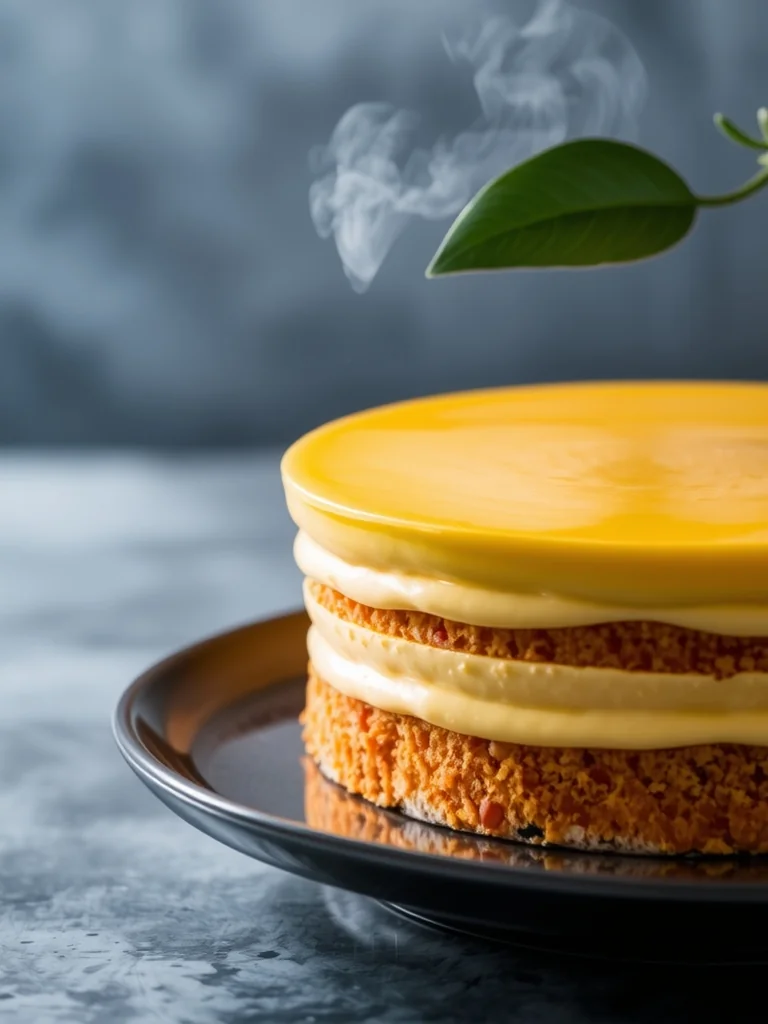
Allow the cake to rest at room temperature for 10 minutes before slicing, revealing a glossy, jewel‑like surface.
- Use chilled bowls for whipping cream cheese to keep it firm
- Do not over‑mix once gelatin is added, or you’ll lose air
- Pipe a thin ring of mango puree around the edge for visual contrast
- Garnish with a few fresh mango slices just before serving
Pro Tips
When you follow these little details, the cake feels like a soft, fragrant breeze. I often find that letting the mousse sit uncovered for a brief moment lets a thin skin form, adding a delicate sheen that catches the light. It’s those tiny moments that turn a simple dessert into a memory.
The essence of the dish:
A fun fact or historical angle:
Flavor or sensory focus:
You Must Know
- Mangoes should be fully ripe for the best sweetness
- Gelatin must be fully dissolved to avoid grainy texture
- Chill the cake for at least 4 hours for proper set
Frequently Asked Questions
→ Can I use fresh or frozen mangoes?
Both work, but fresh mangoes give a brighter flavor and smoother texture. If using frozen, thaw completely and drain excess liquid.
→ What can I replace gelatin with?
Agar‑agar can be used for a vegetarian version; follow the package instructions for the correct amount.
→ How long can I store the cake?
Refrigerate in an airtight container for up to 3 days; the mousse stays fresh and the crumb stays moist.
→ Can I add a topping?
A light dusting of toasted coconut or a few fresh mango ribbons adds texture and visual appeal.
→ Is the recipe gluten‑free?
Use a gluten‑free crumb base made from almond meal or gluten‑free flour to keep it safe for gluten‑intolerant guests.
→ What size pan should I use?
A 6‑inch springform pan works well; it creates a neat, even layer of mousse.
Chef's Tips
Make sure the cream cheese is at room temperature; cold cheese will create lumps.,If the mousse seems too runny, chill it a bit longer before adding the gelatin.,Garnish just before serving to keep the coconut crunchy.
Nutrition Facts
per serving
280
Calories
5g
Protein
32g
Carbs
12g
Fat
Taste Profile
Bright, fruity, and gently sweet
Ingredient Substitutions
Don't have an ingredient? Try these alternatives
Will yield a lighter mousse; ensure it’s strained to remove excess water.
Use 1/2 tsp agar‑agar powder dissolved in 2 tbsp water; set times may vary.
Recipe Variations
Try these delicious twists on the original
Spicy Version
Add a pinch of cayenne pepper to the mango purée for a subtle heat that contrasts the sweet.
Mediterranean Style
Fold in chopped pistachios and a drizzle of honey for a nutty, aromatic twist.
Common Mistakes to Avoid
Learn from others' mistakes for perfect results
- Over‑mixing after adding gelatin, which deflates the mousse
- Using unripe mangoes, leading to a bland flavor
- Skipping the cooling step for the crumb base, causing a soggy bottom
Meal Prep & Storage
Make Ahead Tips
You can prepare the mousse layer up to 24 hours ahead; keep it refrigerated and cover tightly.
Leftover Ideas
Store leftovers in individual containers; gently warm a slice in a microwave for 10 seconds before serving to revive the texture.
Perfect Pairings
Serve this with...
Cooking Timeline
Preheat oven and prepare crumb base ingredients.
Bake crumb base, then let it cool while prepping mango purée.
Bloom gelatin, warm gently, and blend with mango purée.
Whip cream cheese with sugar, fold in mango‑gelatin mixture.
Assemble cake, chill to set, and garnish before serving.
Mango Mousse Cake Recipe
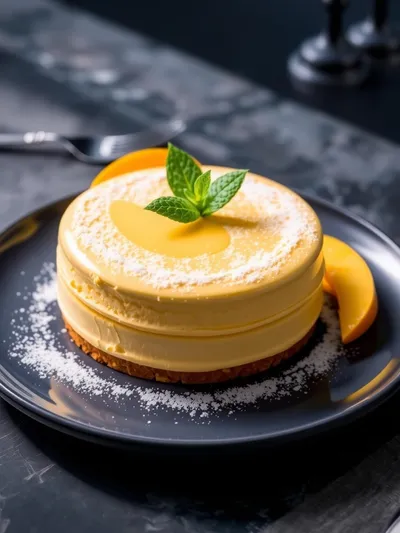
A light, fluffy mango mousse cake that carries the soft scent of tropical sunshine. The gentle wobble of the mousse, the buttery crumb beneath, and the subtle sparkle of fresh mango puree make it a perfect centerpiece for any celebration or quiet afternoon tea. Honestly, it feels like a warm hug on a plate.
Timing
Prep Time
20 Minutes
Cook Time
15 Minutes
Total Time
35 Minutes
Recipe Details
Ingredients
Mousse
- 01 2 cups ripe mango purée (about 3 large mangoes)
- 02 8 oz cream cheese, softened
- 03 1/2 cup powdered sugar
- 04 1 tsp vanilla extract
- 05 1 tbsp lemon juice
- 06 1 tsp gelatin powder
- 07 2 tbsp cold water
Crumb Base
- 01 1 cup all‑purpose flour
- 02 1/4 cup granulated sugar
- 03 1/4 cup melted butter
- 04 Pinch of salt
Instructions
Preheat the oven to 350°F (175°C). In a bowl, combine flour, sugar, melted butter, and salt; press the mixture into the bottom of a 6‑inch springform pan and bake for 12 minutes until lightly golden. Let cool.
While the base cools, blend the mango flesh into a smooth purée. Sprinkle gelatin over cold water, let it bloom for 5 minutes, then gently warm to dissolve.
In a separate bowl, beat the softened cream cheese with powdered sugar until light and fluffy; add vanilla, lemon juice, and the mango purée, mixing gently.
Stir the dissolved gelatin into the mango‑cream mixture, ensuring it’s fully incorporated but without over‑mixing, to keep the mousse airy.
Pour the mousse over the cooled crumb base, smooth the top, then refrigerate for at least 4 hours or until set. Before serving, garnish with fresh mango slices and a light dusting of toasted coconut.
Notes & Tips
- 1 Make sure the cream cheese is at room temperature; cold cheese will create lumps.
- 2 If the mousse seems too runny, chill it a bit longer before adding the gelatin.
- 3 Garnish just before serving to keep the coconut crunchy.
Tools You'll Need
-
6‑inch springform pan
-
Mixing bowls
-
Hand mixer or stand mixer
-
Spatula
-
Whisk
-
Saucepan
Must-Know Tips
- Don't over‑beat after adding gelatin, it will deflate the mousse
- Let the crumb base cool completely to avoid melting the mousse
- Taste the mango purée before adding sugar; adjust sweetness naturally
Professional Secrets
- Bloom gelatin in cold water for a smooth set
- Use a chilled bowl for whipping cream cheese to keep it firm
- Fold ingredients gently with a rubber spatula to preserve air

Recipe by
Amelia HartChef Amelia Hart is a dessert enthusiast who loves creating elegant cakes, cookies, and baked treats. Her baking style combines classic pastry techniq ...
Get Delicious Recipes Weekly
Join 25,000+ home cooks getting our best recipes straight to their inbox.
Free forever • No spam • Unsubscribe anytime