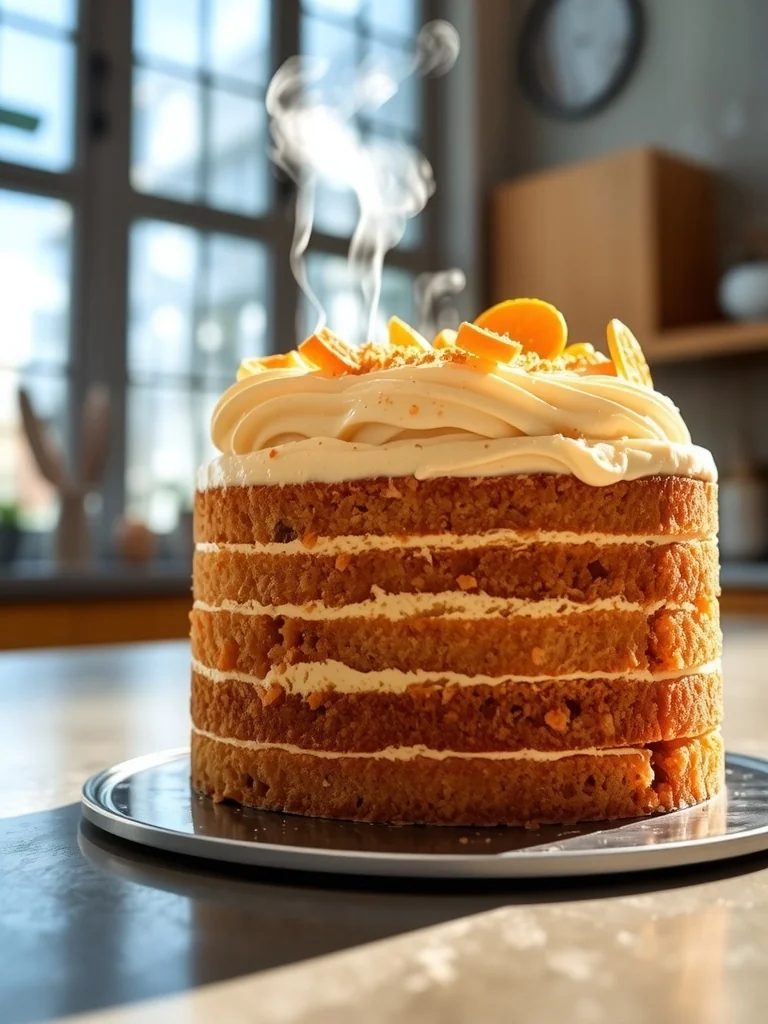
The concept of a melt‑in‑your‑mouth cake traces back to Victorian sponge cakes, prized for their airy crumb and subtle sweetness. Historically, bakers relied on beaten eggs and softened butter to achieve that feather‑light texture, a tradition that endures today. This recipe modernizes that heritage, preserving the classic feel while using straightforward methods that anyone can master.
Why You'll Love It
-
- The crumb is cloud‑like and melts instantly
-
- Simple pantry ingredients you likely already have
-
- Perfect for birthdays, teatimes, or just because
-
- Versatile base for seasonal fruit toppings
"The cake was so soft it practically dissolved on my tongue – a true comfort food!"
Essential Ingredient Guide
- All‑purpose flour: Choose a fine sifted flour for a tender crumb; it helps keep the texture airy.
- Unsalted butter: Softened butter creates a smooth batter and contributes to the melt‑in‑your‑mouth feel.
- Whole milk: Milk adds moisture and a subtle richness without weighing the cake down.
- Vanilla extract: Adds aromatic warmth; a little goes a long way.
- Lemon zest: Provides a bright, fresh note that balances the sweet butter.
- Powdered sugar: Used in the frosting for a silky finish that dissolves like snow.
 Desserts & Baking
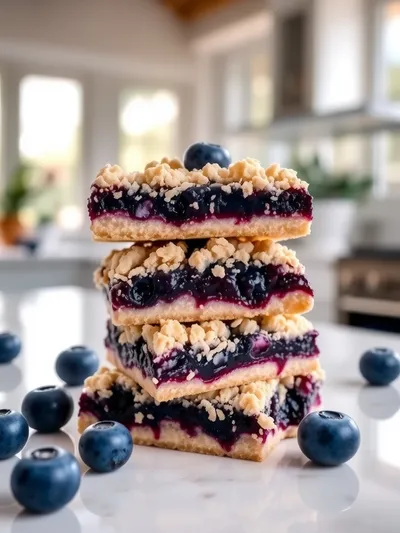
Blueberry Crumble Bars – Easy Homemade Dessert
Buttery blueberry crumble bars that are easy to bake and delightful to share.
Complete Cooking Process
-
Ingredient Readiness:
Measure and sift the flour, soften the butter, and bring the milk to room temperature so everything blends evenly.
-
Flavor Development:
Cream butter with sugar until pale, then add eggs and vanilla; this stage builds the cake’s subtle buttery flavor.
-
Texture Control:
Fold in the dry ingredients gently, avoiding over‑mixing to keep the crumb light.
-
Finishing Touches:
Whip the frosting until fluffy, then spread over the cooled cake for that melt‑in‑your‑mouth finish.
-
Serving Timing:
Allow the cake to sit for a few minutes after frosting so the flavors meld, then serve at room temperature.
-
Sift flour twice for extra lightness
-
Use room‑temperature eggs to avoid a curdled batter
-
Don’t open the oven door mid‑bake; it drops the temperature
-
Cool the cake upside down on a wire rack for flat tops
Pro Tips
These little adjustments make a big difference. Honestly, I’ve tried them many times and the result is always a cake that feels like a gentle sigh. Take a moment to breathe, enjoy the aroma, and remember that patience is a secret ingredient.
When the frosting settles, the cake will look modest, but the first bite will surprise you with its silken texture. It’s a quiet celebration of simple ingredients turning into something special.
The essence of the dish:
A tender crumb, buttery richness, and a glossy, soft frosting combine to create a dessert that seems to dissolve as soon as it touches the palate.
A fun fact or historical angle:
Victorian sponge cakes were originally called "Genoise," prized for their ability to stay moist and melt softly, a tradition we honor today.
Flavor or sensory focus:
The delicate vanilla aroma mingles with a hint of citrus, while the buttery sweetness offers a comforting, lingering finish.
You Must Know
-
Do not over‑mix the batter
-
Room‑temperature ingredients are key
-
Cool the cake completely before frosting
Frequently Asked Questions
→ Can I make this cake gluten‑free?
Yes, substitute the all‑purpose flour with a 1‑to‑1 gluten‑free flour blend and follow the same steps.
→ How do I store leftovers?
Wrap the cake tightly in plastic wrap and keep it at room temperature for up to three days, or refrigerate for a longer stay.
→ What frosting works best?
A simple powdered‑sugar glaze or light buttercream both complement the melt‑in‑your‑mouth texture.
→ Can I add fruit layers?
Absolutely – fresh berries or lightly poached fruit add a wonderful bright contrast.
→ Why does the cake rise so gently?
Beating the butter and sugar creates tiny air pockets; the baking powder then expands them for a subtle lift.
→ Is this cake suitable for vegans?
Swap butter for a plant‑based alternative and use a flax egg; the texture remains delightfully soft.
Nutrition Facts
per serving
420
Calories
5g
Protein
58g
Carbs
18g
Fat
Taste Profile
Delicately sweet with buttery richness
Ingredient Substitutions
Don't have an ingredient? Try these alternatives
Use a 1‑to‑1 substitution; the texture stays light.
Provides a subtle coconut note; keep the same amount.
Recipe Variations
Try these delicious twists on the original
Spicy Version
Add a pinch of ground cinnamon and a dash of nutmeg to the batter for a warm, cozy flavor.
Mediterranean Style
Fold in chopped pistachios and a drizzle of honey for a fragrant twist.
Common Mistakes to Avoid
Learn from others' mistakes for perfect results
- Over‑mixing the batter, which can toughen the crumb
- Opening the oven door too early, causing a temperature drop
- Using cold butter, leading to a gritty texture
Meal Prep & Storage
Make Ahead Tips
You can bake the cake layers a day ahead, wrap them tightly, and add the frosting just before serving.
Leftover Ideas
Reheat gently in a microwave for 10‑15 seconds; the cake will retain its melt‑in‑your‑mouth texture.
Perfect Pairings
Serve this with...
Cooking Timeline
Gather and measure all ingredients; preheat oven.
Cream butter and sugar until pale and fluffy.
Add eggs, vanilla, and lemon zest; mix gently.
Incorporate dry ingredients and milk alternately.
Bake the batter; check for doneness with a toothpick.
Melt-in-Your-Mouth Cake
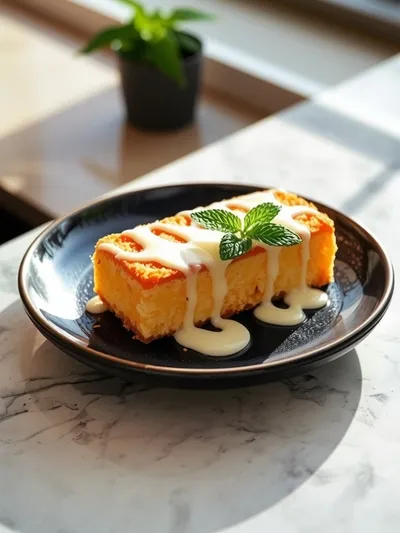
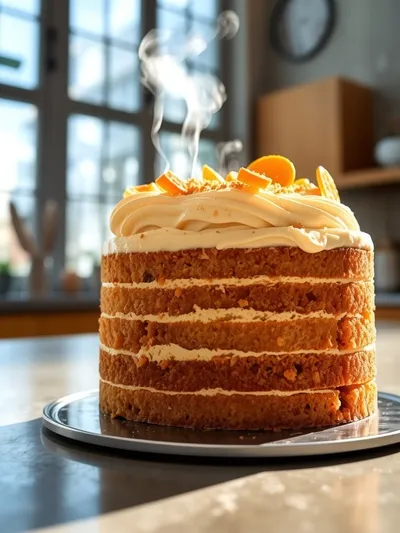
This melt-in-your-mouth cake is the kind of dessert that whispers of soft buttery clouds and sweet serenity. Honestly, the crumb feels like a gentle hug, and the frosting melts like the first kiss of sunrise. I remember when I first tried a vanilla speculoos cake and thought, "wow, I could make something even softer." This cake delivers that ultra‑soft texture without any fuss, perfect for any occasion from quiet family evenings to bustling birthday parties.
Timing
Prep Time
20 Minutes
Cook Time
30 Minutes
Total Time
50 Minutes
Recipe Details
Ingredients
Cake Batter
-
01
2 cups all‑purpose flour
-
02
1 ½ cups granulated sugar
-
03
1 cup unsalted butter, softened
-
04
4 large eggs, room temperature
-
05
¾ cup whole milk
-
06
2 tsp baking powder
-
07
1 tsp vanilla extract
-
08
1 tbsp lemon zest
Frosting
-
01
1 ½ cups powdered sugar
-
02
3 tbsp unsalted butter, softened
-
03
2‑3 tbsp whole milk
-
04
½ tsp vanilla extract
Instructions
Preheat the oven to 350°F (175°C). Grease and flour a 9‑inch round cake pan; set aside.
In a large bowl, cream the softened butter with the granulated sugar until light and fluffy, about 3‑4 minutes.
Add the eggs one at a time, beating well after each, then stir in the vanilla extract and lemon zest.
Sift together flour and baking powder. Gradually add the dry blend to the butter mixture, alternating with milk, beginning and ending with flour.
Pour the batter into the prepared pan and smooth the top. Bake for 30‑35 minutes, or until a toothpick inserted in the center comes out clean.
Allow the cake to cool in the pan for 10 minutes, then turn out onto a wire rack to cool completely.
While the cake cools, whisk together powdered sugar, softened butter, milk, and vanilla until a smooth, spreadable frosting forms.
Spread the frosting over the cooled cake, letting it melt into the surface for that signature soft feel.
Notes & Tips
-
1
Measure flour with a spoon and level off for accurate results.
-
2
Do not over‑mix after adding flour; it can make the cake dense.
-
3
For a fruity twist, top with fresh berries after frosting.
Tools You'll Need
-
9‑inch round cake pan
-
Electric mixer
-
Sifter
-
Rubber spatula
-
Wire cooling rack
-
Measuring cups and spoons
Must-Know Tips
-
Sift flour twice to keep the crumb airy
-
Use room‑temperature eggs for a smooth batter
-
Do not open the oven door during baking
Professional Secrets
-
Cream butter and sugar until the mixture turns pale, creating air pockets
-
Add milk gradually to retain moisture without over‑mixing
-
Cool the cake upside down for an even, flat top
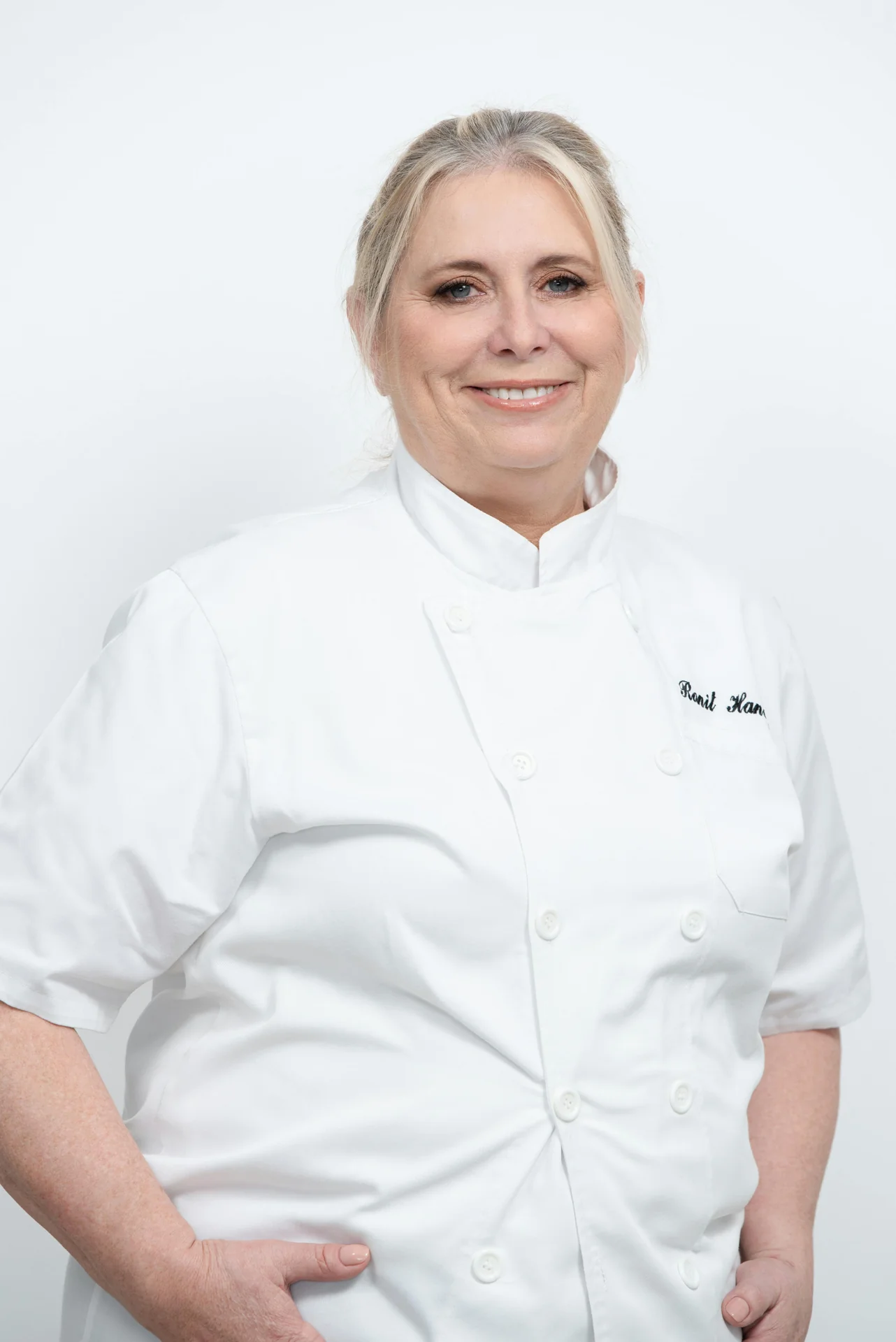
Recipe by
Amelia HartChef Amelia Hart is a dessert enthusiast who loves creating elegant cakes, cookies, and baked treats. Her baking style combines classic pastry techniq ...
Get Delicious Recipes Weekly
Join 25,000+ home cooks getting our best recipes straight to their inbox.
Free forever • No spam • Unsubscribe anytime