
The pound cake is a timeless staple of Western baking, traditionally consisting of a pound each of flour, butter, eggs, and sugar. This particular citrus variation evolved as a way to brighten the dense, buttery nature of the classic cake, using the acidity of lemons to cut through the richness. Historically, these cakes were prized for their long shelf life and sturdy structure, making them a favorite for tea time and afternoon gatherings. The addition of a sugar-based glaze ensures the cake remains hydrated, preserving its tender interior for several days.
Why You'll Love It
-
- A remarkably tender crumb that stays moist for days
-
- The bright, refreshing zing of real lemon zest and juice
-
- Simple ingredients you likely already have in your pantry
-
- A foolproof icing that adds a beautiful professional finish
"The most tender cake I've ever baked. The lemon flavor is bright and not too sweet, just perfect for my afternoon tea."
Essential Ingredient Guide
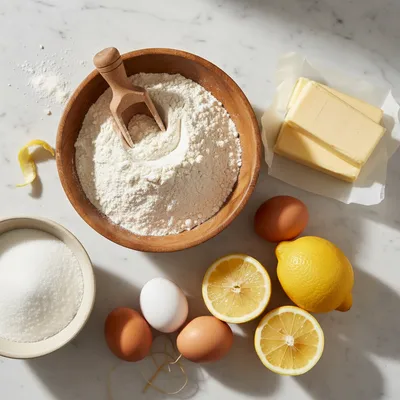
- Unsalted Butter: Ensure it's truly softened to room temperature so it creams smoothly with the sugar without leaving lumps.
- Fresh Lemons: Use organic lemons if possible; the zest is where the most concentrated oils and flavor reside.
- Granulated Sugar: Standard white sugar provides the best structure and a clean sweetness that doesn't compete with the lemon.
- All-Purpose Flour: Sifting the flour prevents air pockets and ensures a tight, velvet-like crumb.
- Fresh Eggs: Cold eggs can curdle the butter; let them sit out for a bit to ensure a smooth emulsion.
- Powdered Sugar: Essential for the glaze to get that smooth, opaque look and a quick-setting consistency.
 Desserts & Baking
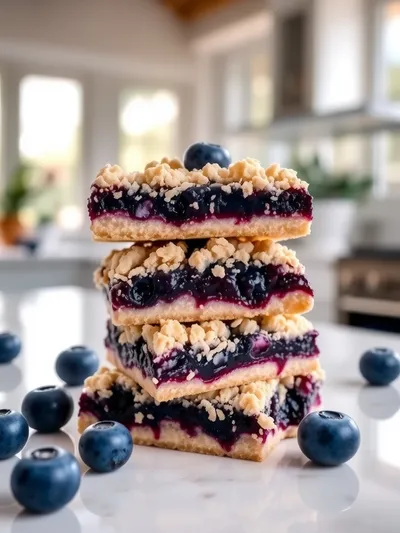
Blueberry Crumble Bars – Easy Homemade Dessert
Buttery blueberry crumble bars that are easy to bake and delightful to share.
Complete Cooking Process
-
Ingredient Readiness:
The secret here is patience. I always make sure my butter and eggs are at room temperature. If the butter is too cold, you'll never get that fluffy aeration, and if the eggs are cold, the batter might separate. Just leave them on the counter for an hour, or so.
-
Flavor Development:
The lemon flavor deepens when we rub the zest into the sugar first. It releases the natural oils and perfumes the entire cake from the inside out, rather than just tasting like a topping.
-
Texture Control:
Avoid over-mixing once the flour goes in. I mean, really, just fold it in until you don't see any white streaks. Over-working the batter makes the cake tough, and we want it to be a cloud, not a brick.
-
Finishing Touches:
The glaze goes on while the cake is slightly warm. This allows some of the icing to soak into the top layer, creating a moist, flavorful seal.
-
Serving Timing:
Let the cake cool almost completely before slicing. I know it's hard to wait, but the structure needs to set so you get those clean, beautiful slices.
-
Zap the lemon in the microwave for 10 seconds to get more juice
-
Use a parchment paper sling for easy removal from the pan
-
Tapping the pan on the counter removes those stubborn air bubbles
-
Freshly squeezed juice is always better than the bottled stuff
Pro Tips
Well, I've learned over the years that a little bit of patience goes a long way in baking. If you're in a rush, you might miss those small details, like making sure your oven is truly preheated. I remember one time I rushed into it and the center stayed raw while the edges burnt—ugh, what a waste of butter.
So, just take your time. Turn on some music, enjoy the smell of the lemon, and let the process be part of the treat. Baking shouldn't be stressful; it should be a way to quiet the mind.
The essence of the dish:
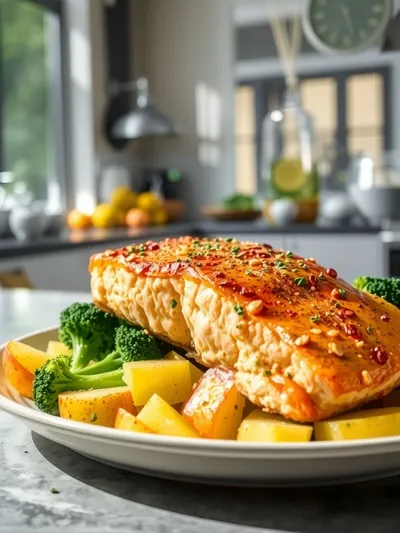
This cake is all about the contrast between the rich, buttery base and the sharp, electric brightness of the lemon. It's a simple sweet delight that doesn't try too hard, relying on quality ingredients and a slow bake to achieve its signature moisture.
A fun fact or historical angle:
Pound cakes were once the gold standard of home baking because they used the most expensive ingredients of the time—butter and sugar—in equal weights, making them a true luxury.
Flavor or sensory focus:
The first thing you'll notice is the scent—a warm, citrusy aroma that fills the room. Then comes the texture: a dense but tender bite that dissolves slowly, followed by the sweet, tangy snap of the icing.
You Must Know
-
Don't overbake; check 5 minutes before the timer goes off
-
Ensure your pan is well-greased or lined with parchment
-
Use a fine-mesh sieve for the powdered sugar glaze
Frequently Asked Questions
→ Can I use a different pan?
Yes, a standard 9x5 inch loaf pan is traditional, but you can use a Bundt pan. Just keep an eye on the baking time as the shape changes how heat distributes.
→ Why is my cake sinking in the middle?
This usually happens if the oven door is opened too often or if the baking powder was old. Try to keep the door closed until the cake is almost finished.
→ Can I freeze this cake?
Absolutely. Wrap the unfrosted cake tightly in plastic wrap and foil. Thaw at room temperature and add the glaze fresh for the best taste.
→ How do I keep the cake from being too dry?
Avoid over-mixing the batter and don't overbake. Also, adding the icing while the cake is slightly warm helps lock in moisture.
→ What if I don't have fresh lemons?
You can use bottled lemon juice, but you'll miss out on the flavor of the zest. Try to find at least one fresh lemon for the zest.
→ Can I substitute the butter with oil?
I wouldn't recommend it for a pound cake. The butter provides the specific structure and richness that defines this style of cake.
Nutrition Facts
per serving
420
Calories
6g
Protein
52g
Carbs
18g
Fat
Taste Profile
A balanced blend of rich butter and bright, zesty citrus.
Ingredient Substitutions
Don't have an ingredient? Try these alternatives
Makes the cake denser and slightly tangier.
Omit the extra 1/2 teaspoon of salt in the batter.
Recipe Variations
Try these delicious twists on the original
Poppy Seed Twist
Add 2 tablespoons of poppy seeds to the batter for a beautiful speckled look and nutty flavor.
Extra Tart Version
Replace the milk with full-fat Greek yogurt for a tangier, denser cake similar to a sour cream pound cake.
Common Mistakes to Avoid
Learn from others' mistakes for perfect results
- Over-mixing the batter, which leads to a rubbery texture.
- Opening the oven door too frequently, causing the cake to sink.
- Using cold eggs, which causes the butter to clump.
Meal Prep & Storage
Make Ahead Tips
The batter can be made and chilled for up to 12 hours, but you'll need to let it come back to room temperature before baking.
Leftover Ideas
Reheat a slice in the microwave for 10 seconds to bring back that just-baked buttery warmth.
Perfect Pairings
Serve this with...
Cooking Timeline
Preheat oven and prepare the loaf pan with butter and parchment.
Cream butter and sugar, then mix in eggs and lemon flavorings.
Fold in flour and milk alternatingly until just combined.
Bake for about an hour, checking for doneness with a toothpick.
Cool the cake and apply the lemon icing glaze.
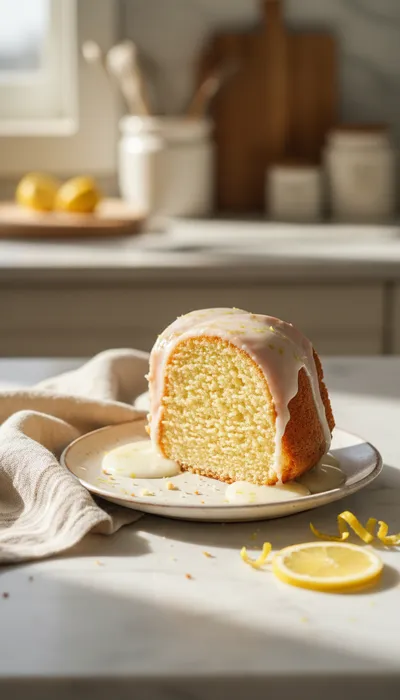
Moist Lemon Pound Cake with Simple Icing
A tender, buttery cake bursting with fresh citrus notes and finished with a sweet, zesty glaze that melts into every slice.
Timing
Prep Time
20 Minutes
Cook Time
60 Minutes
Total Time
80 Minutes
Recipe Details
Ingredients
Cake Batter
-
01
1 cup unsalted butter, softened
-
02
1 1/2 cups granulated sugar
-
03
4 large eggs, room temperature
-
04
3 cups all-purpose flour, sifted
-
05
1/2 teaspoon baking powder
-
06
1/2 teaspoon salt
-
07
1 cup whole milk or sour cream
-
08
2 tablespoons lemon zest (approx 2 lemons)
-
09
1 tablespoon lemon juice
-
10
1 teaspoon vanilla extract
Lemon Icing Glaze
-
01
1 cup powdered sugar
-
02
2 tablespoons fresh lemon juice
-
03
1 tablespoon melted butter
-
04
A pinch of lemon zest
Instructions
Preheat your oven to 325°F (165°C). Grease a 9x5 inch loaf pan with butter and line the bottom with parchment paper so nothing sticks.
In a large bowl, cream together the softened butter and granulated sugar until the mixture is pale and fluffy. This usually takes about 3 to 5 minutes with a mixer.
Beat in the eggs one at a time, making sure each one is fully incorporated before adding the next. Stir in the lemon zest, lemon juice, and vanilla extract.
In a separate bowl, whisk together the flour, baking powder, and salt. Gradually add the dry ingredients to the butter mixture, alternating with the milk or sour cream, starting and ending with the flour.
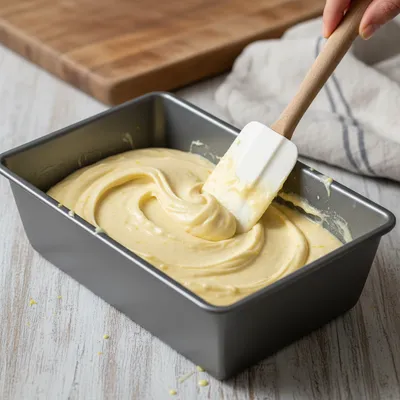
Pour the batter into the prepared pan and smooth the top with a spatula. Bake for 55 to 65 minutes, or until a toothpick inserted into the center comes out clean.
Allow the cake to cool in the pan for 10 minutes before transferring it to a wire rack to cool completely.
While the cake cools, whisk together the powdered sugar, lemon juice, and melted butter until smooth. Drizzle the glaze over the cake and finish with a sprinkle of zest.
Notes & Tips
-
1
For a deeper flavor, use a old fashioned pound cake recipe approach by beating the butter for even longer.
-
2
If the icing is too thin, add a tablespoon more of powdered sugar; if it's too thick, add a drop of lemon juice.
-
3
Store the cake under a glass dome or in an airtight container to keep it moist.
Tools You'll Need
-
9x5 inch loaf pan
-
Electric hand mixer or stand mixer
-
Mixing bowls
-
Sifter or fine-mesh strainer
-
Parchment paper
-
Rubber spatula
-
Wire cooling rack
Must-Know Tips
-
Don't over-mix the flour; stop as soon as the streaks disappear to keep the cake tender.
-
Ensure all dairy and eggs are at room temperature to prevent the batter from curdling.
-
Use a low oven temperature (325°F) to ensure the center bakes through without burning the edges.
Professional Secrets
-
Rub the lemon zest into the sugar with your fingertips before creaming; this releases the citrus oils for a more intense flavor.
-
Sift your flour twice for an exceptionally light and airy crumb structure.
-
Brush the warm cake with a simple sugar syrup before glazing to add an extra layer of moisture.

Recipe by
Amelia HartChef Amelia Hart is a dessert enthusiast who loves creating elegant cakes, cookies, and baked treats. Her baking style combines classic pastry techniq ...
Get Delicious Recipes Weekly
Join 25,000+ home cooks getting our best recipes straight to their inbox.
Free forever • No spam • Unsubscribe anytime