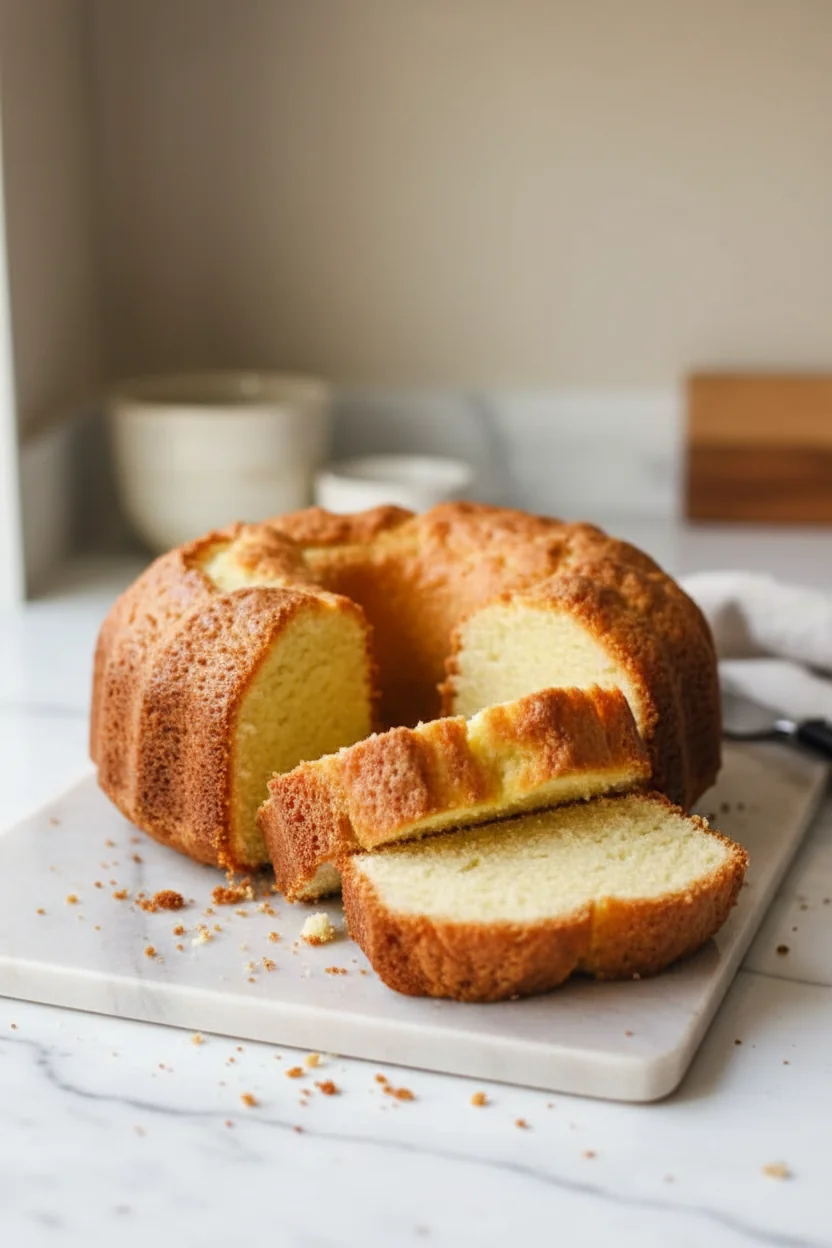
Pound cake traces its roots back to 18th-century England, where the original recipe called for a literal pound each of flour, butter, sugar, and eggs. Over time, Southern bakers in the United States evolved the recipe, incorporating sour cream to counteract the heaviness of the butter. This addition creates a more tender crumb and a subtle tang that balances the sweetness, transforming a simple tea cake into a rich, decadent staple of American heritage baking.
Why You'll Love It
-
- That unmistakable golden-brown crust that crackles slightly under the fork
-
- An incredibly moist interior thanks to the addition of full-fat sour cream
-
- A deep, buttery flavor that feels indulgent without being overly sweet
-
- The nostalgic feeling of a recipe passed down through generations
"This cake is exactly how my grandmother used to make it. The crust is perfectly crisp and the inside is like a cloud of butter."
Essential Ingredient Guide
- Unsalted Butter: Use high-quality butter and ensure it is truly softened to room temperature so it creams properly with the sugar.
- Sour Cream: Full-fat sour cream is essential here; it provides the necessary moisture and that characteristic tang.
- Cake Flour: Cake flour gives a finer, softer crumb than all-purpose, though the latter can be used in a pinch.
- Pure Vanilla Extract: Don't be shy with the vanilla; it's the aromatic heart of this cake.
- Fresh Eggs: Large eggs at room temperature prevent the batter from curdling or breaking.
- Granulated Sugar: Fine white sugar ensures a smooth batter and a consistent golden caramelization on the crust.
 Desserts & Baking
Blueberry Crumble Bars – Easy Homemade Dessert
Buttery blueberry crumble bars that are easy to bake and delightful to share.
Complete Cooking Process
-
Ingredient Readiness:
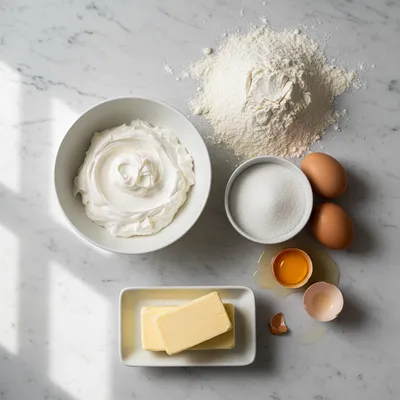
Everything needs to be at room temperature. I mean, really. If the butter is too cold, it won't fluff up, and if the eggs are cold, they'll seize the butter. Just set them on the counter an hour before you start. It's a lesson in patience, but it's worth it.
-
Flavor Development:
The magic happens during the creaming stage. Beating the butter and sugar together until they are pale and fluffy incorporates air, which lightens the dense nature of the pound cake and allows the vanilla to permeate every inch.
-
Texture Control:
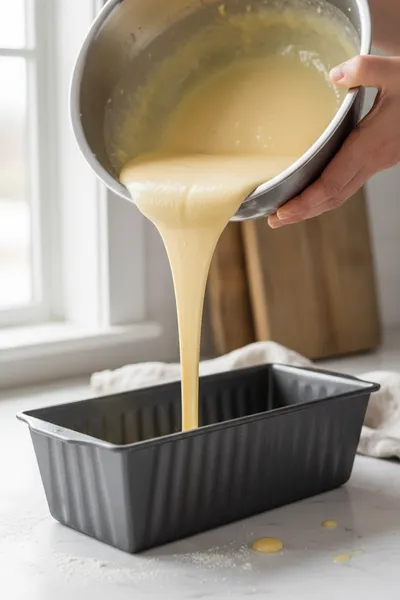
When adding the flour, fold it in gently. You don't want to overwork the gluten, or the cake will become tough. We're looking for a velvety, smooth batter that looks like thick buttercream frosting.
-
Finishing Touches:
Once the cake comes out of the oven, let it rest in the pan for about ten minutes. If you pull it out too soon, it might crack; if you wait too long, the bottom might get soggy from the steam.
-
Serving Timing:
While it's tempting to eat it warm, this cake actually settles and improves its texture after cooling completely. A slice at room temperature is where the buttery notes really shine.
-
Grease your pan thoroughly with butter and a dusting of flour to avoid sticking.
-
Use a paddle attachment for creaming and a spatula for the final flour fold.
-
Avoid opening the oven door too frequently to prevent the cake from sinking.
-
If the top browns too quickly, tent it loosely with foil for the last 20 minutes.
Pro Tips
Honestly, the biggest mistake I see people make is rushing the butter. I remember one time I tried to shortcut it with the microwave, and oops, the butter melted. The cake came out dense and greasy. Just let it sit; it's a good excuse to have a cup of tea while you wait.
Also, make sure your oven is actually at the right temperature. Those dials can be liars. Using a separate oven thermometer is a little trick that saves a lot of heartbreak when you're baking something as delicate as a dessert.
The essence of the dish:
What makes this cake special is the contrast. You have that slightly sugary, crisp outer shell that gives way to a dense, moist center. It's not a light sponge cake; it's a hearty, comforting bake that feels substantial and honest.
A fun fact or historical angle:
Back in the day, pound cakes were often the centerpiece of festive season gatherings because they kept well for several days, making them a practical yet elegant choice for hosting guests.
Flavor or sensory focus:
The first thing you'll notice is the aroma—pure vanilla and toasted butter. On the palate, it's a balance of rich creaminess and a subtle, bright tang from the sour cream that keeps the sweetness from feeling overwhelming.
You Must Know
-
Room temperature ingredients are non-negotiable for the emulsion.
-
Do not overmix after adding the flour to keep the crumb tender.
-
A tube pan is best for even heat distribution in the center.
Frequently Asked Questions
→ Can I use Greek yogurt instead of sour cream?
Yes, you can use plain, full-fat Greek yogurt. It has a similar acidity and thickness, though the flavor may be slightly more tangy.
→ Why did my cake sink in the middle?
This usually happens if the oven door was opened too early or if the baking powder was old. Make sure the cake is fully set before checking it.
→ Can I make this without a stand mixer?
You can use a hand mixer, but you'll need to be a bit more patient with the creaming process to get enough air into the butter.
→ How do I store the leftovers?
Keep the cake in an airtight container at room temperature for up to 4 days, or freeze slices for a longer shelf life.
→ Is this cake gluten-free?
Not as written. However, you can try a 1:1 gluten-free flour blend, though the texture may be slightly more crumbly.
→ Can I add a glaze to the top?
Absolutely. A simple lemon glaze or a dusting of powdered sugar adds a lovely touch to the golden crust.
Nutrition Facts
per serving
420
Calories
6g
Protein
45g
Carbs
22g
Fat
Taste Profile
Rich, buttery, and sweet with a subtle tang from the sour cream.
Ingredient Substitutions
Don't have an ingredient? Try these alternatives
The cake will be slightly denser and less fluffy.
Provides a similar texture and acidity.
Recipe Variations
Try these delicious twists on the original
Lemon Zest Version
Add the zest of two large lemons to the sugar for a bright, citrusy twist.
Almond Infusion
Replace half of the vanilla extract with almond extract for a nutty, sophisticated flavor.
Common Mistakes to Avoid
Learn from others' mistakes for perfect results
- Using cold eggs, which causes the batter to curdle and split.
- Over-mixing the flour, leading to a tough, rubbery cake instead of a tender one.
- Opening the oven too early, causing the cake to collapse in the center.
Meal Prep & Storage
Make Ahead Tips
The cake can be baked a day in advance and stored in an airtight container. It actually tastes even better the next day as the flavors meld.
Leftover Ideas
If the cake begins to dry out after a few days, microwave a slice for 10 seconds to bring back that freshly-baked softness.
Perfect Pairings
Serve this with...
Cooking Timeline
Preheat oven and prep the tube pan with butter and flour.
Cream butter and sugar, then beat in eggs and vanilla.
Gradually fold in the flour mixture and sour cream.
Bake the cake and check for doneness at the 60-minute mark.
Cool in the pan for 10 minutes, then cool completely on a rack.
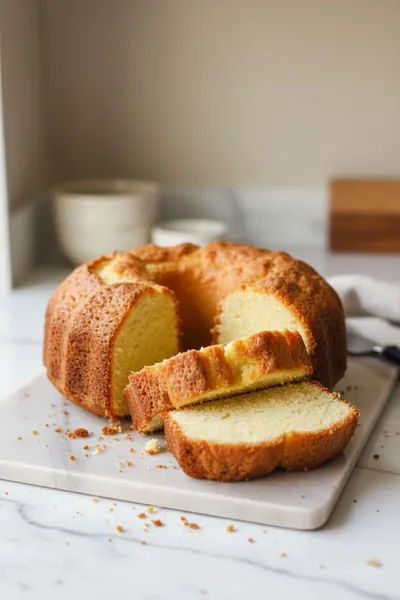
Old-Fashioned Sour Cream Pound Cake Recipe
A timeless Southern classic featuring a golden, crunchy crust and a dense, velvety interior made with rich sour cream.
Timing
Prep Time
20 Minutes
Cook Time
65 Minutes
Total Time
85 Minutes
Recipe Details
Ingredients
Cake Batter
-
01
3 cups cake flour, sifted
-
02
1 cup unsalted butter, softened
-
03
3 cups granulated sugar
-
04
6 large eggs, room temperature
-
05
1 cup full-fat sour cream
-
06
1 tbsp pure vanilla extract
-
07
1/2 tsp salt
-
08
1/2 tsp baking soda
Pan Preparation
-
01
2 tbsp melted butter
-
02
2 tbsp flour for dusting
Instructions
Preheat your oven to 325°F (160°C). Grease your 10-inch tube pan with melted butter and dust it with flour, tapping out any excess. This ensures your cake slides right out.
In a large bowl or stand mixer, cream together the softened butter and granulated sugar on medium-high speed. Keep going until the mixture is pale and fluffy, usually about 5 minutes. Don't rush this part!
Add the eggs one at a time, beating well after each addition. If the batter looks like it's separating, just keep mixing for another minute. Stir in the vanilla extract.
Whisk together the sifted cake flour, salt, and baking soda in a separate bowl. Gradually add the dry ingredients to the butter mixture on low speed, alternating with the sour cream.
Once just combined, stop the mixer. Use a spatula to scrape the sides and fold the batter gently to ensure no pockets of flour remain. Be careful not to overmix.
Pour the batter into the prepared pan and smooth the top with a spatula. Bake for 60 to 70 minutes, or until a toothpick inserted in the center comes out clean.
Let the cake cool in the pan for 10 minutes, then carefully invert it onto a wire rack to cool completely before slicing.
Notes & Tips
-
1
For a deeper flavor, use a high-quality vanilla bean paste instead of extract.
-
2
If you don't have cake flour, replace 1 cup of all-purpose flour with 1/4 cup cornstarch and sift together.
-
3
Slicing the cake with a serrated knife helps maintain the integrity of the moist crumb.
Tools You'll Need
-
10-inch tube pan
-
Stand mixer or hand mixer
-
Large mixing bowls
-
Sifter or fine-mesh strainer
-
Rubber spatula
-
Wire cooling rack
-
Toothpick or cake tester
Must-Know Tips
-
Room temperature eggs are key; they incorporate into the butter without causing the batter to break.
-
Avoid over-mixing the flour; stop as soon as the white streaks disappear to keep the cake tender.
-
Tenting with foil if the edges brown too fast prevents the crust from burning while the center finishes.
Professional Secrets
-
Sifting the flour twice ensures the lightest possible crumb for a dense cake.
-
Using a tube pan creates a chimney effect, allowing heat to reach the center more efficiently.
-
Adding a pinch of salt enhances the buttery notes and balances the sweetness of the sugar.
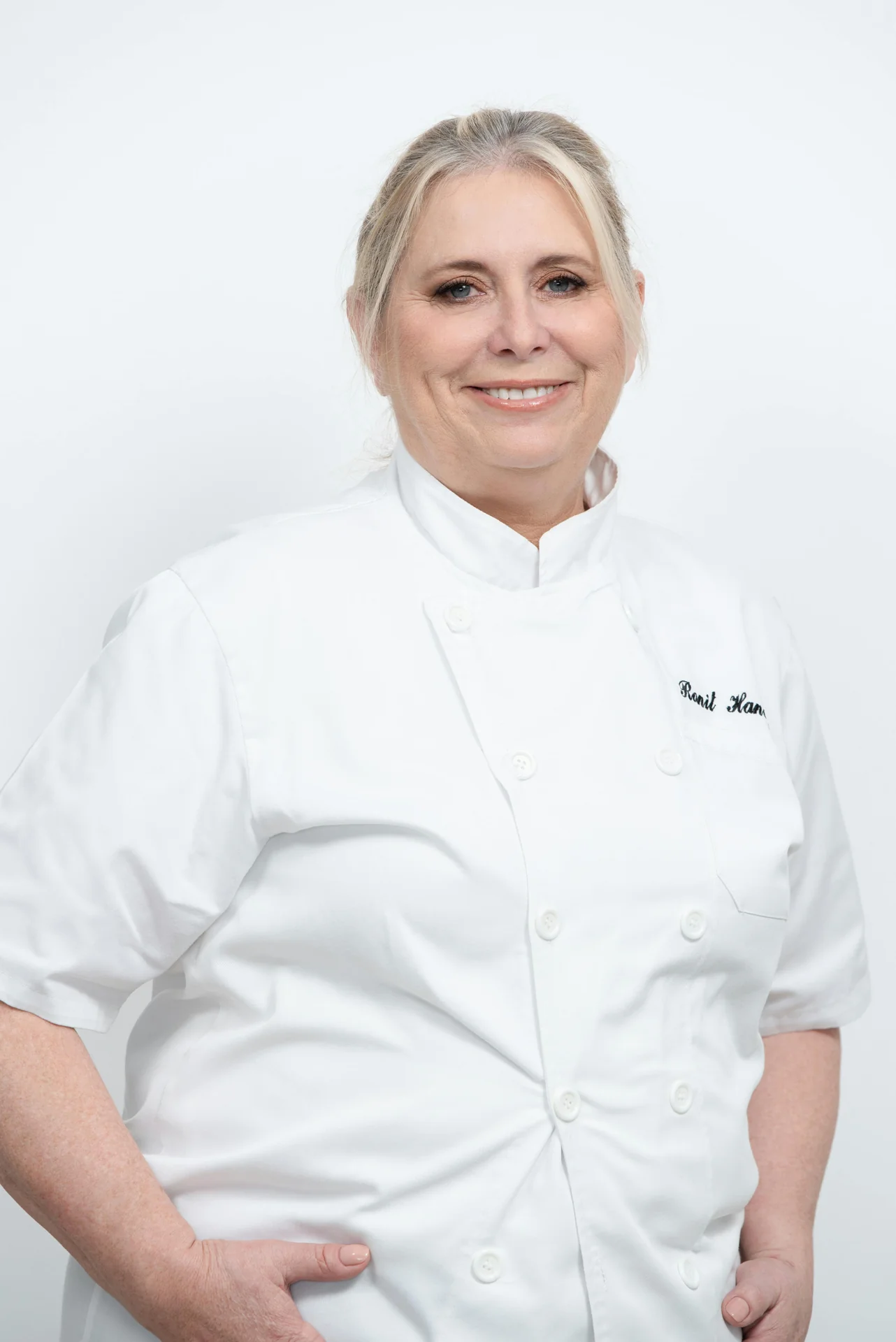
Recipe by
Amelia HartChef Amelia Hart is a dessert enthusiast who loves creating elegant cakes, cookies, and baked treats. Her baking style combines classic pastry techniq ...
Get Delicious Recipes Weekly
Join 25,000+ home cooks getting our best recipes straight to their inbox.
Free forever • No spam • Unsubscribe anytime