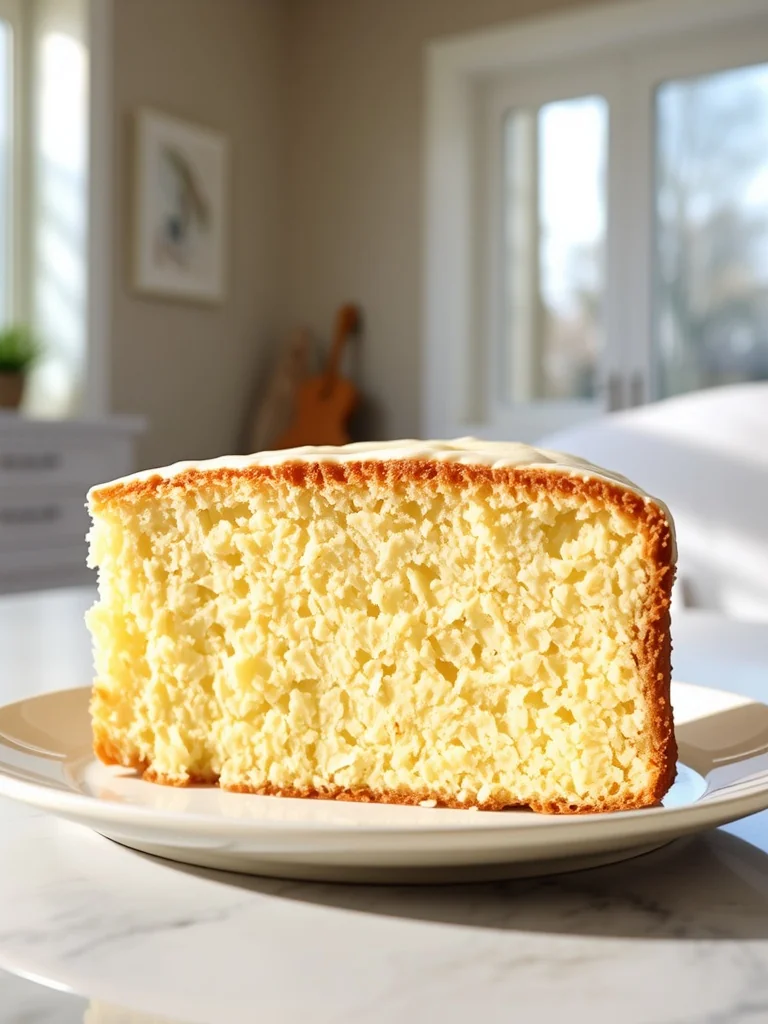
The sour cream pound cake traces its roots back to early 20th‑century American kitchens, where bakers added sour cream to enrich traditional pound cakes. This addition created a tender crumb and a subtle tang that set it apart from plain butter cakes. The technique spread through home cookbooks, becoming a beloved staple in the Southern United States. desserts lovers still cherish this classic today.
Why You'll Love It
-
- Simplicity: only pantry basics needed
-
- Moisture: sour cream keeps it tender
-
- Versatility: perfect plain or with a glaze
-
- Nostalgia: evokes cozy kitchen memories
"The most buttery pound cake I've ever tasted—so moist it practically melts on the tongue!"
Essential Ingredient Guide
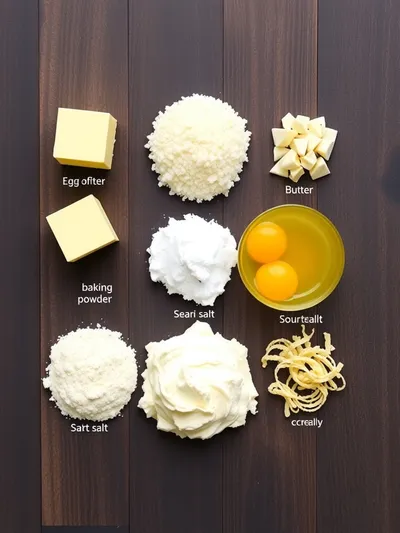
- All‑purpose flour: Provides structure; sift to avoid lumps and ensure a light crumb
- Unsalted butter: Adds richness; let it soften at room temperature for easy creaming
- Sour cream: Key to moisture and tang; choose full‑fat for best flavor
- Granulated sugar: Sweetens and helps create a fine, airy texture when creamed with butter
- Lemon zest: Adds a bright note that balances the richness without overpowering
- Vanilla extract: Provides warm aromatics; a little goes a long way
 Desserts & Baking
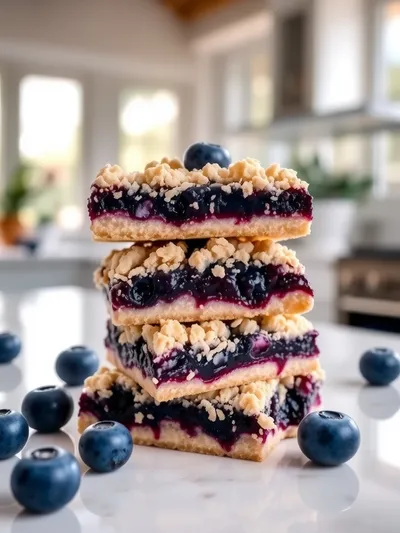
Blueberry Crumble Bars – Easy Homemade Dessert
Buttery blueberry crumble bars that are easy to bake and delightful to share.
Complete Cooking Process
-
Ingredient Readiness:
Measure flour, let butter soften, and bring sour cream to room temperature. This ensures even mixing and a smooth batter.
-
Flavor Development:
Cream butter and sugar until pale and fluffy; this traps air that later expands during baking.
-
Texture Control:
Gently fold in flour and sour cream, avoiding over‑mixing to keep the crumb tender.
-
Finishing Touches:
Spread batter evenly in the pan, sprinkle a touch of lemon zest, and bake until golden.
-
Serving Timing:
Allow the cake to cool in the pan for ten minutes, then turn out to finish cooling on a rack for optimal sliceability.
-
Use room‑temperature ingredients for a uniform batter
-
Don’t over‑mix after adding flour – a gentle hand preserves tenderness
-
Check the cake at 45 minutes; a golden edge and a clean toothpick signal doneness
-
Let the loaf rest before slicing to finish the steam‑set process
Pro Tips
Honestly, these little adjustments make a world of difference. I’ve seen slices that fall apart when rushed, but a brief cool‑down lets the crumb set just right. So, be patient, and enjoy the quiet anticipation as the aroma fills your kitchen.

The essence of the dish:
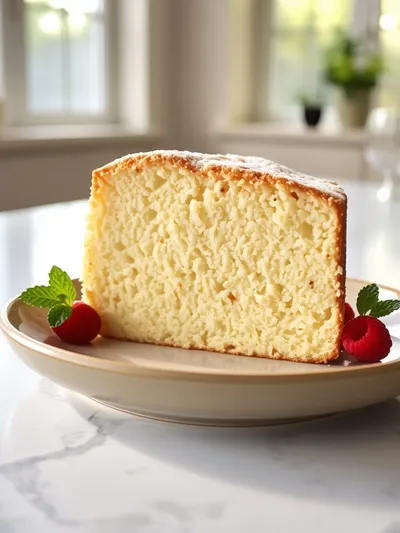
A buttery, moist loaf that balances sweet and subtle tang; each bite offers a tender crumb with a golden crust that cracks delicately under a fork.
A fun fact or historical angle:
During the Great Depression, adding sour cream stretched limited butter supplies while still delivering a rich texture, making this cake a symbol of resourceful comfort.
Flavor or sensory focus:
The perfume of melted butter melds with bright lemon zest, while the sour cream lends a faint creaminess that brightens the overall mouthfeel.
You Must Know
-
Use a light‑colored pan for even heat
-
Sour cream should be at room temperature
-
Do not over‑mix the final batter
Frequently Asked Questions
→ Can I use Greek yogurt instead of sour cream?
Yes, plain Greek yogurt works well; it adds a similar tang and moisture but may make the crumb a touch denser.
→ Do I need to grease the pan?
A light coating of butter and a dusting of flour prevents sticking and adds a slight crisp to the crust.
→ How long can I store the cake?
Wrap tightly and keep at room temperature for up to three days, or refrigerate for a week.
→ Can I add a glaze?
A simple lemon glaze made with powdered sugar and lemon juice brightens the flavor beautifully.
→ Is this recipe gluten‑free?
Swap the all‑purpose flour for a 1:1 gluten‑free blend; the texture remains delightfully tender.
→ Will the cake freeze well?
Absolutely—slice, wrap each piece, and freeze for up to two months; thaw before serving.
Nutrition Facts
per serving
380
Calories
6g
Protein
45g
Carbs
18g
Fat
Taste Profile
Butter‑rich with a subtle tang
Ingredient Substitutions
Don't have an ingredient? Try these alternatives
Measure the same; the texture stays similar
Will alter flavor slightly, but still yields a moist crumb
Recipe Variations
Try these delicious twists on the original
Spicy Version
Add a pinch of ground cinnamon and a dash of nutmeg for warm spice notes.
Mediterranean Style
Stir in finely chopped toasted almonds and a hint of orange zest for a fresh twist.
Common Mistakes to Avoid
Learn from others' mistakes for perfect results
- Over‑mixing the batter, leading to a dense crumb
- Using cold butter, which doesn’t cream properly
- Opening the oven too early, causing the cake to sink
Meal Prep & Storage
Make Ahead Tips
You can bake the cake a day ahead, wrap it tightly, and let it come to room temperature before serving.
Leftover Ideas
Reheat slices gently in a 300°F oven for 5‑7 minutes or enjoy cold with a pat of butter.
Perfect Pairings
Serve this with...
Cooking Timeline
Gather and measure all ingredients; preheat oven.
Cream butter and sugar, then add eggs, vanilla, and zest.
Fold in dry ingredients and sour cream; pour into pan.
Bake until golden and a toothpick comes out clean.
Cool in pan, then turn out to finish cooling; add glaze if desired.

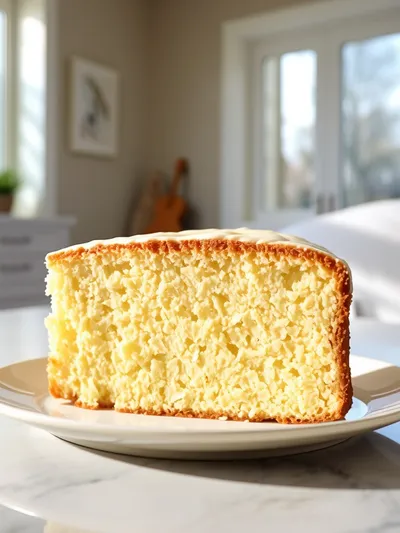
Old-Fashioned Sour Cream Pound Cake Recipe
A melt‑in‑your‑mouth, buttery loaf that whispers of home‑kitchen evenings. The sour cream keeps it tender, while the simple pantry staples create that comforting crumb you crave. Honestly, it’s the kind of cake that feels like a warm hug on a cool afternoon.
Timing
Prep Time
20 Minutes
Cook Time
45 Minutes
Total Time
1 Hour 5 Minutes
Recipe Details
Ingredients
Main Ingredients
-
01
2 cups all‑purpose flour
-
02
1 cup unsalted butter, softened
-
03
1 cup granulated sugar
-
04
1 cup sour cream
-
05
4 large eggs, room temperature
-
06
2 tbsp lemon zest
-
07
2 tsp vanilla extract
-
08
1 tsp baking powder
-
09
½ tsp salt
Optional Glaze
-
01
1 cup powdered sugar
-
02
2 tbsp fresh lemon juice
-
03
1 tsp water (if needed)
Instructions
Preheat the oven to 325°F (160°C). Grease a 9‑inch loaf pan, dust with flour, and set aside.
In a large bowl, cream the softened butter with the granulated sugar until light and fluffy, about 3‑4 minutes.
Add eggs one at a time, beating well after each addition; then stir in vanilla and lemon zest.
In a separate bowl, whisk flour, baking powder, and salt. Gradually add the dry mix to the butter mixture, alternating with the sour cream, beginning and ending with the flour.
Pour the batter into the prepared pan, smooth the top, and bake for 45‑50 minutes, or until a golden crust forms and a toothpick comes out clean.
Allow the cake to cool in the pan for 10 minutes, then remove and transfer to a wire rack to cool completely.
If using, whisk powdered sugar with lemon juice (and a splash of water if needed) to make a glaze; drizzle over the cooled cake.
Notes & Tips
-
1
For extra tenderness, sift the flour before measuring.
-
2
Make sure butter is soft but not melted; it creams better this way.
-
3
If you prefer a lighter crust, reduce the oven temperature to 300°F and bake a few minutes longer.
Tools You'll Need
-
9‑inch loaf pan
-
Electric mixer
-
Mixing bowls
-
Rubber spatula
-
Wire cooling rack
-
Zester
-
Measuring cups and spoons
Must-Know Tips
-
Don’t over‑mix after adding flour – it keeps the crumb tender
-
Room‑temperature eggs incorporate more easily, preventing curdling
-
Check the cake a few minutes before the timer ends; ovens vary
Professional Secrets
-
Sifted flour ensures an even crumb
-
Creaming butter and sugar incorporates air for lift
-
Cooling in the pan sets the structure before turning out

Recipe by
Amelia HartChef Amelia Hart is a dessert enthusiast who loves creating elegant cakes, cookies, and baked treats. Her baking style combines classic pastry techniq ...
Get Delicious Recipes Weekly
Join 25,000+ home cooks getting our best recipes straight to their inbox.
Free forever • No spam • Unsubscribe anytime