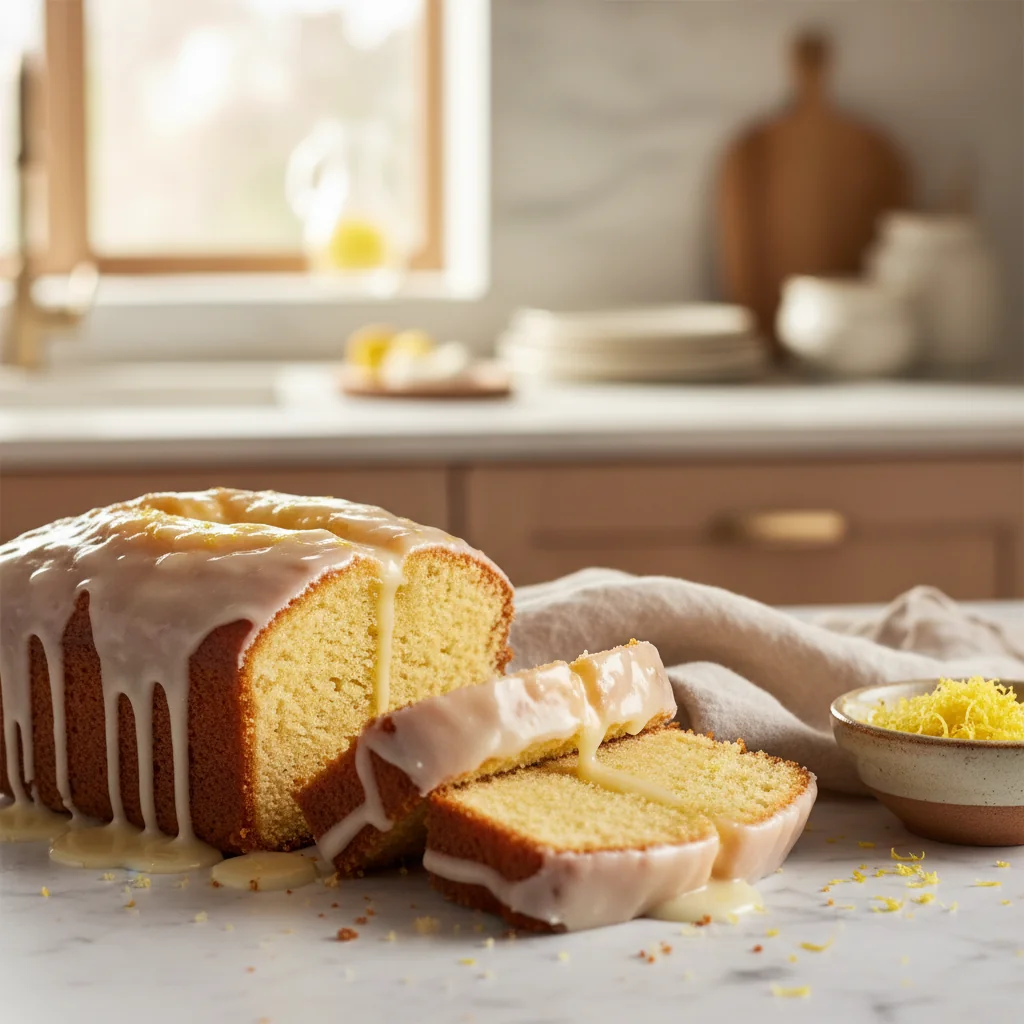
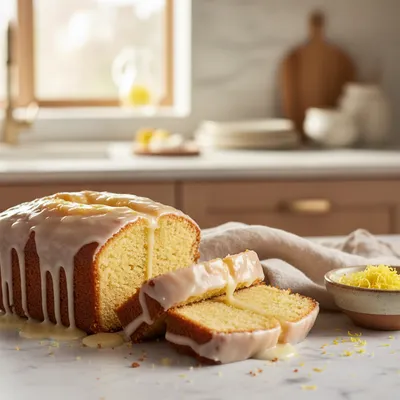
The pound cake traces its origins back to the 18th century, where the recipe was simply a pound of each main ingredient. Over time, this rustic base evolved into a symbol of sophistication in luxury hotels and high tea services. The addition of citrus oil and fresh zest transformed the dense crumb into a bright, aromatic experience. This specific style emphasizes a tight, velvety grain and a high butter content, mirroring the refined pastry standards of world-class hospitality where balance and texture are paramount.
Why You'll Love It
-
- The buttery richness that melts slowly on the tongue
-
- A bright, citrusy aroma that fills the entire home
-
- A velvety texture that stays moist for several days
-
- The simple elegance of a glaze that adds a professional touch
"The most tender crumb I have ever tasted; it feels like a hug in dessert form. Absolutely divine!"
Essential Ingredient Guide
- Unsalted Butter: Butter is the heart of this cake. Use high-quality, room-temperature butter so it creams perfectly with the sugar without any lumps.
- Fresh Lemons: Always zest before juicing. The oils in the skin provide that deep, floral citrus scent that bottled juice just cannot mimic.
- Cake Flour: I prefer cake flour here for a softer, more delicate crumb, though all-purpose works if you don't mind a slightly sturdier slice.
- Pure Vanilla Extract: A touch of vanilla rounds out the sharp acidity of the lemon, making the flavor profile feel warm and complete.
- Powdered Sugar: Sift this for the glaze to ensure there are no tiny clumps; you want a smooth, porcelain-like finish on top.
- Whole Milk: A splash of milk helps the batter reach that perfect ribbon stage and keeps the cake from being too dry.
 Desserts & Baking
Blueberry Crumble Bars – Easy Homemade Dessert
Buttery blueberry crumble bars that are easy to bake and delightful to share.
Complete Cooking Process
-
Ingredient Readiness:
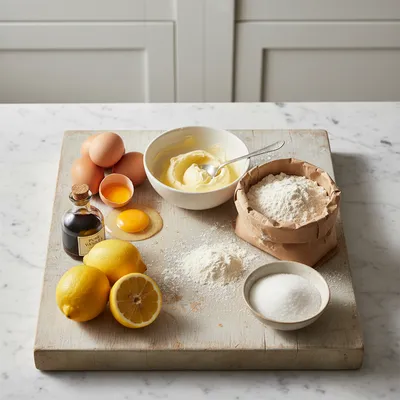
Everything needs to be at room temperature. I mean, really. If the eggs are cold, the butter will seize up, and you'll end up with a curdled batter. Just let them sit on the counter for an hour; it's worth the wait.
-
Flavor Development:
The magic happens during the creaming process. Beating the butter and sugar until it's almost white allows air to incorporate, which carries the lemon zest throughout every single bite.
-
Texture Control:
Folding in the flour gently is key. If you overmix, you'll get a tough cake. I always stir just until the white streaks disappear—no more, no less.
-
Finishing Touches:
The glaze is applied while the cake is slightly warm. This allows a little bit of the syrup to soak into the top crust, keeping it moist while the rest sets into a sweet shell.
-
Serving Timing:
It is best served slightly chilled or at room temperature. I find it tastes even better the second day once the lemon flavors have had time to settle into the butter.
-
Use a parchment sling for easy removal from the pan
-
Rub the lemon zest into the sugar to release the oils
-
Don't open the oven door during the first 30 minutes
-
Tap the pan on the counter to remove large air bubbles
Pro Tips
So, yeah, these little things might seem like a fuss, but they make a world of difference. I remember once I rushed the butter creaming, and the cake came out a bit too dense—almost like a brick. Oops. Now I just take my time and let the mixer do the work.
It is a slow process, but that's the point, isn't it? Baking is one of the few times I actually feel like slowing down and just breathing in the scent of the kitchen. It's a quiet kind of joy.

The essence of the dish:
What makes this ritz carlton lemon pound cake so special is the balance. It isn't just sweet; it has that tart, bright edge from the lemons that cuts through the richness of the butter. It's a sophisticated taste that feels timeless, like a well-loved linen tablecloth.
A fun fact or historical angle:
Pound cakes were once the gold standard for home bakers because they didn't require complex measurements—just a scale and four basic ingredients. Over time, luxury hotels refined these recipes to create the 'signature' cakes we love today.
Flavor or sensory focus:
The first thing you'll notice is the aroma—warm, buttery, and citrusy. Then comes the texture: a tight, moist crumb that feels almost creamy, finished with a sugary snap from the lemon glaze.
You Must Know
-
Avoid over-baking to prevent dry edges
-
Fresh lemons are non-negotiable for the best flavor
-
The cake must cool slightly before glazing
Frequently Asked Questions
→ Can I use a different pan?
Yes, a 9x5 inch loaf pan is standard, but a Bundt pan works too. Just be sure to grease it very well so the cake doesn't stick.
→ How do I keep the cake from sinking in the middle?
Make sure your oven is fully preheated and avoid opening the door too often. Also, ensure your flour is measured correctly using the spoon-and-level method.
→ Can I make this gluten-free?
You can substitute the cake flour with a high-quality 1:1 gluten-free baking blend, though the texture may be slightly more crumbly.
→ What if I don't have cake flour?
You can make a substitute by removing 2 tablespoons of all-purpose flour from a cup and replacing them with 2 tablespoons of cornstarch. Sift them together well.
→ How long does the cake last?
Stored in an airtight container, it stays fresh for about 4-5 days at room temperature, or up to a week in the fridge.
→ Is the glaze optional?
It is, but the glaze adds that signature Ritz-style brightness. If you skip it, a light dusting of powdered sugar is a lovely alternative.
Nutrition Facts
per serving
410
Calories
6g
Protein
48g
Carbs
18g
Fat
Taste Profile
A balanced harmony of rich butter and zesty citrus.
Ingredient Substitutions
Don't have an ingredient? Try these alternatives
Sift together three times for a similar lightness.
Will make the cake even denser and slightly more tangy.
Recipe Variations
Try these delicious twists on the original
Poppy Seed Twist
Fold in 2 tablespoons of poppy seeds to the batter for a visual and textural contrast.
Double Lemon
Add 1 tablespoon of lemon extract for an even more intense citrus punch.
Common Mistakes to Avoid
Learn from others' mistakes for perfect results
- Using cold eggs, which causes the batter to curdle
- Overmixing the flour, resulting in a tough, bread-like cake
- Applying the glaze to a piping hot cake, which makes it run off
Meal Prep & Storage
Make Ahead Tips
You can bake the cake a day in advance. Keep it wrapped and glaze it just before serving for the freshest taste.
Leftover Ideas
Reheat a slice in the microwave for 10 seconds to bring back that 'just-baked' buttery feel.
Perfect Pairings
Serve this with...
Cooking Timeline
Preheat oven and prepare the loaf pan with grease and parchment.
Cream butter and sugar, then mix in eggs, vanilla, and lemon zest.
Alternate adding dry ingredients and milk until the batter is smooth.
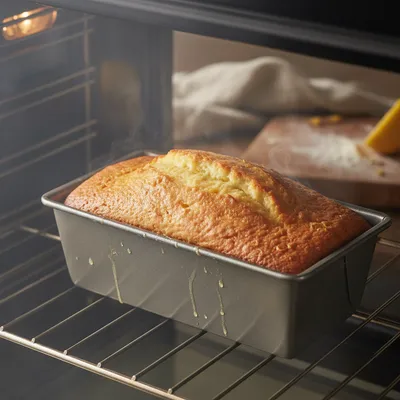
Bake the cake until a toothpick comes out clean.
Cool slightly, apply the lemon glaze, and let it set.
Ritz Carlton Lemon Pound Cake Recipe
A luxurious, buttery cake with a bright lemon zest and a creamy glaze, inspired by the elegance of high-end tea rooms.
Timing
Prep Time
20 Minutes
Cook Time
60 Minutes
Total Time
80 Minutes
Recipe Details
Ingredients
For the Cake
-
01
1 cup (2 sticks) unsalted butter, softened
-
02
1 1/2 cups granulated sugar
-
03
3 large eggs, room temperature
-
04
2 tsp vanilla extract
-
05
Zest of 2 large lemons
-
06
3 cups cake flour, sifted
-
07
1/2 tsp baking powder
-
08
1/2 tsp salt
-
09
1/2 cup whole milk, room temperature
For the Lemon Glaze
-
01
1 cup powdered sugar, sifted
-
02
2 tbsp fresh lemon juice
-
03
1 tsp lemon zest
-
04
1 tbsp melted butter
Instructions
Preheat your oven to 325°F (160°C). Grease a 9x5 inch loaf pan thoroughly with butter and line the bottom with parchment paper. Now, in a large bowl, cream together the softened butter and granulated sugar. I usually do this on medium-high until it looks pale and fluffy—about 3 to 5 minutes.
Add the eggs one at a time, beating well after each addition. It might look a little separated at first, but just keep going. Stir in the vanilla extract and the lemon zest. This is where the smell starts to get really wonderful, wow.
In a separate bowl, whisk together the cake flour, baking powder, and salt. Gradually add the dry ingredients to the butter mixture, alternating with the milk. Start with flour, then milk, and end with flour. Stir gently with a spatula—don't overwork it, or we'll lose that tenderness.
Pour the batter into the prepared pan and smooth the top. Bake for 55 to 65 minutes. You'll know it's ready when a toothpick inserted into the center comes out clean or with just a few moist crumbs.
Let the cake cool in the pan for about 10 minutes before turning it out onto a wire rack. While it's cooling, whisk together the powdered sugar, lemon juice, zest, and melted butter for the glaze.
Pour the glaze over the top of the cake while it's still slightly warm. Let it drip down the sides naturally and allow it to set for 15 minutes before slicing.
Notes & Tips
-
1
If the glaze is too thick, add a few drops more of lemon juice. If it's too thin, add a bit more powdered sugar.
-
2
For an even more moist result, try a moist lemon pound cake approach by brushing the cake with a lemon syrup before glazing.
-
3
Avoid using margarine; the flavor of real butter is essential for that Ritz-style quality.
Tools You'll Need
-
9x5 inch Loaf Pan
-
Electric Hand Mixer or Stand Mixer
-
Sifter or Fine-mesh Strainer
-
Parchment Paper
-
Wire Cooling Rack
-
Mixing Bowls
Must-Know Tips
-
Room temperature eggs prevent the batter from breaking
-
Sift the flour to ensure no clumps and a lighter texture
-
Don't overbake; start checking at 50 minutes
-
Use a sharp serrated knife for the cleanest slices
Professional Secrets
-
Rubbing zest into sugar: This releases the essential oils and intensifies the lemon flavor
-
Low and slow baking: A lower temperature prevents the top from cracking too much
-
The 'Sling' method: Using parchment paper that hangs over the sides makes removal effortless
Recipe by
Amelia HartChef Amelia Hart is a dessert enthusiast who loves creating elegant cakes, cookies, and baked treats. Her baking style combines classic pastry techniq ...
Get Delicious Recipes Weekly
Join 25,000+ home cooks getting our best recipes straight to their inbox.
Free forever • No spam • Unsubscribe anytime