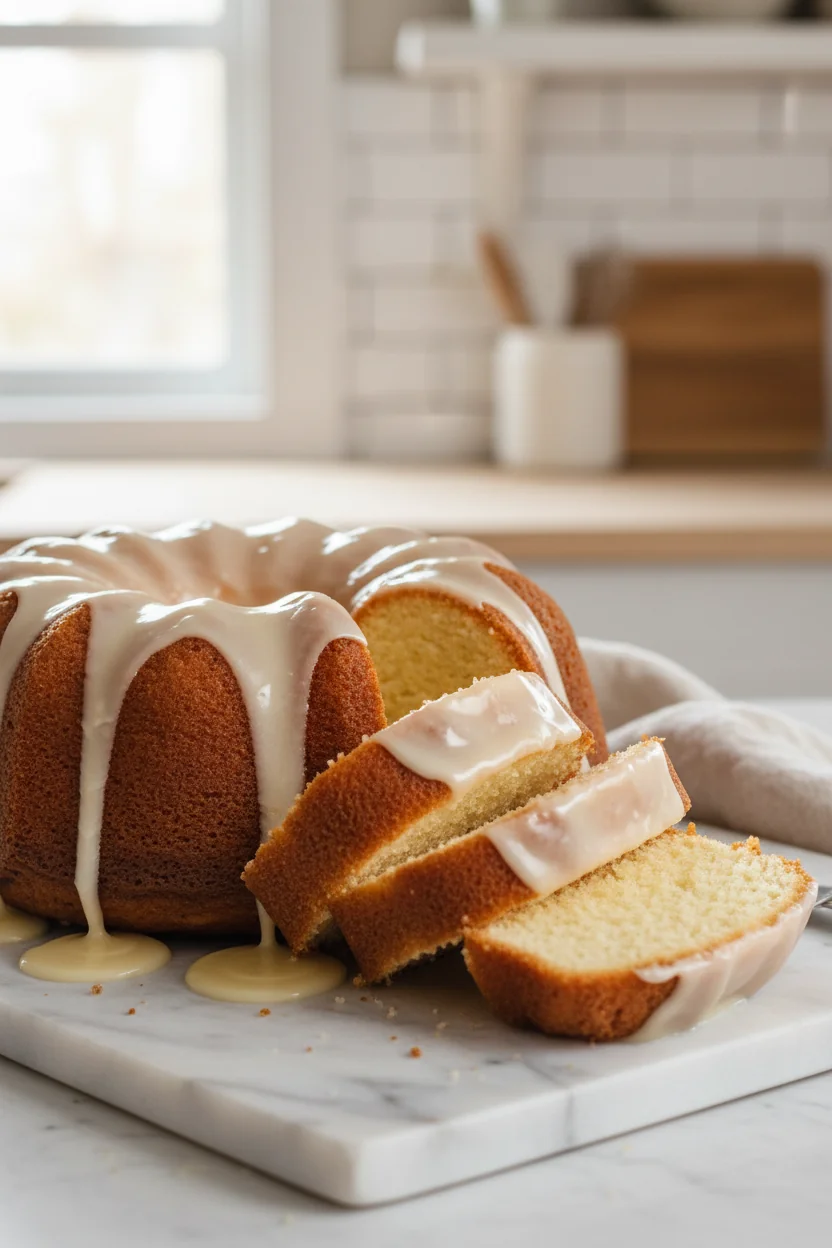
Pound cake originates from the 18th century, born from a time when recipes were simple ratios rather than precise measurements—originally calling for a pound each of flour, butter, eggs, and sugar. This specific Southern variation emphasizes a denser, more buttery crumb and a deeper golden hue, reflecting a tradition of hospitality and hearth-baked comfort. Over generations, the method shifted from hand-beating for hours to using mixers, but the essence of the cake remained a symbol of abundance and home-style generosity, serving as a cornerstone of community gatherings across the American South.
Why You'll Love It
-
- An incredibly moist texture that doesn't dry out overnight
-
- A rich, buttery flavor profile that pairs perfectly with tea or coffee
-
- Simple ingredients you likely already have in your pantry
-
- A foolproof method that ensures a high, golden-brown rise every time
"This cake is absolutely divine. It has that old-school buttery taste that reminds me exactly of my childhood Sundays."
Essential Ingredient Guide
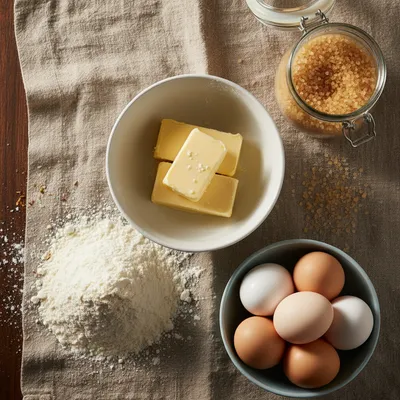
- Unsalted Butter: Use high-quality butter softened to room temperature. This is the backbone of the cake's flavor and ensures that velvety crumb.
- Cake Flour: I prefer cake flour over all-purpose because it keeps the cake tender. If you don't have it, you can sift out a bit of flour and replace it with cornstarch.
- Fresh Eggs: Let your eggs sit out for a while. Cold eggs can curdle the butter, and we want a smooth, airy batter.
- Pure Vanilla Extract: Don't be shy here. A generous splash of real vanilla provides that nostalgic aroma that defines a vanilla pound cake.
- Whole Milk: A small amount of milk helps bind the batter and adds a subtle richness to the final texture.
- Granulated Sugar: Fine sugar dissolves more easily into the butter, preventing any grainy pockets in your finished slices.
Complete Cooking Process
-
Ingredient Readiness:
The secret is in the temperature. Everything—the butter, the eggs, the milk—needs to be at room temperature. If the butter is too cold, it won't cream with the sugar; if the eggs are too cold, they'll seize the fat. Just let them sit on the counter for an hour while you gather your things.
-
Flavor Development:
The magic happens during the creaming stage. When you beat the butter and sugar together, you're creating tiny air pockets. This is where the richness develops, and the vanilla begins to meld into the fat, creating that signature golden scent.
-
Texture Control:
Fold in your flour gently. I remember once over-mixing a batch and it came out like a brick—oops. To keep this classic pound cake tender, stop mixing the moment the last streak of flour disappears.
-
Finishing Touches:
Once it comes out of the oven, let it rest in the pan for about ten minutes. This allows the structure to set so it doesn't crumble when you flip it onto the cooling rack.
-
Serving Timing:
While it's lovely warm, this cake is actually better the next day. The flavors settle and the moisture redistributes, making it even more succulent.
-
Grease your pan thoroughly, even if it's non-stick, using butter and a dusting of flour.
-
Avoid opening the oven door too often, as the draft can cause the center to sink.
-
Use a toothpick or skewer to check the center; it should come out clean or with a few moist crumbs.
-
For a softer top, brush the cake with melted butter immediately after removing it from the oven.
Pro Tips
Honestly, the most important thing is to trust your instincts. Every oven is a little different, so if you see the edges browning too quickly, just slide a baking sheet on the rack above to shield the top.
Well, look, don't stress if the top cracks a bit. In a traditional cake like this, a crack is just a sign of a hearty rise and a bit of rustic charm. It's the taste and the feel that really matter.
The essence of the dish:
What makes this cake special is the balance between simplicity and luxury. It doesn't rely on frostings or fancy fillings. Instead, it celebrates the pure, unadulterated joy of butter and sugar, resulting in a dense yet moist crumb that feels substantial without being heavy.
A fun fact or historical angle:
The original 'pound' cake was essentially the first standardized recipe in history. Because scales weren't always available, the name served as the recipe itself, ensuring consistency across different households.
Flavor or sensory focus:
When you take a bite, you'll notice the initial sweetness of the golden crust, followed by a deep, creamy buttery flavor and a lingering hint of floral vanilla. The texture is a soft, consistent melt-in-your-mouth experience.
You Must Know
-
Sifting the flour is not optional; it prevents lumps and keeps the cake light.
-
Room temperature eggs are non-negotiable for the emulsion to work.
-
Ensure your butter is pliable but not oily or melting.
Frequently Asked Questions
→ Can I use all-purpose flour instead of cake flour?
Yes, you can. However, the texture will be slightly denser. To mimic cake flour, replace 2 tablespoons of the all-purpose flour with 2 tablespoons of cornstarch and sift them together twice.
→ Why did my pound cake sink in the middle?
This usually happens if the oven door was opened too early or if the baking powder/soda was expired. Ensure the cake is fully set before checking.
→ How do I keep the cake from sticking to the pan?
The old-fashioned way is best: rub a generous amount of softened butter inside the pan and then shake in some flour, tapping out the excess. This creates a reliable barrier.
→ Can I add lemon to this recipe?
Absolutely. For a moist lemon pound cake, simply add the zest of two lemons to the creamed butter and sugar.
→ How should I store the cake to keep it moist?
Wrap the cooled cake tightly in plastic wrap or store it in an airtight container at room temperature for up to 3 days, or freeze slices for up to a month.
→ What is the difference between this and a sour cream cake?
A sour cream pound cake is slightly tangier and often even moister due to the fat in the sour cream, whereas this version is more purely buttery.
Nutrition Facts
per serving
410
Calories
6g
Protein
52g
Carbs
18g
Fat
Taste Profile
Rich, buttery sweetness with a comforting vanilla finish.
Ingredient Substitutions
Don't have an ingredient? Try these alternatives
Use the cornstarch method mentioned in the FAQ for best results.
Makes the cake even richer and slightly denser.
Recipe Variations
Try these delicious twists on the original
Marble Version
Swirl in some melted chocolate or cocoa-flavored batter for a beautiful marbled look.
Almond Twist
Replace half of the vanilla extract with almond extract for a nutty, aromatic flavor.
Common Mistakes to Avoid
Learn from others' mistakes for perfect results
- Over-mixing the flour which leads to a tough, bread-like cake.
- Using cold eggs which causes the butter to curdle and the cake to be uneven.
- Under-greasing the pan, causing the cake to break upon removal.
Meal Prep & Storage
Make Ahead Tips
The batter can be prepared and kept in the fridge for up to 12 hours, but it must be brought back to room temperature before baking.
Leftover Ideas
Slices can be lightly toasted in a pan with a pat of butter for a warm, decadent treat.
Perfect Pairings
Serve this with...
Cooking Timeline
Preheat oven and grease the pan.
Cream butter and sugar until pale and fluffy.
Incorporate eggs and vanilla one by one.
Gently fold in flour and milk in alternating batches.
Bake until golden brown and a toothpick comes out clean.
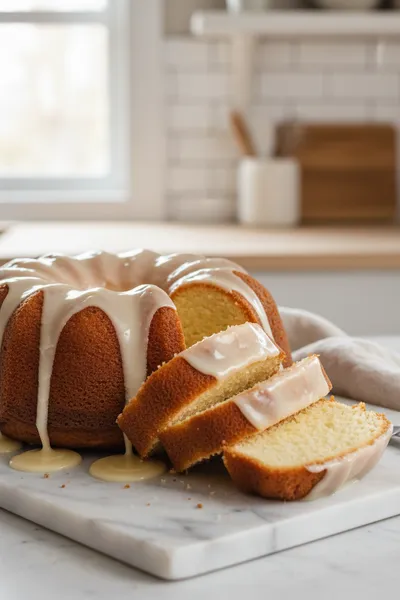
Slap Ya Momma Pound Cake Recipe: Moist & Easy
A rich, buttery delight that stays moist for days. This slap ya momma pound cake is the kind of dessert that makes a house feel like a home.
Timing
Prep Time
20 Minutes
Cook Time
60 Minutes
Total Time
80 Minutes
Recipe Details
Ingredients
Core Batter
-
01
1 cup (2 sticks) unsalted butter, softened
-
02
2 cups granulated sugar
-
03
4 large eggs, room temperature
-
04
3 cups cake flour, sifted
-
05
1 tsp baking powder
-
06
1/2 tsp salt
Flavor & Moisture
-
01
2 tsp pure vanilla extract
-
02
1/2 cup whole milk, room temperature
-
03
1 tbsp melted butter (for greasing pan)
Instructions
Preheat your oven to 325°F (165°C). Grease a 10-inch tube pan or Bundt pan generously with butter and a light dusting of flour to ensure a smooth release.
In a large bowl or stand mixer, cream together the softened butter and granulated sugar on medium-high speed for about 3 to 5 minutes. You want it to look pale, fluffy, and almost like whipped cream.
Add the eggs one at a time, beating well after each addition. This ensures the batter stays emulsified and doesn't separate. Stir in the vanilla extract.
In a separate bowl, whisk together the sifted cake flour, baking powder, and salt. This is essentially a old-fashioned pound cake recipe method that guarantees no lumps.
Turn the mixer to low. Gradually add the flour mixture in three parts, alternating with the room temperature milk. Begin and end with the flour. Mix only until combined; over-mixing will make the cake tough.
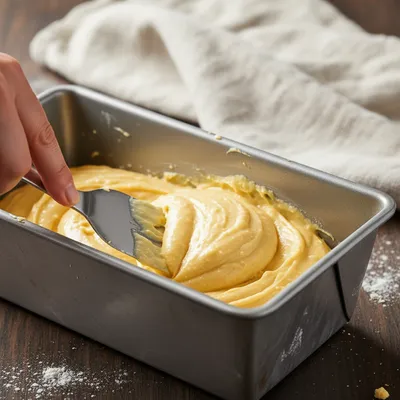
Spoon the thick batter into the prepared pan and smooth the top with a spatula. Bake for 55 to 65 minutes, or until a toothpick inserted in the center comes out clean.
Let the cake cool in the pan for 10 minutes before carefully inverting it onto a wire rack to cool completely.
Notes & Tips
-
1
If you prefer a denser, more traditional feel, you can omit the baking powder entirely for a classic southern pound cake.
-
2
Always use room temperature ingredients to avoid a broken batter.
-
3
If the cake is browning too quickly on top, tent it loosely with foil for the last 15 minutes.
Tools You'll Need
-
10-inch Bundt or tube pan
-
Electric hand mixer or stand mixer
-
Sifter or fine-mesh strainer
-
Large mixing bowls
-
Rubber spatula
-
Measuring cups and spoons
-
Toothpick or cake tester
Must-Know Tips
-
Do not overbeat the batter once the flour is added; it activates gluten which makes the cake bread-like.
-
Sift your flour twice if you are using a brand that tends to clump.
-
Ensure your butter is genuinely softened, not melted, to maintain the air structure.
Professional Secrets
-
The 'Slow Add' technique: adding eggs one by one prevents the fat from separating, leading to a tighter, more professional crumb.
-
Double-Sifting: Sifting both the dry ingredients and the final batter can lead to an incredibly airy result.
-
The Resting Period: Letting the cake cool slightly in the pan allows the proteins to set, preventing the 'sink' during the flip.
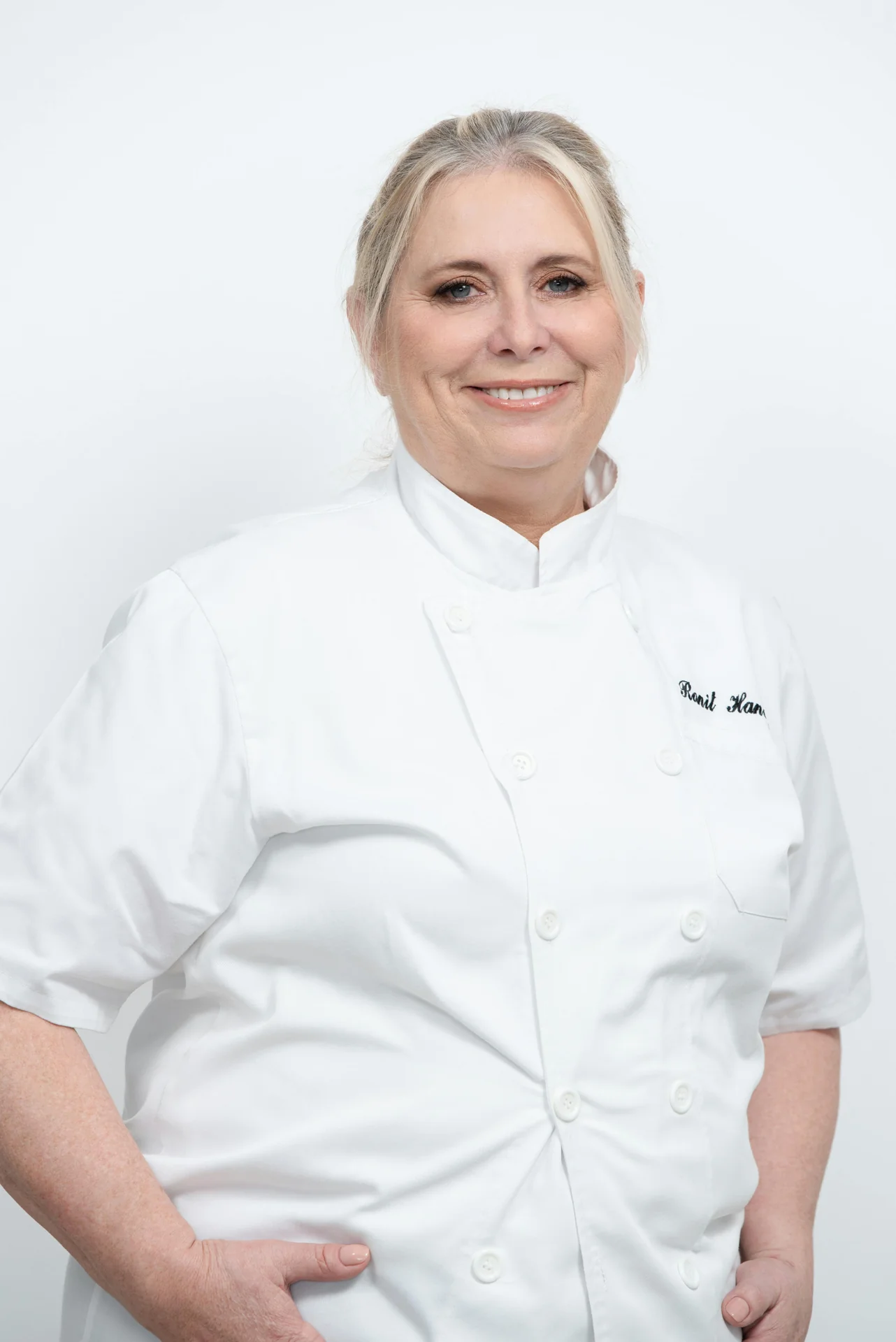
Recipe by
Amelia HartChef Amelia Hart is a dessert enthusiast who loves creating elegant cakes, cookies, and baked treats. Her baking style combines classic pastry techniq ...
Get Delicious Recipes Weekly
Join 25,000+ home cooks getting our best recipes straight to their inbox.
Free forever • No spam • Unsubscribe anytime