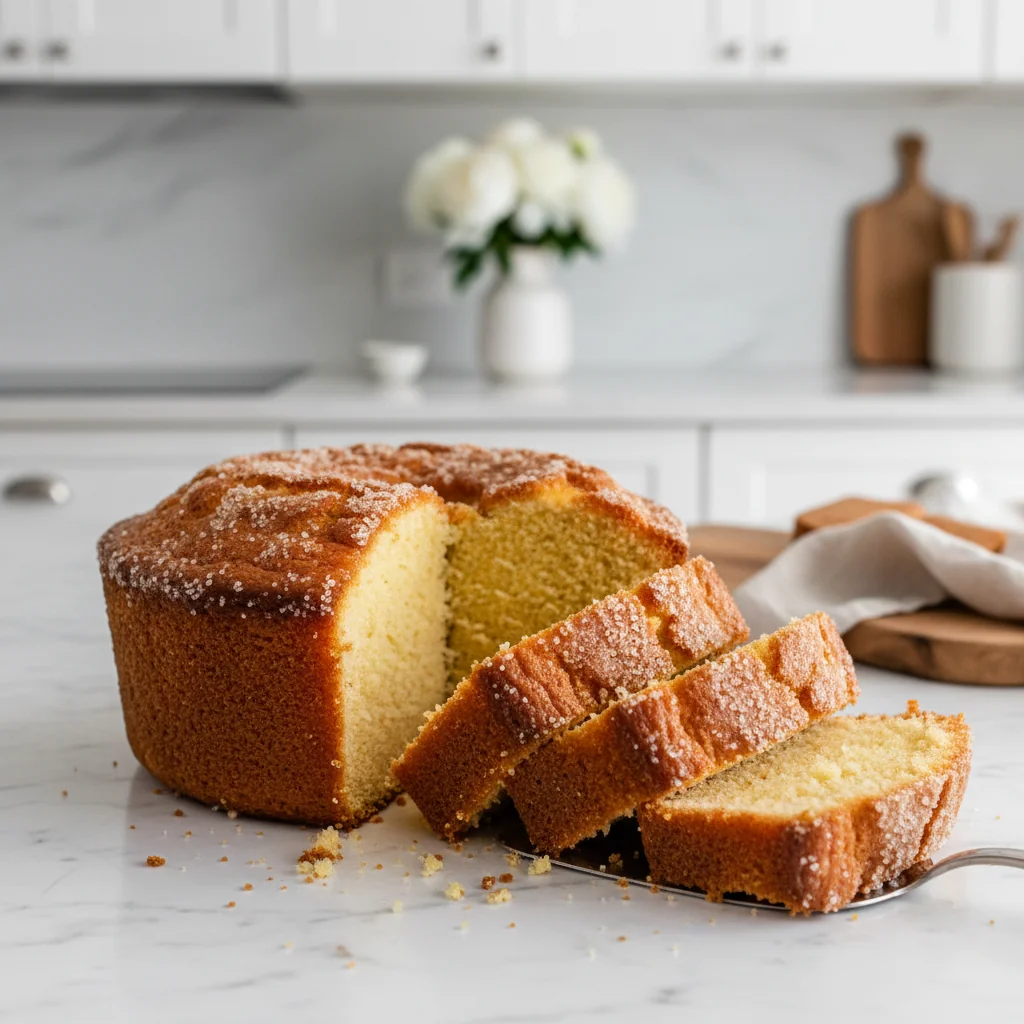
Pound cakes trace their origins back to 18th-century England, where the recipe literally called for a pound each of butter, sugar, eggs, and flour. Over time, the addition of sour cream became a cherished secret in American home baking, particularly in the South, to counteract the denseness of the traditional batter. The lactic acid in the sour cream breaks down the gluten, resulting in a tighter, more velvety crumb that resists drying out, turning a simple tea cake into a decadent centerpiece.
Why You'll Love It
-
- An incredibly moist texture that stays fresh for several days
-
- A rich, buttery flavor that isn't overly sweet
-
- Simple ingredients that you likely already have in your pantry
-
- A versatile base that pairs perfectly with tea, coffee, or fresh berries
"This is the exact flavor of my childhood. So moist and buttery, it's honestly the best cake I've had in years."
Essential Ingredient Guide
- Unsalted Butter: Use high-quality butter and ensure it is truly at room temperature. This is what creates the air pockets for a light lift.
- Full-Fat Sour Cream: Avoid low-fat versions; the fat is what provides the signature moisture and slight tang to the crumb.
- Cake Flour: Using cake flour instead of all-purpose gives a softer, more delicate texture, though all-purpose works if you don't overmix.
- Pure Vanilla Extract: A generous splash adds a comforting depth. I prefer the real stuff over imitation for that warm, floral aroma.
- Fresh Eggs: Like the butter, eggs should be room temperature so they emulsify properly into the batter without curdling.
- Granulated Sugar: Ensure it is fine-grained so it dissolves easily into the butter for a smooth, non-gritty finish.
 Desserts & Baking
Blueberry Crumble Bars – Easy Homemade Dessert
Buttery blueberry crumble bars that are easy to bake and delightful to share.
Complete Cooking Process
-
Ingredient Readiness:
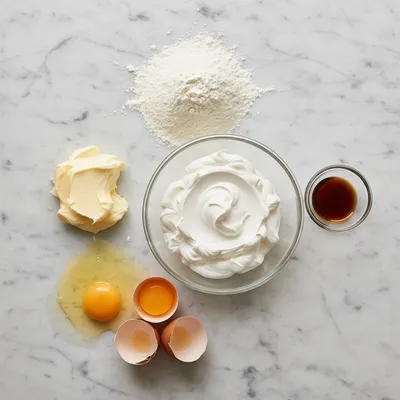
Everything—the butter, eggs, and sour cream—needs to be at room temperature. I usually set them out a few hours before I start. If you're in a rush, you can pop the eggs in warm water for a bit. This is the secret to a smooth batter that doesn't separate.
-
Flavor Development:
The magic happens during the creaming stage. Beating the butter and sugar until pale and fluffy incorporates air, which carries the vanilla and salt deeper into the cake, creating that classic classic pound cake taste.
-
Texture Control:
When adding the flour and sour cream, switch to a low speed or a spatula. If you overwork the batter, the cake becomes tough. You want to fold them in just until the white streaks disappear, keeping the batter light and airy.
-
Finishing Touches:
Once the cake comes out of the oven, let it sit in the pan for about ten minutes. This allows the structure to set so it doesn't crack when you flip it onto a wire rack to cool completely.
-
Serving Timing:
While it's tempting to eat it warm, this cake actually tastes better the next day. The flavors meld and the moisture settles, making it even more tender.
-
Don't overmix the batter once the flour is added to avoid a rubbery texture.
-
Line your pan with parchment paper to ensure a clean release every time.
-
Use a toothpick to check the center; it should come out clean or with a few moist crumbs.
-
Tap the pan on the counter before baking to remove any large air bubbles.
Pro Tips
I've learned over the years that patience is the most important ingredient here. I mean, it's so hard to wait for the cake to cool, but if you slice it too early, the steam escapes and the cake can dry out faster.
Also, don't be afraid of the butter. Some people try to cut it back, but the richness is what makes a old fashioned pound cake feel like a treat. Just take your time, keep your ingredients warm, and the cake will take care of itself.
The essence of the dish:
What makes this cake special is the subtle tang of the sour cream, which cuts through the richness of the butter. It transforms a heavy dessert into something that feels lighter on the palate while remaining incredibly indulgent.
A fun fact or historical angle:
In the early days of baking, pound cakes were a sign of wealth because butter and sugar were expensive luxuries. Adding sour cream was a clever way for home cooks to extend the life of the cake and add moisture without needing extra expensive fats.
Flavor or sensory focus:
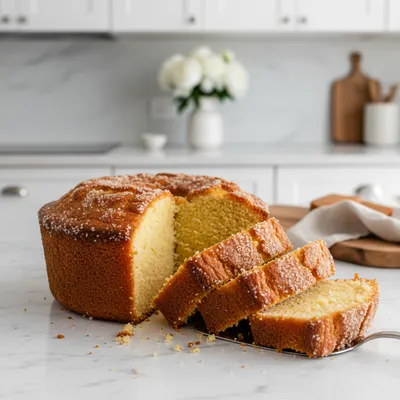
The first thing you'll notice is the golden-brown crust that smells of toasted vanilla. Then, you get that soft, velvety interior that practically dissolves, leaving a lingering sweetness and a creamy finish.
You Must Know
-
Room temperature ingredients are non-negotiable for the texture.
-
Avoid opening the oven door frequently, as the drop in temp can cause the cake to sink.
-
Sour cream must be full-fat for the correct chemical reaction with the flour.
Frequently Asked Questions
→ Can I use Greek yogurt instead of sour cream?
Yes, you can use plain full-fat Greek yogurt as a 1:1 substitute. The texture will be very similar, though the tang might be slightly more pronounced.
→ Why did my pound cake sink in the middle?
This usually happens if the oven door was opened too often or if the baking powder was expired. Ensure your oven is fully preheated.
→ How do I keep the cake moist for longer?
Once cooled, wrap the cake tightly in plastic wrap or store it in an airtight container. It actually gets moister the second day.
→ Can I make this gluten-free?
You can try a 1:1 gluten-free baking flour blend, but the texture may be slightly denser. Adding an extra egg yolk can help with the tenderness.
→ What is the best pan to use?
A traditional tube pan or a loaf pan works best. Tube pans allow for more even heat distribution in the center of the dense batter.
→ Can I freeze the cake?
Absolutely. Slice the cake first, wrap each slice individually in parchment and foil, and freeze for up to three months.
Nutrition Facts
per serving
410
Calories
6g
Protein
38g
Carbs
22g
Fat
Taste Profile
Rich, buttery, and comforting with a subtle creamy tang.
Ingredient Substitutions
Don't have an ingredient? Try these alternatives
The cake will be slightly denser, but still delicious.
A great alternative that provides a similar tang and moisture.
Recipe Variations
Try these delicious twists on the original
Lemon Twist
Add the zest of two large lemons to the sugar and a tablespoon of lemon juice to the sour cream.
Maple Glazed
Whisk together maple syrup and powdered sugar to create a thin glaze to drizzle over the cooled cake.
Common Mistakes to Avoid
Learn from others' mistakes for perfect results
- Using cold ingredients which leads to a broken, curdled batter.
- Over-mixing after adding flour, which creates a tough, bready texture.
- Checking the cake too often, which lets the heat escape and ruins the lift.
Meal Prep & Storage
Make Ahead Tips
You can prepare the batter and keep it in the fridge for a few hours, but let it come back to room temperature before baking for the best rise.
Leftover Ideas
Slices can be toasted lightly in a pan with a tiny bit of butter for a warm, dessert-like treat.
Perfect Pairings
Serve this with...
Cooking Timeline
Preheat oven and prep the baking pan.
Cream butter and sugar, then add eggs and vanilla.
Alternate adding dry ingredients and sour cream.
Bake the cake until a toothpick comes out clean.
Cool in pan for 10 mins, then move to wire rack to cool completely.
Sour Cream Pound Cake: Melt In Your Mouth Recipe
A timeless, buttery cake that stays moist for days thanks to the addition of rich sour cream. Perfect for cozy afternoons and quiet family gatherings.
Timing
Prep Time
20 Minutes
Cook Time
65 Minutes
Total Time
85 Minutes
Recipe Details
Ingredients
Dry Ingredients
-
01
3 cups cake flour (sifted)
-
02
1/2 tsp baking soda
-
03
1/2 tsp salt
Wet Ingredients
-
01
1 cup (2 sticks) unsalted butter, softened
-
02
1 1/2 cups granulated sugar
-
03
3 large eggs, room temperature
-
04
1 cup full-fat sour cream, room temperature
-
05
2 tsp pure vanilla extract
Instructions
Preheat your oven to 325°F (160°C). Grease your pound cake pan thoroughly with butter and a dusting of flour, or line the bottom with parchment paper for a safer release.
In a large bowl, cream together the softened butter and granulated sugar using a mixer on medium-high speed. Keep going until the mixture looks pale, fluffy, and light—this usually takes about 3 to 5 minutes.
Add the eggs one at a time, beating well after each addition. Stir in the vanilla extract until combined. The batter should look smooth and glossy.
In a separate bowl, whisk together the cake flour, baking soda, and salt. Slowly add the dry ingredients to the butter mixture, alternating with the sour cream. Start and end with the flour, mixing on low speed just until combined.
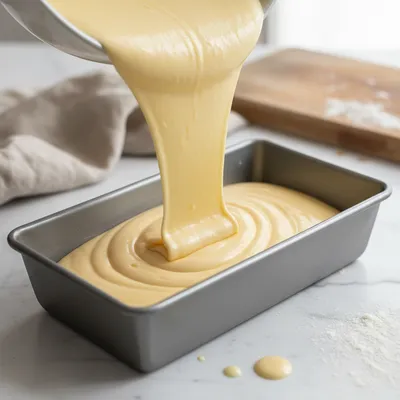
Pour the batter into the prepared pan and smooth the top with a spatula. Bake for 60 to 70 minutes, or until a toothpick inserted in the center comes out clean.
Cool the cake in the pan for 10 minutes, then carefully invert it onto a wire rack to cool completely before serving.
Notes & Tips
-
1
If you don't have cake flour, replace 2 tablespoons of all-purpose flour with 2 tablespoons of cornstarch and sift them together.
-
2
Avoid over-beating the eggs; just mix until they are fully incorporated to keep the cake from becoming too airy and collapsing.
-
3
For a slightly different flavor, you can swap one teaspoon of vanilla for almond extract.
Tools You'll Need
-
Electric hand mixer or stand mixer
-
Large mixing bowls
-
Sifter
-
Rubber spatula
-
10-inch tube pan or 9x5 loaf pan
-
Wire cooling rack
-
Toothpick
Must-Know Tips
-
Don't rush the butter creaming process; the air you beat in now is what makes the cake light.
-
Ensure your sour cream is not cold, otherwise, it will chill the butter and cause the batter to clump.
-
Sift your flour twice if you want an extra-fine, professional crumb structure.
Professional Secrets
-
Sifting the dry ingredients twice removes lumps and ensures the leavening agent is evenly distributed.
-
Tapping the pan firmly on the counter before putting it in the oven removes large air pockets that can cause uneven holes.
-
Using a low oven temperature (325°F) prevents the outside from burning before the dense center is cooked.
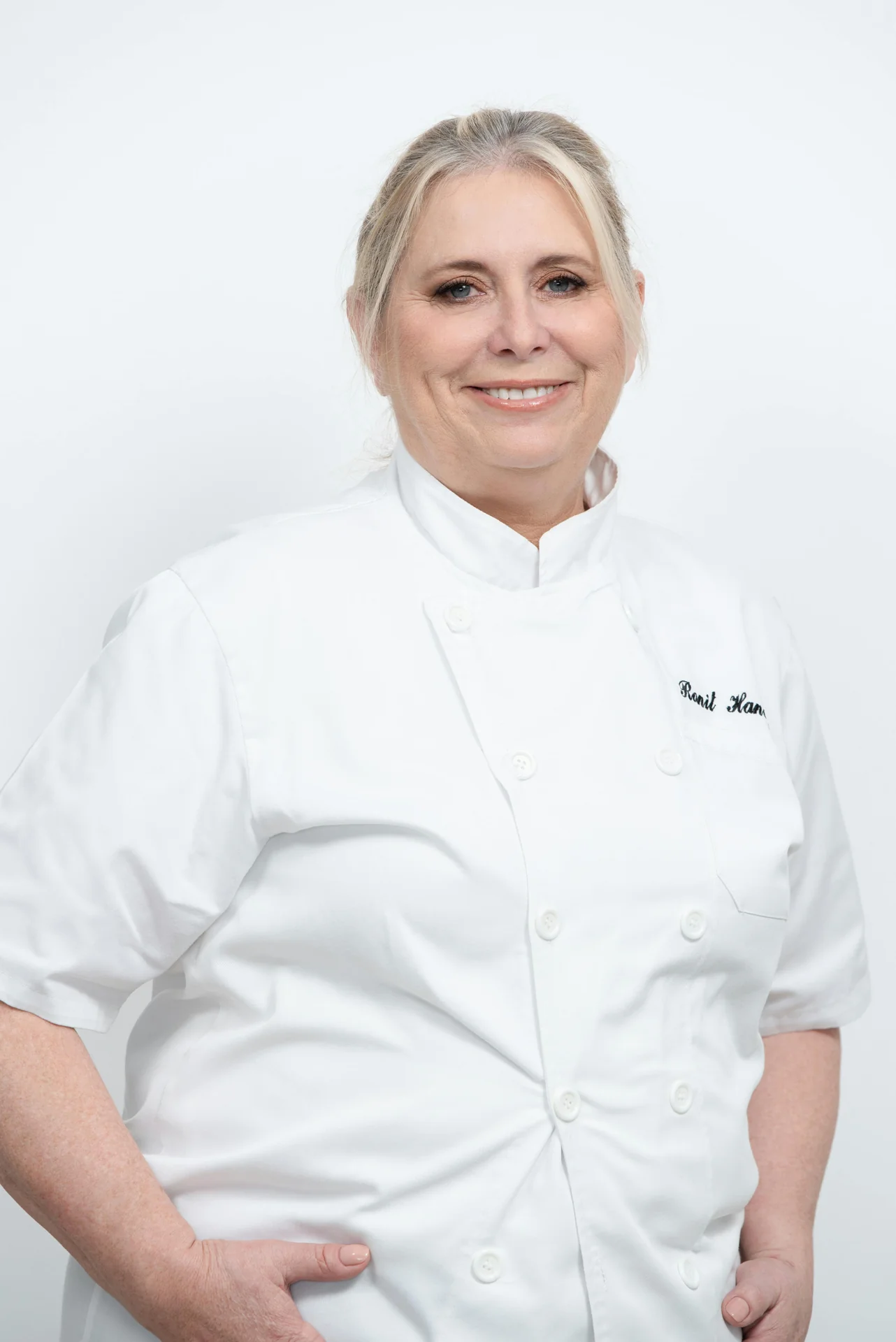
Recipe by
Amelia HartChef Amelia Hart is a dessert enthusiast who loves creating elegant cakes, cookies, and baked treats. Her baking style combines classic pastry techniq ...
Get Delicious Recipes Weekly
Join 25,000+ home cooks getting our best recipes straight to their inbox.
Free forever • No spam • Unsubscribe anytime