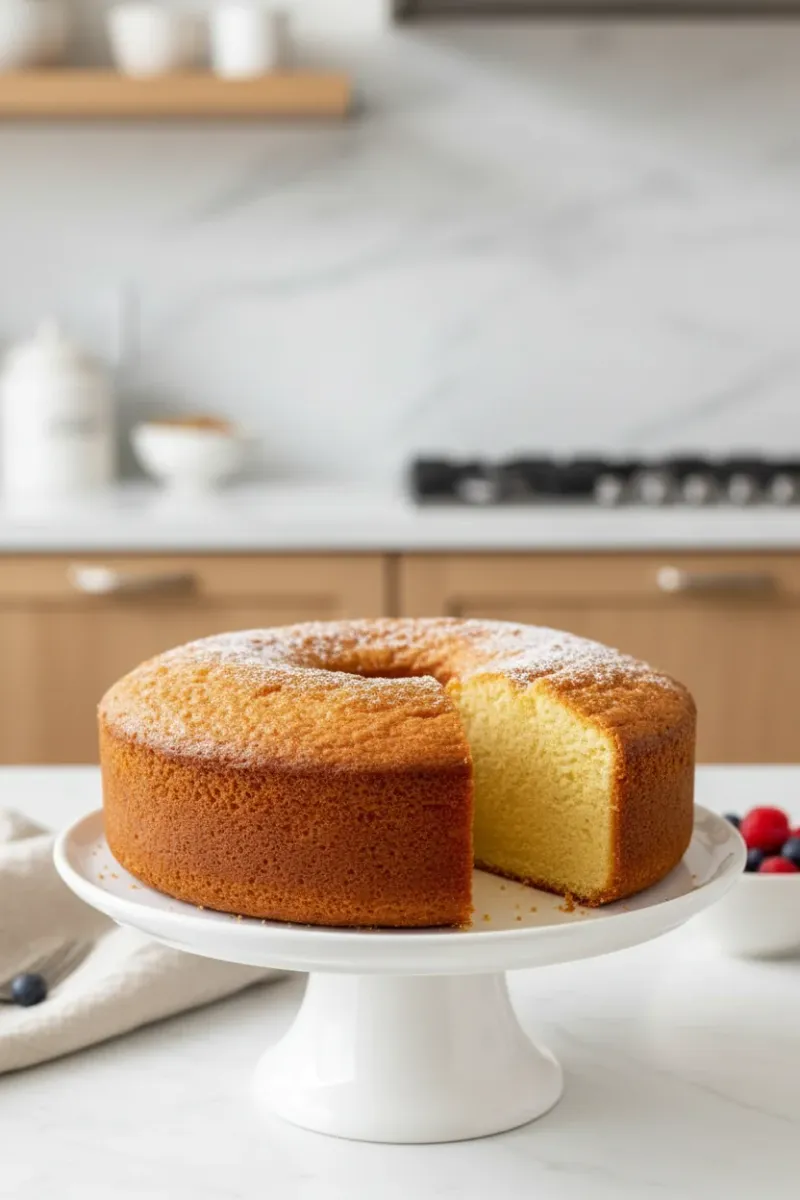
So, there is something about a kitchen that smells like toasted butter and vanilla that just settles the soul, isn't there? I've always felt that baking isn't really about the precision, but about the feeling you put into it. Today, we are making a paula deen pound cake, and honestly, it's just the kind of dessert that makes a house feel like a home. It's rich, it's steady, and it doesn't try to be anything other than a comforting slice of sweetness.
The essence of the dish
What makes this cake special is the sheer generosity of the butter. Unlike a sponge cake, which is airy and light, this is a soulful, heavy-hitting dessert. It's the kind of treat that pairs perfectly with a cup of coffee on a rainy afternoon, providing a sense of stability and sweetness.
A fun fact or historical angle
Pound cakes were so popular in early American cooking because they relied on basic pantry staples. Before refined baking powders were common, the air beaten into the butter and the lift from the eggs were the only things keeping the cake from being a brick!
Flavor or sensory focus
The first thing you'll notice is the scent—a deep, caramelized vanilla and warm cream. When you bite in, it's the texture: a dense, melt-in-your-mouth quality that feels luxurious and comforting, almost like a hug in dessert form.
You Must Know
- Avoid using a high-heat setting; a steady, moderate oven prevents the outside from burning while the inside stays raw.
- Ensure your pan is properly prepped, as the high sugar content can cause the cake to stick easily.
- Do not over-mix after adding the flour, or you'll lose that tender crumb.
I've spent years refining my approach to classic pound cake styles, and the most important thing is simply not to stress. If the cake sinks a little in the middle, just fill that hole with fresh berries. No one will ever know.
Look, baking is an art, but it's also a labor of love. Whether you're making a grandmothers pound cake or something more modern, the joy is in the sharing. So, pour yourself a glass of milk and enjoy the process.
The story behind it
The pound cake is a culinary relic from an era when ingredients were measured by weight rather than volume. Originally, a true pound cake consisted of exactly one pound each of flour, butter, eggs, and sugar. This simple ratio created a dense, sturdy cake that could withstand long journeys and served as the foundation for many regional variations across the American South. Over time, the recipe evolved to include leavening agents and richer fats, transforming the humble brick of cake into a tender, velvety dessert that defines Southern hospitality.
Why You'll Love It
- The buttery richness is deeply satisfying and comforting
- It has a dense yet moist crumb that stays fresh for days
- Extremely simple ingredients that you likely already have in your pantry
- A golden-brown crust that provides a lovely contrast to the soft interior
Tips for success
- Room temperature is non-negotiable for butter and eggs to ensure a smooth emulsion.
- Sift your flour to avoid any lumps that might disrupt the velvety texture.
- Don't peek too often! Opening the oven door lets out the heat and can cause the cake to dip.
Professional secrets
- Use a slow-speed fold for the flour to maintain the air bubbles created during creaming.
- A touch of salt enhances the sweetness and makes the butter flavor 'pop'.
- Greasing the pan with butter instead of oil gives the crust a more savory, toasted flavor.
Common mistakes to avoid
- Over-mixing the flour, which results in a tough, rubbery cake.
- Using cold eggs, which causes the batter to curdle and lose volume.
- Under-greasing the pan, leading to the cake sticking and breaking upon removal.
Substitutions
- Cake flour: All-purpose flour minus 2 tbsp, plus 2 tbsp cornstarch. Sift together well for the best imitation of cake flour.
- Unsalted butter: Salted butter. Reduce the added salt in the recipe by a pinch.
Variations
- Lemon Glaze: Whisk powdered sugar with a bit of fresh lemon juice and drizzle over the cooled cake.
- Marble Swirl: Stir cocoa powder and a bit of milk into a third of the batter and swirl it into the vanilla base.
Storage
Store in an airtight container at room temperature for up to 3 days, or freeze slices wrapped in foil for up to 2 months.
Make ahead
The batter cannot be made far in advance as the air will deflate. However, the cake can be baked and stored for days, or frozen for later.
Leftovers
Reheat individual slices in the microwave for 10 seconds to bring back that 'just baked' buttery warmth.
Serving ideas
- Dust with powdered sugar for a simple, elegant look.
- Serve with a side of fresh whipped cream and berries.
- Slice thinly and serve with a hot tea or coffee.
- Pair with a slice of sharp cheddar for a Southern twist.
Allergy information
Contains wheat (gluten), eggs, and dairy. Not suitable for those with these allergies.
Paula Deen Pound Cake: Rich and Buttery Recipe
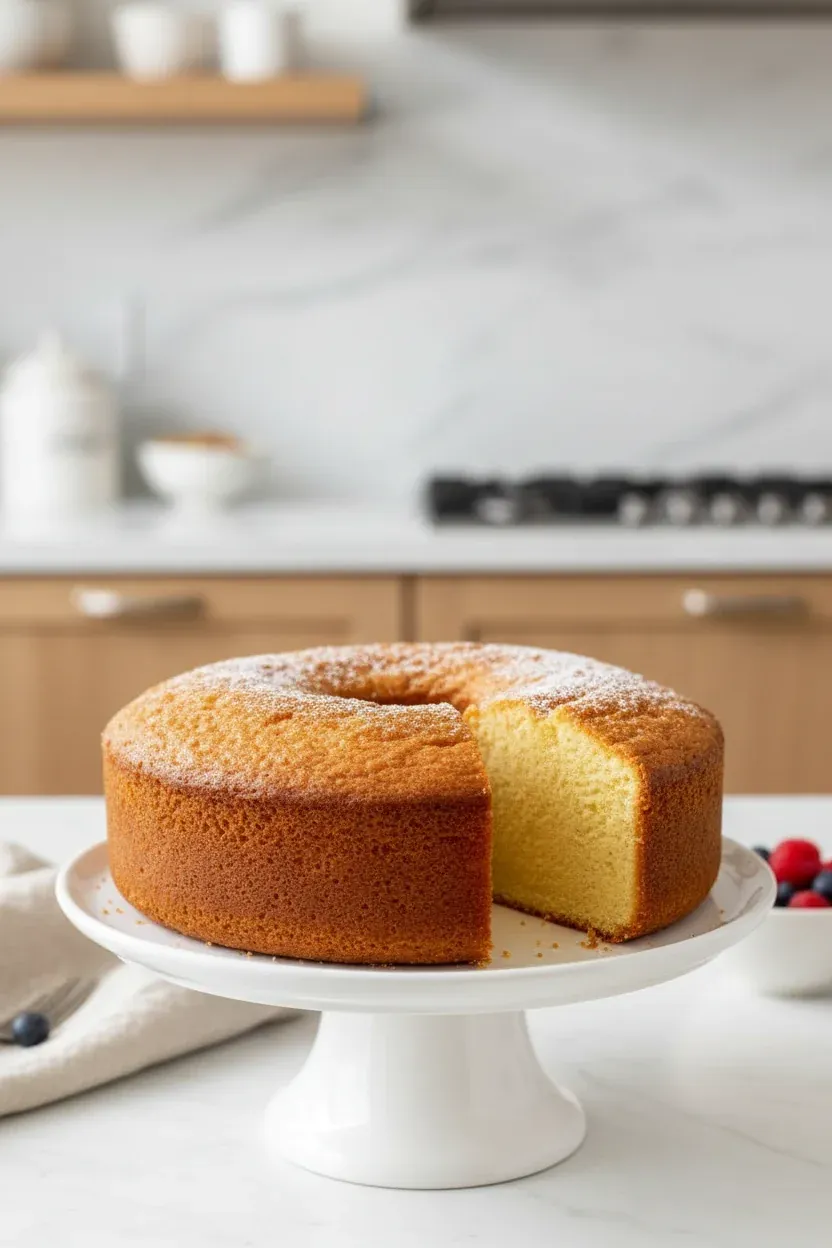
An incredibly moist and buttery take on the traditional pound cake, featuring a rich crumb and a golden crust.
- Prep time
- 20 min
- Cook time
- 1 h 5 min
- Total time
- 1 h 25 min
- Difficulty
- Medium
- Cuisine
- American
Ingredients
Main Batter
Pan Preparation
Instructions
- 1
Preheat your oven to 325°F. Grease your tube pan with melted butter and dust it with a bit of flour, tapping out the excess. This is the only way to be sure it slides out smoothly.
- 2
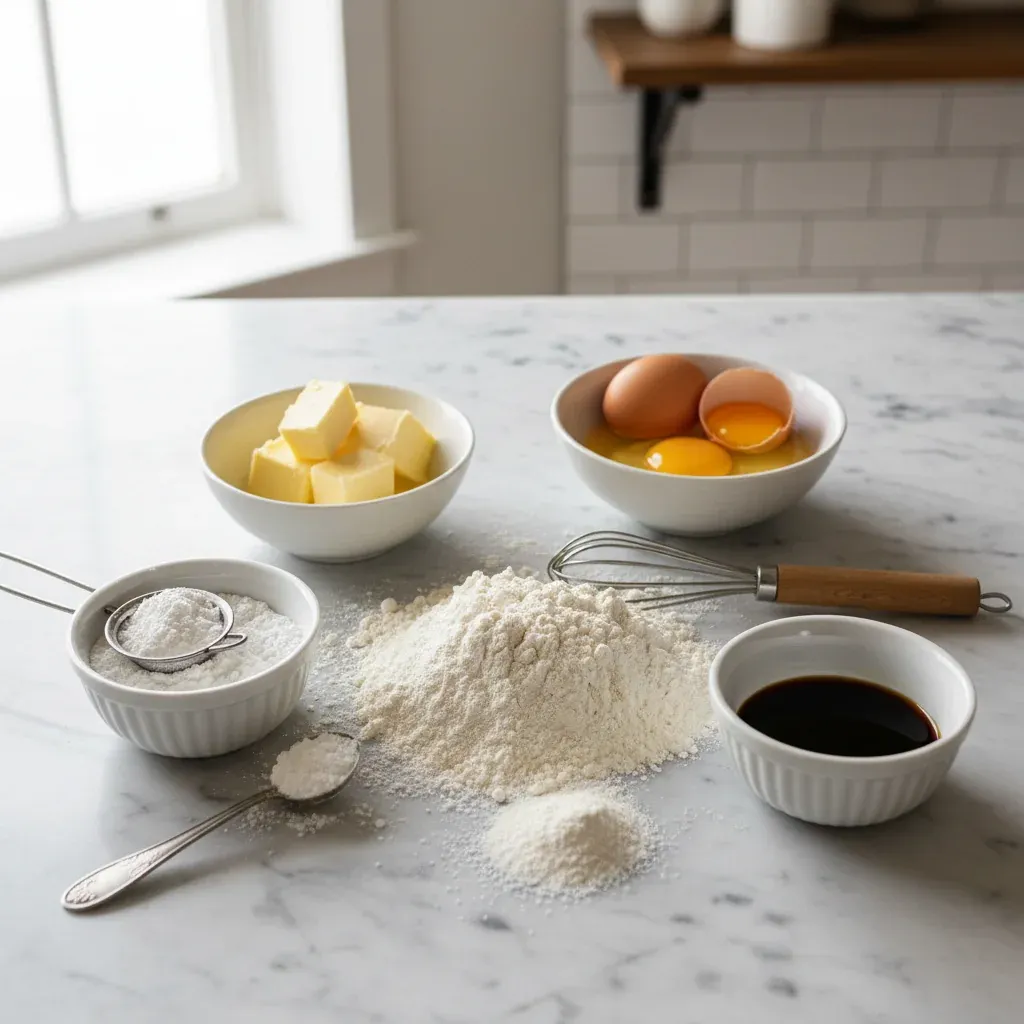
In a medium bowl, whisk together the cake flour, salt, and baking soda. Set this aside; we want the dry ingredients ready to go so we don't overmix later.
- 3
In a large bowl or stand mixer, cream the softened butter and granulated sugar together on medium-high speed. Do this for about 3 to 5 minutes until the mixture is pale and fluffy. I mean, really get in there and let it air out.
- 4
Add the eggs one at a time, beating well after each addition. If you add them all at once, the batter might separate, and ugh, that's such a pain to fix. Stir in the vanilla extract.
- 5
Turn the mixer to low and gradually add the flour mixture. Mix only until just combined. Stop the moment you don't see any more white flour—overmixing is the enemy of a tender cake.
- 6
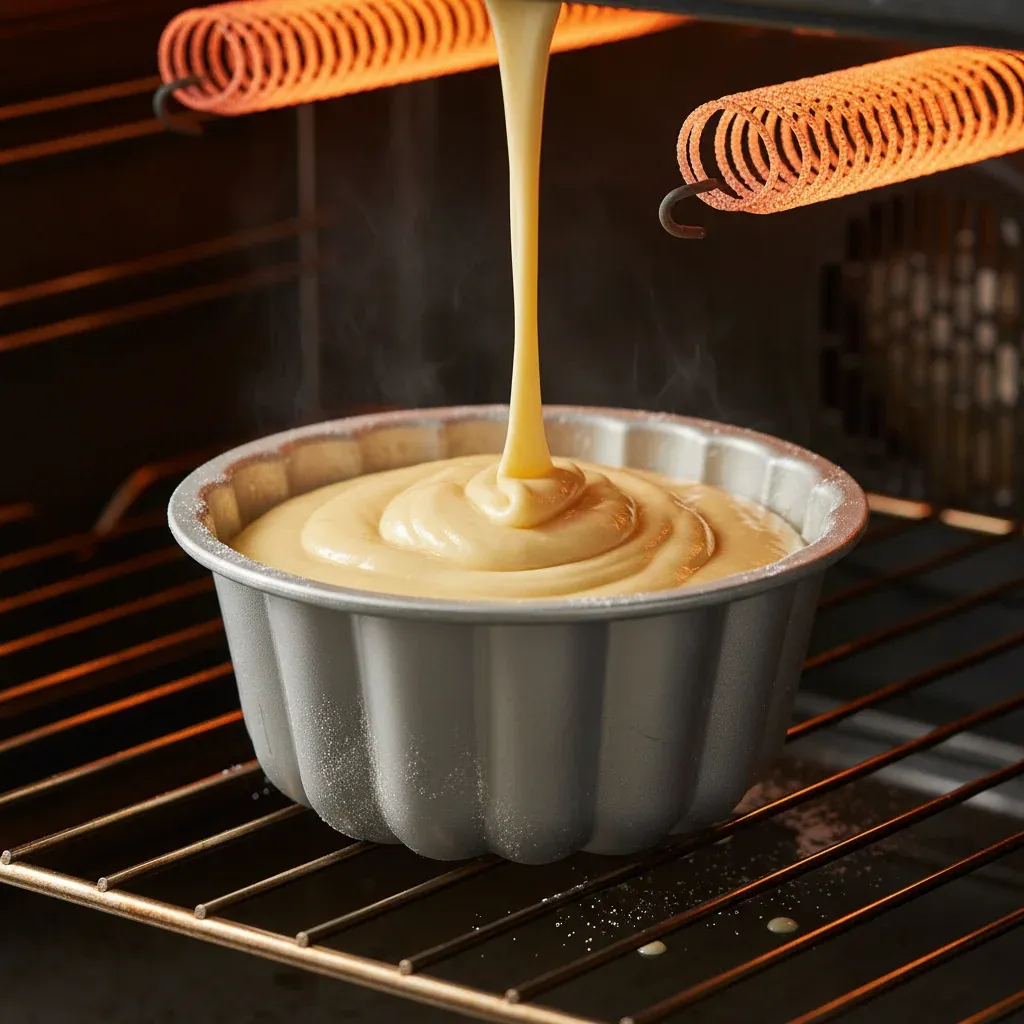
Pour the batter into the prepared pan and smooth the top with a spatula. Bake for 60 to 70 minutes, or until a toothpick inserted into the center comes out clean.
- 7
Let the cake cool in the pan for about 10 minutes before carefully inverting it onto a wire rack to cool completely.
Nutrition per serving
- 420 kcal
- Calories
- 6 g
- Protein
- 52 g
- Carbs
- 18 g
- Fat
Tips & notes
- If the top of the cake is browning too quickly, loosely cover it with a piece of foil for the last 15 minutes. - For an extra moist version, you can look into a sour cream pound cake recipe which adds a slight tang. - Always use a timer, but start checking the cake 5 minutes early because every oven has its own personality.
Frequently asked questions
Can I use all-purpose flour instead of cake flour?
You can, but the cake will be denser and slightly less tender. For a better result, remove two tablespoons of all-purpose flour and replace them with cornstarch, then sift them together three times.
Why did my cake sink in the middle?
This usually happens if the oven door was opened too early or if the baking powder was expired. Keep the door closed until the cake is nearly finished.
How do I keep the cake moist for longer?
Once cooled, wrap the cake tightly in plastic wrap or store it in an airtight container. This prevents the butter from drying out.
Can I make this gluten-free?
Yes, you can use a high-quality 1:1 gluten-free baking blend, though the texture may be slightly more crumbly than the original.
What is the best pan to use?
A traditional tube pan or a Bundt pan works best. They allow the heat to reach the center of the dense batter more efficiently.
Can I add flavorings like lemon or almond?
Absolutely. A teaspoon of almond extract or a tablespoon of lemon zest added to the sugar makes for a lovely variation.

Amelia Hart
Chef Amelia Hart is a dessert enthusiast who loves creating elegant cakes, cookies, and baked treats. Her baking style combines classic pastry techniques with creative flavor combinations. Amelia believes that desserts…