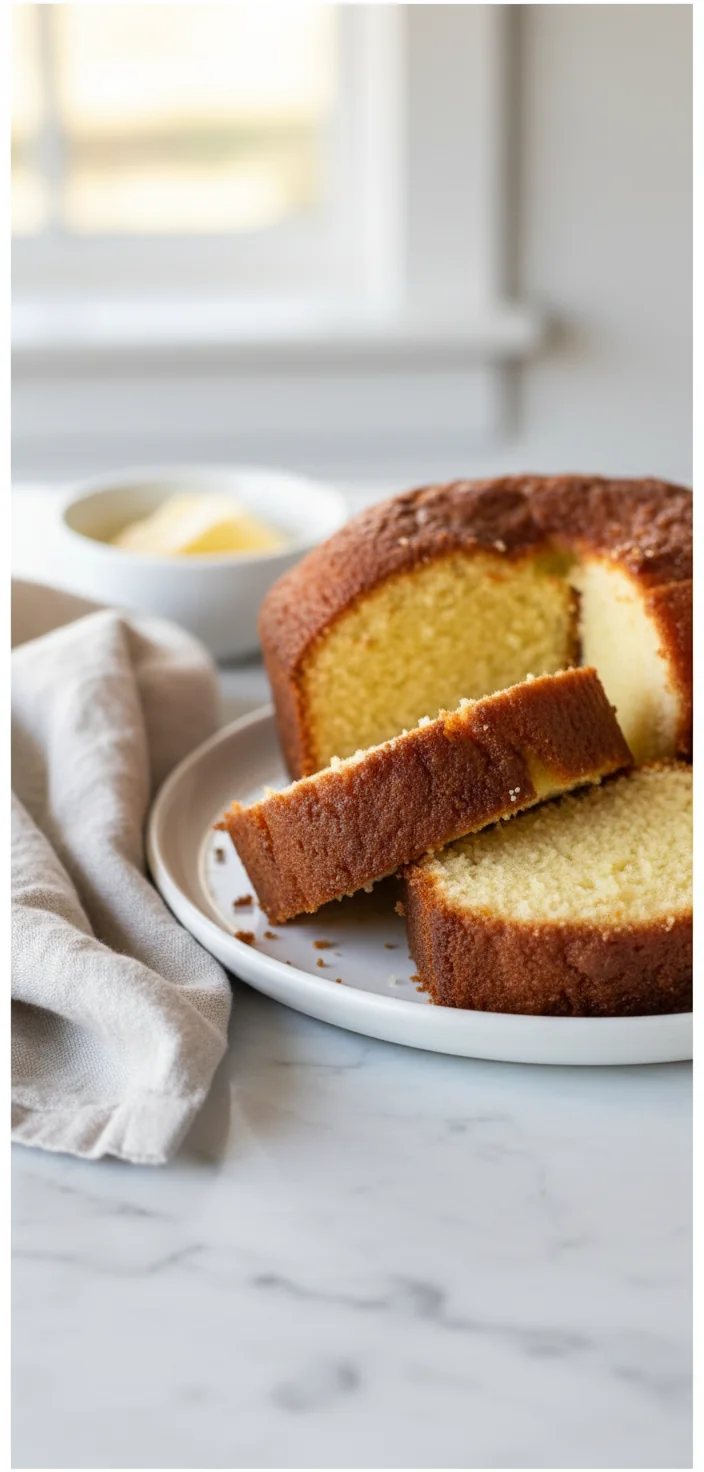
The pound cake traces its origins back to the 1700s, emerging from a time when recipes were based on simple ratios rather than precise measurements. Originally, it called for exactly one pound each of flour, butter, eggs, and sugar. This straightforward approach created a dense, durable cake that could travel well and stay fresh longer than sponge cakes. Over centuries, it became a staple of home baking across Europe and North America, evolving from a luxury item for the wealthy into a comforting centerpiece for family gatherings.
Why You'll Love It
-
- Only four basic pantry staples are needed, so there is no need for a trip to the store.
-
- The texture is perfectly balanced between a dense richness and a tender, melt-in-your-mouth crumb.
-
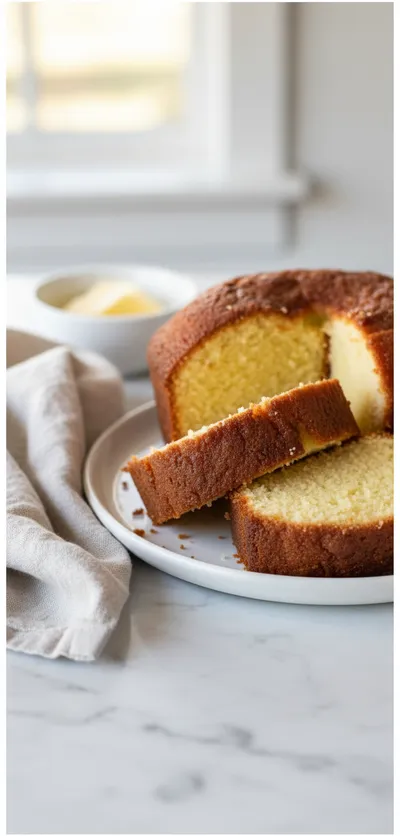
- It has a natural, golden-brown crust that provides a lovely contrast to the soft interior.
-
- It is incredibly versatile and pairs beautifully with a cup of tea or a dollop of fresh cream.
"It tastes exactly like the cakes my grandmother used to make. So buttery and just the right amount of sweetness. Pure nostalgia."
Essential Ingredient Guide
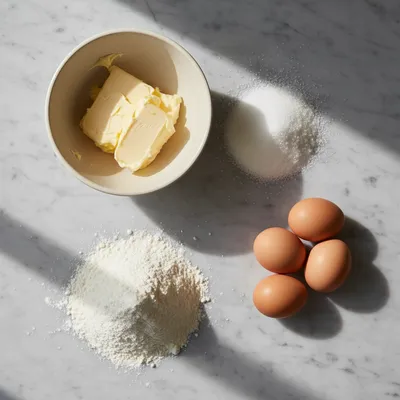
- Unsalted Butter: Use the highest quality butter you can find; it's the heart of the flavor. Make sure it's truly softened to room temperature so it creams smoothly without lumps.
- Granulated Sugar: Standard white sugar works best here for that classic crystalline structure and golden caramelization on the edges.
- Fresh Eggs: Cold eggs can break your butter emulsion. Let them sit out for a while or warm them in a bowl of tepid water to keep the batter fluffy.
- All-Purpose Flour: Sift the flour to avoid any clumps and to ensure the cake doesn't become too heavy or leaden in the center.
- Vanilla Extract: While not in the original 'four,' a splash of vanilla adds a layer of warmth that makes the cake feel complete.
- Salt: A tiny pinch of salt balances the sweetness and brings out the richness of the butter.
 Desserts & Baking
Blueberry Crumble Bars – Easy Homemade Dessert
Buttery blueberry crumble bars that are easy to bake and delightful to share.
Complete Cooking Process
-
Ingredient Readiness:
The most important part is the temperature. Your butter needs to be soft—not melted, just soft—and your eggs should be room temperature. If you rush this, the batter might separate, and ugh, that's just a heartache you don't need.
-
Flavor Development:
The magic happens during the creaming stage. Beating the butter and sugar together for several minutes isn't just about mixing; it's about incorporating air, which gives the cake its lift and that signature buttery fragrance.
-
Texture Control:
When adding the flour, fold it in gently. If you overmix, you'll develop too much gluten, and your cake will feel more like a loaf of bread than a delicate dessert. Just a few turns of the spoon is all it takes.
-
Finishing Touches:
Once it comes out of the oven, let it rest in the pan for about ten minutes. This allows the structure to set so it doesn't crumble when you flip it onto a cooling rack.
-
Serving Timing:
While it's lovely warm, this cake is actually better the next day. The flavors settle and the moisture distributes evenly, making each slice feel even more decadent.
-
Avoid over-beating after the flour is added to keep the cake tender.
-
Use a parchment-lined pan for a stress-free release every time.
-
Tap the pan on the counter to release any hidden air bubbles.
-
Test the center with a wooden skewer; it should come out clean or with a few moist crumbs.
Pro Tips
I remember once, I was in such a rush that I used melted butter instead of softened butter. Wow, what a mistake. The cake turned out flat and greasy, almost like a giant cookie. It taught me that patience is actually an ingredient in baking.
So, yeah, just take your time. Let the butter sit. Let the eggs warm up. There's no race here, just the quiet joy of creating something from scratch in your own kitchen.
The essence of the dish:
What makes this classic pound cake so special is its honesty. It doesn't rely on fancy glazes or complex fillings. It's just the pure, nostalgic taste of home, reminding us that simple things are often the most satisfying.
A fun fact or historical angle:
In the old days, pound cakes were often the only 'fancy' cake available because they didn't require the precision of chemical leaveners like baking powder, which only became common much later.
Flavor or sensory focus:
The first thing you'll notice is the aroma—a rich, toasted butter scent that fills the room. Then comes the texture: a dense, velvety crumb that feels substantial yet dissolves slowly on the tongue.
You Must Know
-
Do not open the oven door too early, or the cake might sink in the middle.
-
Ensure your butter is 'room temperature' (about 65-68°F) for a proper emulsion.
-
A 9x5 inch loaf pan is the standard, but a round pan works too if you adjust the time.
Frequently Asked Questions
→ Can I use margarine instead of butter?
You can, but I wouldn't recommend it. The flavor and texture of a true 4 ingredient pound cake come from the fat in real butter. Margarine lacks that depth and richness.
→ Why did my cake sink in the middle?
This usually happens if the oven door is opened too frequently or if the batter wasn't creamed enough to hold the air. Try to keep the door closed until the very end.
→ Can I add lemon to this?
Absolutely. Adding zest and a bit of juice makes it a wonderful moist lemon pound cake. Just be careful not to add too much liquid, or the batter will break.
→ How do I store the cake?
Keep it in an airtight container at room temperature for up to 3 days, or in the fridge for a week. It actually stays quite moist due to the butter content.
→ Can I freeze pound cake?
Yes, it freezes beautifully. Wrap individual slices in plastic wrap and then foil. Thaw at room temperature or warm slightly in the microwave.
→ What if I don't have a loaf pan?
A round cake pan or a springform pan works just fine. Just keep a close eye on the bake time, as a shallower cake will cook faster.
Nutrition Facts
per serving
420
Calories
7g
Protein
45g
Carbs
22g
Fat
Taste Profile
Rich, buttery, and warmly sweet with a hint of vanilla.
Ingredient Substitutions
Don't have an ingredient? Try these alternatives
Ghee works well and adds a slightly nuttier, toasted flavor to the cake.
Using cake flour will result in a lighter, softer crumb, more like a sponge.
Recipe Variations
Try these delicious twists on the original
Citrus Twist
Fold in the zest of one lemon and one orange for a bright, aromatic flavor profile.
Maple Pecan
Replace the vanilla with maple extract and add finely chopped toasted pecans to the batter.
Common Mistakes to Avoid
Learn from others' mistakes for perfect results
- Using cold eggs, which causes the batter to separate and lose air.
- Overmixing the flour, which creates a tough, bready texture instead of a cakey one.
- Opening the oven door too often, causing the center of the cake to collapse.
Meal Prep & Storage
Make Ahead Tips
The batter can be made and kept in the fridge for a few hours, but it must be brought back to room temperature before baking to ensure the air bubbles don't collapse.
Leftover Ideas
Slices can be toasted lightly in a pan with a tiny bit of butter for a warm, decadent breakfast treat.
Perfect Pairings
Serve this with...
Cooking Timeline
Preheat oven and prepare the loaf pan with grease and flour.
Cream butter and sugar until pale and fluffy, then add eggs one by one.
Gently fold in the sifted flour, salt, and vanilla extract.
Bake the cake, checking it at the 55-minute mark.
Cool in pan for 10 minutes, then transfer to a wire rack.
Classic Pound Cake Recipe with 4 Ingredients
A timeless, buttery, and incredibly moist dessert that relies on just four simple ingredients to create a gold-standard treat.
Timing
Prep Time
20 Minutes
Cook Time
60 Minutes
Total Time
80 Minutes
Recipe Details
Ingredients
The Four Core Ingredients
-
01
1 cup (2 sticks) unsalted butter, softened
-
02
1 cup granulated sugar
-
03
4 large eggs, room temperature
-
04
2 cups all-purpose flour, sifted
The Flavor Enhancers
-
01
1 tsp vanilla extract
-
02
1/4 tsp salt
Instructions
Preheat your oven to 325°F (165°C). Grease your 9x5 inch loaf pan well with butter and dust it with a bit of flour, or line it with parchment paper. This is the part where I always tell people: don't skip the lining, or you'll be scrubbing the pan for an hour.
In a large bowl, beat the softened butter and sugar together. Use a mixer if you have one, but a wooden spoon works too if you have a strong arm. You want it to look pale, fluffy, and almost like frosting. This usually takes about 3 to 5 minutes.
Add the eggs one at a time. I mean, really one at a time. Beat each egg in fully before adding the next. If you just dump them all in, the batter might curdle, and then you've got a bit of a mess on your hands. Stir in the vanilla extract now too.
Gently stir in the salt and the sifted flour. Use a spatula to fold it in. Be careful here—stop the moment you don't see any more white streaks of flour. If you keep mixing, the cake will be tough, and we want it to be a vanilla pound cake that melts in the mouth.
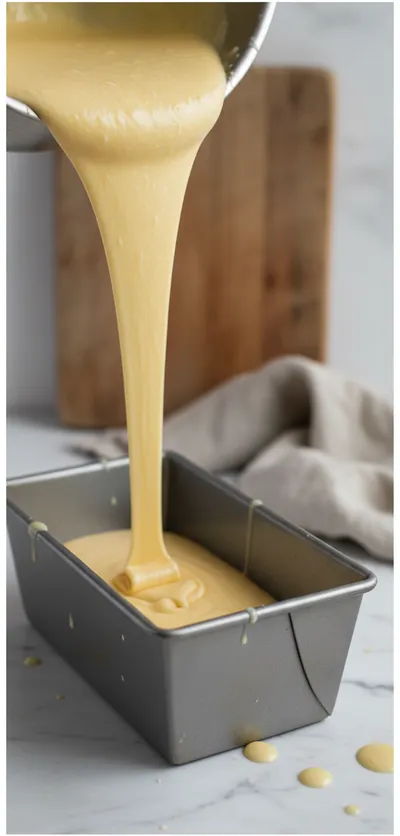
Pour the thick batter into your prepared pan and smooth the top with a spatula. Now, slide it into the center of the oven and bake for 55 to 65 minutes.
Check for doneness by inserting a toothpick into the center. If it comes out clean or with just a few crumbs, it's ready. Let it cool in the pan for 10 minutes before turning it out onto a rack to cool completely.
Notes & Tips
-
1
If your cake is browning too quickly, cover the top with a piece of aluminum foil for the last 15 minutes.
-
2
For a more traditional taste, you can try an old fashioned pound cake recipe style by using a slightly heavier hand with the butter.
-
3
Always use room temperature eggs; it prevents the batter from breaking and ensures a smoother crumb.
Tools You'll Need
-
9x5 inch loaf pan
-
Electric hand mixer or stand mixer
-
Large mixing bowl
-
Rubber spatula
-
Sifter or fine-mesh strainer
-
Measuring cups and spoons
-
Toothpick or cake tester
Must-Know Tips
-
Do not overmix the flour, or the cake will become dense and rubbery.
-
Cream the butter and sugar for a full 5 minutes to ensure the best lift.
-
Sift your flour twice if you want an extra-fine, professional crumb.
-
Let the cake cool completely before slicing to prevent it from crumbling.
Professional Secrets
-
Tapping the pan on the counter before baking removes large air pockets for a uniform texture.
-
Using a touch of salt enhances the buttery notes of the cake significantly.
-
A low and slow bake temperature prevents the outside from burning before the center is set.
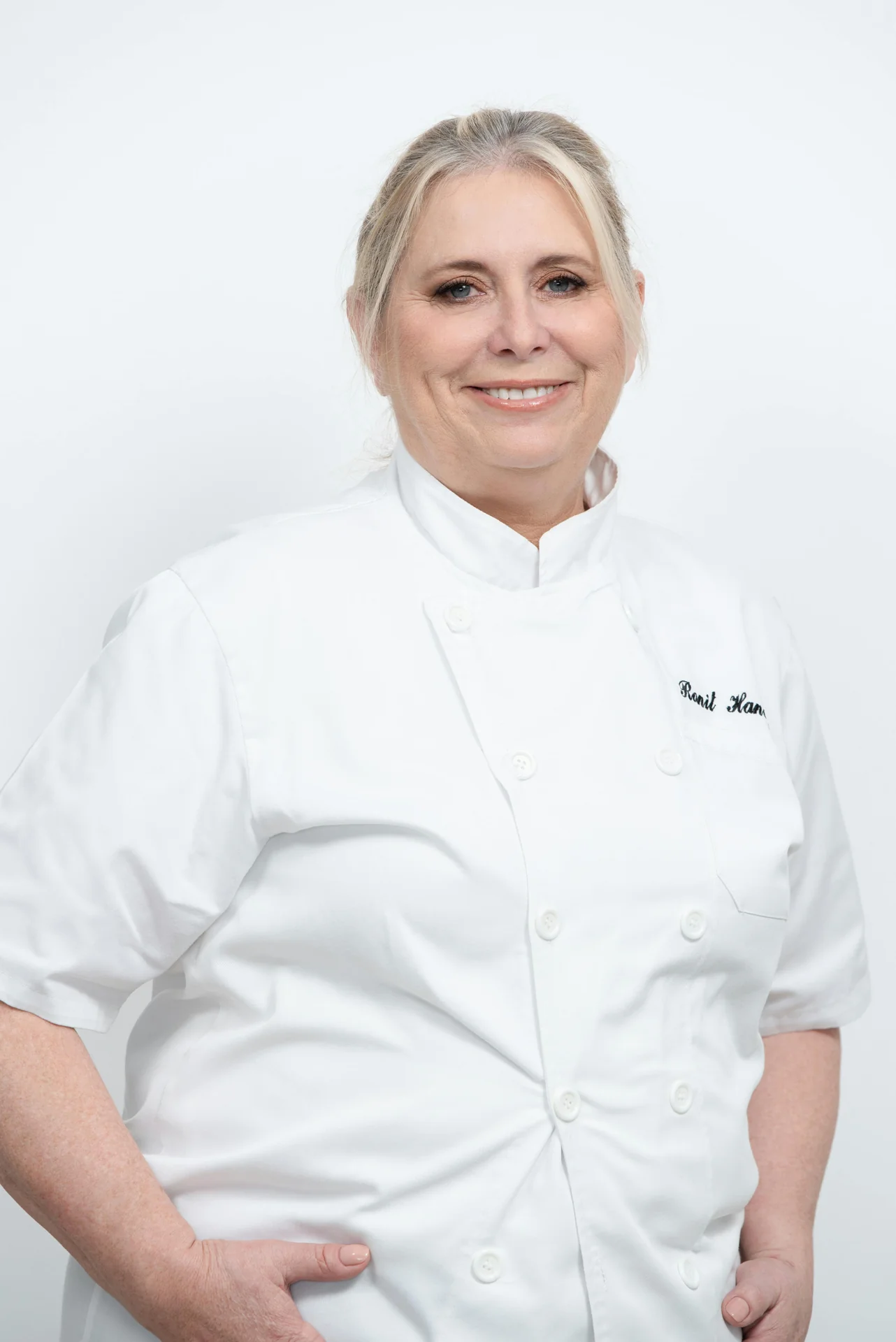
Recipe by
Amelia HartChef Amelia Hart is a dessert enthusiast who loves creating elegant cakes, cookies, and baked treats. Her baking style combines classic pastry techniq ...
Get Delicious Recipes Weekly
Join 25,000+ home cooks getting our best recipes straight to their inbox.
Free forever • No spam • Unsubscribe anytime