Why You'll Love It
- - The sour cream ensures a moist texture that stays fresh for days
- - A balanced sweetness that pairs perfectly with a strong cup of coffee
- - Simple pantry ingredients that create a sophisticated result
- - A sturdy structure that holds up beautifully with a thick glaze or fresh berries
"It is exactly how I remember it from my childhood—rich, velvety, and just the right amount of sweet. Truly comforting."
Essential Ingredient Guide
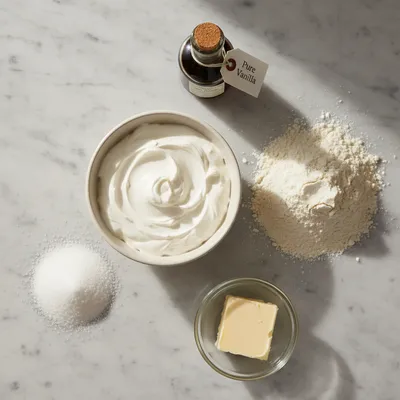
- Unsalted Butter: Use high-quality butter at true room temperature. It should be soft enough to indent with a finger, otherwise, you'll get lumps in your batter.
- Full-Fat Sour Cream: This is the secret to the moisture. Don't use low-fat versions; the fat content is what creates that tender, velvety crumb.
- Cake Flour: If you have it, use cake flour for a finer grain. If not, all-purpose works, but the cake will be slightly heartier.
- Pure Vanilla Extract: Don't be shy with the vanilla. It provides the warm, aromatic base that defines a vanilla pound cake.
- Fresh Lemon Zest: A tiny bit of zest doesn't make it a lemon cake, but it cuts through the richness of the butter.
- Granulated Sugar: Standard white sugar provides the best structure and a clean sweetness.
Complete Cooking Process
-
Ingredient Readiness:
Everything must be at room temperature. I mean, really. Cold eggs or cold sour cream will cause the batter to break or curdle, and you'll lose that smooth, creamy consistency. Set your ingredients out an hour before you start.
-
Flavor Development:
The magic happens during the creaming stage. Beating the butter and sugar together until pale and fluffy incorporates air, which lightens the dense nature of the pound cake. This is where the buttery essence truly blooms.
-
Texture Control:
Once the flour goes in, be gentle. Well, look, it's tempting to just blast it with the mixer, but overmixing develops too much gluten, making the cake tough instead of tender. Fold the last few spoonfuls by hand.
-
Finishing Touches:
After baking, let the cake cool in the pan for about ten minutes before turning it out. This prevents it from cracking under its own weight. A dusting of powdered sugar or a simple glaze adds that final touch of elegance.
-
Serving Timing:
While it's lovely warm, this cake actually tastes better the next day. The flavors settle and the moisture from the sour cream distributes evenly through the crumb.
- Grease your pan thoroughly and dust it with flour to avoid any sticking
- Sift your dry ingredients to ensure there are no clumps of baking soda
- Use a toothpick to check the center; it should come out with a few moist crumbs
- Avoid opening the oven door too frequently, as the drop in temp can cause the cake to sink
Pro Tips
I remember once I rushed the creaming process and the cake came out a bit too dense, almost like a brick. Oops. It still tasted great, but it taught me that patience is really the most important ingredient here. Just let the butter and sugar get truly fluffy. Yeah, it takes a bit longer, but the difference in the final texture is just... wow. It turns a good cake into a memory. So, take your time, put on some music, and just enjoy the process of baking.
The essence of the dish:
A fun fact or historical angle:
Flavor or sensory focus:
You Must Know
- Don't overmix the batter after adding flour
- Use a room-temperature egg for a stable emulsion
- Ensure your oven is fully preheated before sliding the pan in
Frequently Asked Questions
→ Can I use Greek yogurt instead of sour cream?
Yes, you can. Use a full-fat plain Greek yogurt. The tang is similar, though the texture might be slightly thicker.
→ Why did my cake sink in the middle?
This usually happens if the oven door is opened too early or if the baking soda was old. Make sure your oven is preheated and your leavening agents are fresh.
→ How do I store this cake so it stays moist?
Once cooled, wrap the cake tightly in plastic wrap or store it in an airtight container. It stays moist for about 4-5 days at room temperature.
→ Can I freeze pound cake?
Absolutely. Wrap individual slices in parchment and then foil. Thaw at room temperature for a treat that tastes just baked.
→ What is the difference between this and a classic pound cake?
A classic pound cake recipe doesn't have the acidity of sour cream, resulting in a denser, sweeter, and slightly less moist crumb.
→ Can I make this gluten-free?
Yes, you can replace the all-purpose flour with a 1:1 gluten-free baking blend, though the texture may be slightly more fragile.
Chef's Tips
If you don't have a tube pan, a standard loaf pan works, but you'll need to adjust the baking time—check it at 45 minutes.,For a deeper flavor, try using browned butter, though you'll need to let it solidify slightly before creaming it with sugar.,If the batter seems too thick, a tablespoon of milk can help it flow better into the pan.
Nutrition Facts
per serving
410
Calories
6g
Protein
52g
Carbs
18g
Fat
Taste Profile
Rich, buttery, and sweet with a subtle, tangy depth from the sour cream.
Ingredient Substitutions
Don't have an ingredient? Try these alternatives
Almost identical results; ensures a similar tang and moisture.
Will result in a finer, softer crumb.
Recipe Variations
Try these delicious twists on the original
Lemon Sour Cream Cake
Increase lemon zest to 2 tablespoons and add 1 tablespoon of lemon juice to the batter.
Almond Twist
Replace vanilla extract with almond extract for a nutty, sweet aroma.
Common Mistakes to Avoid
Learn from others' mistakes for perfect results
- Using cold butter, which prevents the air from being whipped in
- Overmixing the batter, which makes the cake tough
- Opening the oven too early, causing the cake to drop in the center
Meal Prep & Storage
Make Ahead Tips
The cake can be baked a day in advance and stored at room temperature. In fact, the flavor deepens overnight.
Leftover Ideas
Store slices individually in wax paper to keep them moist. Reheat for 10 seconds in the microwave for that 'just baked' feel.
Perfect Pairings
Serve this with...
Cooking Timeline
Preheat oven, grease pan, and gather all room-temperature ingredients.
Cream butter and sugar until pale and fluffy.
Beat in eggs one by one, then add sour cream and vanilla.
Gently fold in the dry flour mixture until just combined.
Bake in the oven and allow to cool before removing from the pan.
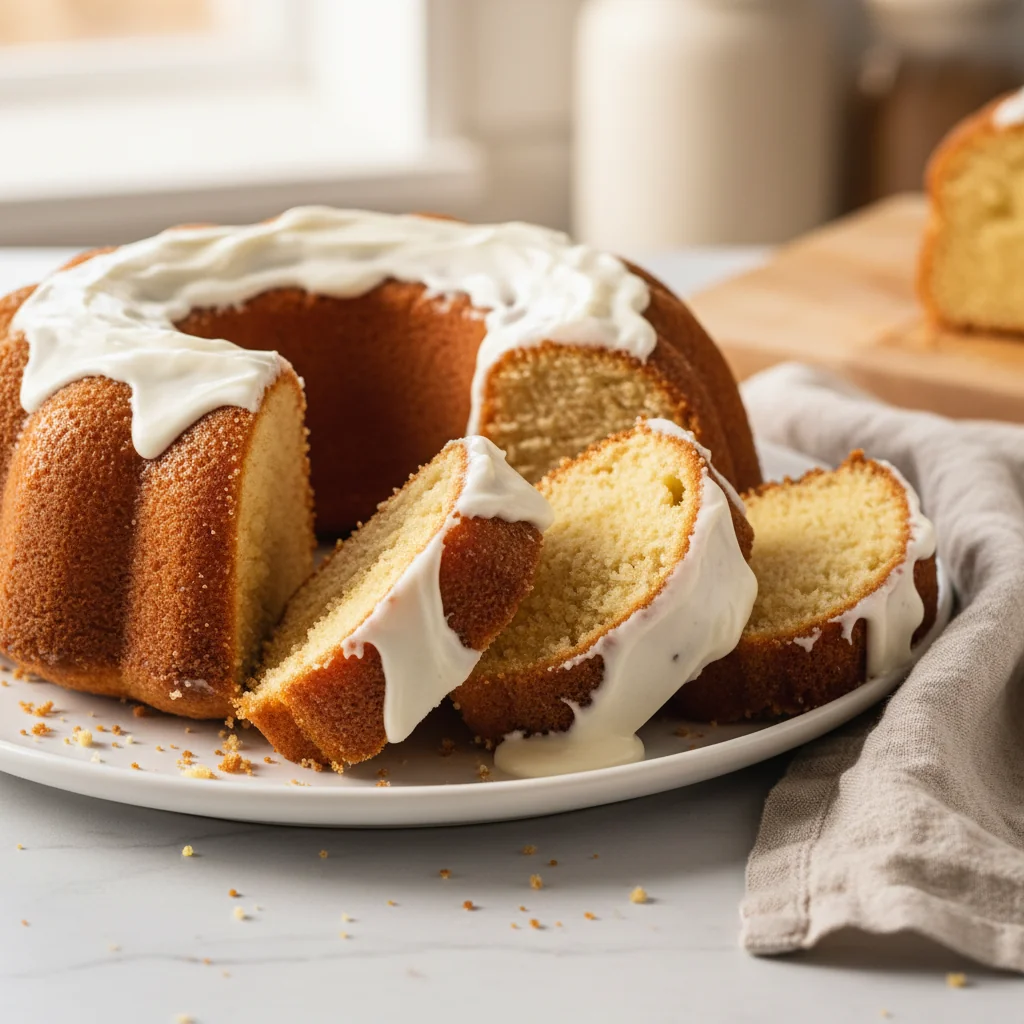
Sour Cream Pound Cake Recipe for a Moist Dessert
A tender, buttery cake with a velvety crumb, perfected with sour cream for a rich, moist finish that lingers on the tongue.
Timing
Prep Time
20 Minutes
Cook Time
65 Minutes
Total Time
85 Minutes
Recipe Details
Ingredients
The Batter
- 01 1 cup (2 sticks) unsalted butter, softened
- 02 3 cups granulated sugar
- 03 4 large eggs, room temperature
- 04 1 cup full-fat sour cream
- 05 3 cups all-purpose flour
- 06 1/2 tsp baking soda
- 07 1/2 tsp salt
- 08 2 tsp pure vanilla extract
- 09 1 tsp lemon zest (optional)
Optional Glaze
- 01 1 cup powdered sugar
- 02 2 tbsp milk or heavy cream
- 03 1/2 tsp vanilla extract
Instructions
Preheat your oven to 325°F (165°C). Grease a 10-inch tube pan or Bundt pan very well with butter and a light dusting of flour. I like to use a paper towel to get into every nook and cranny.
In a large bowl or stand mixer, cream the softened butter and sugar together on medium-high speed. Do this for about 5 minutes until the mixture looks pale, fluffy, and almost like whipped cream.
Add the eggs one at a time, beating well after each addition. I mean, really let each egg incorporate before adding the next one so the batter stays smooth.
Stir in the sour cream, vanilla extract, and lemon zest. Mix on low speed just until combined. It might look a little curdled at first, but just keep going; it'll smooth out.
In a separate bowl, whisk together the flour, baking soda, and salt. Slowly add the dry ingredients to the wet batter. Stir on the lowest setting or use a spatula until just combined. Don't overwork it!
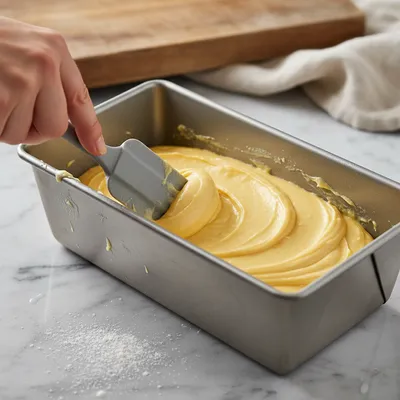
Pour the batter into the prepared pan and smooth the top with a spatula. Bake for 60 to 70 minutes, or until a toothpick inserted in the center comes out clean.
Let the cake cool in the pan for 10-15 minutes before carefully inverting it onto a wire rack to cool completely.
Notes & Tips
- 1 If you don't have a tube pan, a standard loaf pan works, but you'll need to adjust the baking time—check it at 45 minutes.
- 2 For a deeper flavor, try using browned butter, though you'll need to let it solidify slightly before creaming it with sugar.
- 3 If the batter seems too thick, a tablespoon of milk can help it flow better into the pan.
Tools You'll Need
-
Electric hand mixer or stand mixer
-
10-inch Bundt or tube pan
-
Large mixing bowls
-
Sifter or whisk
-
Rubber spatula
-
Toothpick or cake tester
Must-Know Tips
- Room temperature is non-negotiable; cold ingredients lead to a dense, flat cake.
- Don't overmix once the flour is added, or the cake will become tough and rubbery.
- Measure flour by spooning it into the cup and leveling it off, rather than scooping directly from the bag.
Professional Secrets
- Creaming for a full 5 minutes creates a better lift and a more professional crumb
- A pinch of salt balances the richness of the butter and brings out the vanilla
- Cooling the cake completely before glazing prevents the icing from melting into the cake

Recipe by
Amelia HartChef Amelia Hart is a dessert enthusiast who loves creating elegant cakes, cookies, and baked treats. Her baking style combines classic pastry techniq ...
Get Delicious Recipes Weekly
Join 25,000+ home cooks getting our best recipes straight to their inbox.
Free forever • No spam • Unsubscribe anytime