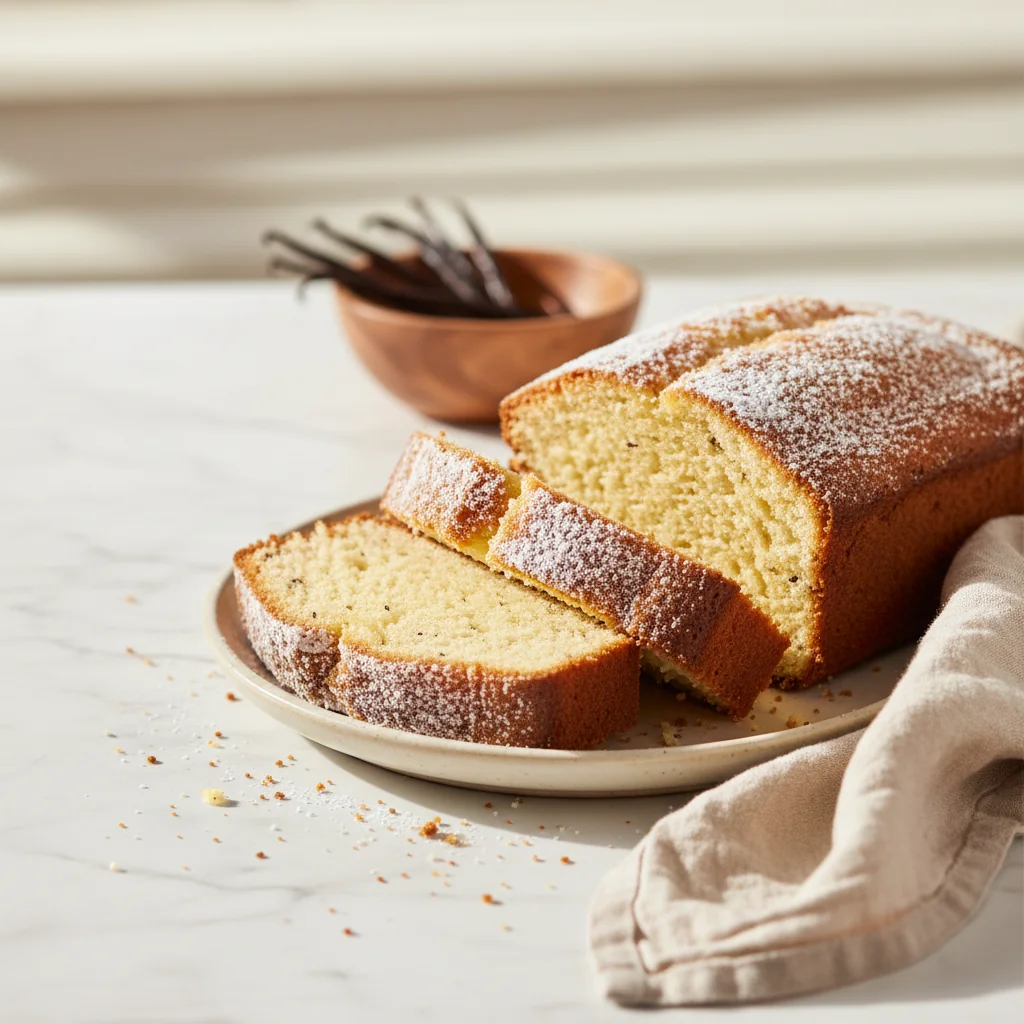
The pound cake traces its origins back to the 1700s, initially characterized by a strict ratio of one pound each of flour, butter, eggs, and sugar. This simplicity made it a staple in colonial kitchens, where ingredients were few and precision was a luxury. Over time, the recipe evolved to incorporate leavening agents and vanilla, transforming the dense bread-like cake into the tender, aromatic dessert loved today. It remains a symbol of home baking across many cultures, representing stability and comfort through its golden crust and buttery interior.
Why You'll Love It
-
- The texture is perfectly balanced between dense and tender.
-
- Uses simple pantry staples that you likely already have on hand.
-
- The buttery aroma fills the entire house while it bakes.
-
- It pairs beautifully with fresh berries or a simple dollop of cream.
This is exactly how my grandmother's cake tasted! So incredibly moist and the vanilla flavor is just perfect.
Essential Ingredient Guide
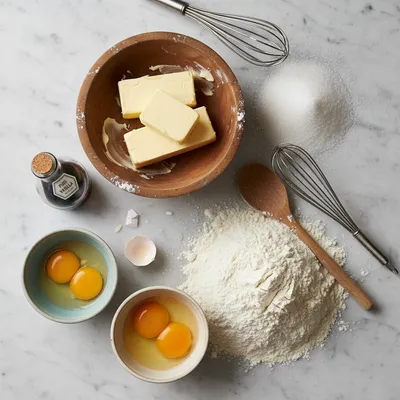
- Unsalted Butter: High-quality butter is the heart of this cake. Make sure it is truly softened to room temperature so it creams smoothly with the sugar without leaving lumps.
- Granulated Sugar: The sugar doesn't just sweeten; it helps create that airy structure when beaten with the butter. Use a standard fine-grain sugar for the best consistency.
- Large Eggs: Eggs provide the lift and richness. Like the butter, these should be at room temperature to prevent the batter from curdling or splitting.
- Pure Vanilla Extract: Avoid the imitation stuff if you can. Pure extract provides that deep, floral warmth that defines a classic pound cake.
- All-Purpose Flour: Sift your flour to avoid clumps. This ensures the crumb stays tight and uniform rather than having pockets of raw flour.
- Salt: Just a pinch. It cuts through the richness of the butter and enhances the vanilla notes.
Complete Cooking Process
-
Ingredient Readiness:
Everything needs to be at the same temperature. I mean, really. If your eggs are cold, the butter will seize up, and you'll spend forever trying to fix it. Set your butter and eggs on the counter an hour before you start. It's a slow process, but it's the only way to get that velvet texture.
-
Flavor Development:
The magic happens during the creaming stage. As the butter and sugar bind, they trap air, and the vanilla starts to bloom. This is where that signature richness is born. Don't rush this part; let the mixer do the work until the mixture looks pale and fluffy.
-
Texture Control:
When you add the flour, switch to a lower speed. You want to fold the flour in just until it disappears. If you overmix here, the cake becomes tough, and we want it to be tender, like a grandmother's pound cake should be.
-
Finishing Touches:
Once it comes out of the oven, let it rest in the pan for a few minutes. I remember once being too eager and flipping it immediately—oops, the cake just broke. A little patience ensures the structure sets, making the slices clean and beautiful.
-
Serving Timing:
While it's lovely warm, this cake actually tastes better the next day. The butter settles, and the moisture redistributes. Serve it at room temperature for the most authentic buttery experience.
-
Grease and flour your pan thoroughly; a little extra butter on the sides saves a lot of stress.
-
Avoid opening the oven door too often, or the center might sink.
-
Use a wooden skewer to test for doneness—it should come out clean or with a few moist crumbs.
-
Sift your flour twice if you want an extra-refined, professional crumb.
Pro Tips
If you find your batter looks a bit curdled after adding eggs, just add a tablespoon of the flour. It helps bind everything back together. It happens to the best of us, and honestly, it's a quick fix that doesn't ruin the cake.
Also, consider wrapping the cake in parchment paper while it's still slightly warm if you plan to store it for a few days. This keeps the edges from drying out and preserves that wonderful moisture we're aiming for.
The essence of the dish:
What makes this vanilla pound cake special is its commitment to simplicity. In a world of over-the-top desserts, this cake relies on the purity of butter and the warmth of vanilla. It's a timeless flavor profile that feels honest and comforting, reminding us that sometimes the basics are the best.
A fun fact or historical angle:
Did you know that the original pound cakes didn't use baking powder? They relied entirely on the air beaten into the butter and eggs for their lift. This is why the creaming process is still so vital today for a old-fashioned pound cake recipe.
Flavor or sensory focus:
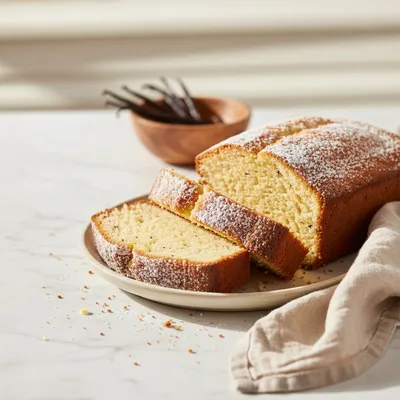
The first thing you'll notice is the scent—a heavy, sweet cloud of vanilla that fills the room. Then comes the taste: a rich, creamy sweetness that melts on the tongue, followed by the satisfying, slightly salty crunch of the golden-brown outer crust.
You Must Know
-
Room temperature ingredients are non-negotiable for a smooth batter.
-
Don't overbake; a few minutes too long can turn a moist cake dry.
-
Measuring flour by weight is always more accurate than using cups.
Frequently Asked Questions
→ Why did my pound cake sink in the middle?
This usually happens if the oven door was opened too early or if the baking powder (if used) was expired. Ensure your oven is fully preheated and avoid peeking until the cake is almost done.
→ Can I use margarine instead of butter?
You can, but the flavor will change. Butter provides the signature rich taste and a better crumb structure. Margarine can make the cake feel a bit greasier.
→ How do I keep the cake moist for longer?
Store the cake in an airtight container or wrap it tightly in plastic wrap. You can even try a sour cream pound cake recipe next time for an even moister result.
→ Can I add fruit to this recipe?
Yes, you can fold in fresh blueberries or lemon zest. Just be careful not to overmix the batter once the fruit is added.
→ What if I don't have a stand mixer?
A hand mixer works perfectly fine. Just be sure to scrape the sides of the bowl frequently to ensure all the butter is incorporated.
→ Can I freeze this cake?
Absolutely. Wrap individual slices in parchment and then foil. Thaw at room temperature or give it a quick warm-up in the oven.
Nutrition Facts
per serving
420
Calories
6g
Protein
48g
Carbs
22g
Fat
Taste Profile
A rich, comforting sweetness dominated by creamy butter and aromatic vanilla.
Ingredient Substitutions
Don't have an ingredient? Try these alternatives
If using salted butter, reduce the added salt in the recipe by half.
Use cake flour for an even softer, more delicate crumb.
Recipe Variations
Try these delicious twists on the original
Lemon Vanilla Twist
Add 1 tablespoon of lemon zest and 1 teaspoon of lemon juice to the batter for a bright, citrusy lift.
Almond Infused
Replace one tablespoon of vanilla extract with almond extract for a nutty, sophisticated flavor.
Common Mistakes to Avoid
Learn from others' mistakes for perfect results
- Overmixing the flour, which leads to a rubbery, tough cake.
- Using cold eggs, which causes the butter mixture to curdle.
- Opening the oven door too frequently, leading to a collapsed center.
Meal Prep & Storage
Make Ahead Tips
The cake can be baked a day in advance. In fact, letting it sit overnight in a container often improves the moisture and flavor profile.
Leftover Ideas
Store slices individually in wax paper within a container. To serve, warm a slice for 10 seconds in the microwave for a 'fresh-from-the-oven' feel.
Perfect Pairings
Serve this with...
Cooking Timeline
Preheat oven and prepare the loaf pan with grease and flour.
Cream the butter and sugar until light and fluffy; add eggs and vanilla.
Slowly fold in the sifted flour and salt until just combined.
Bake for approximately 60-70 minutes and check for doneness.
Cool in the pan for 10 minutes, then transfer to a wire rack.
Vanilla Pound Cake Recipe: Moist and Buttery
A timeless, buttery vanilla pound cake that is incredibly moist and tender. This simple recipe brings a touch of home to every slice.
Timing
Prep Time
20 Minutes
Cook Time
65 Minutes
Total Time
85 Minutes
Recipe Details
Ingredients
Main Ingredients
-
01
1 cup (2 sticks) unsalted butter, softened
-
02
1 1/2 cups granulated sugar
-
03
4 large eggs, room temperature
-
04
2 1/2 cups all-purpose flour
-
05
1/2 teaspoon salt
-
06
1/4 teaspoon baking powder (optional for a lighter lift)
Flavorings
-
01
2 tablespoons pure vanilla extract
-
02
1 tablespoon whole milk (if batter is too thick)
Instructions
Preheat your oven to 325°F (165°C). Grease a 9x5 inch loaf pan with butter and dust it with a little flour, tapping out the excess. This ensures your cake slides out without a fight.
In a large bowl or stand mixer, beat the softened butter and sugar together on medium-high speed. Do this for about 3 to 5 minutes until the mixture is pale, fluffy, and looks like a cloud. This is where the air gets in!
Add the eggs one at a time. Beat well after each egg to make sure it's fully combined before adding the next. If it looks like it's separating, just keep mixing—it'll come back together.
Stir in the vanilla extract. Now, turn your mixer to low. Slowly add the flour, salt, and baking powder. Mix only until the white streaks of flour disappear. Stop immediately; we don't want a tough cake.
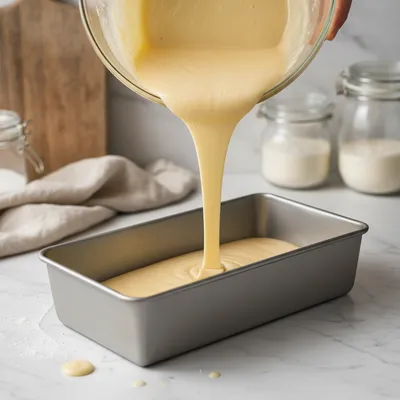
Spoon the thick batter into your prepared pan and smooth the top with a spatula. Gently tap the pan on the counter a couple of times to release any large air bubbles.
Bake for 60 to 70 minutes. Start checking at the hour mark. A toothpick inserted into the center should come out clean or with just a few moist crumbs clinging to it.
Let the cake cool in the pan for about 10 minutes. Then, carefully lift it out and place it on a wire rack to cool completely before slicing.
Notes & Tips
-
1
If you want a more golden top, you can brush a tiny bit of melted butter on top before baking.
-
2
For an extra-rich flavor, use European-style butter which has a higher fat content.
-
3
Avoid using a very high temperature, as the outside will brown too quickly while the middle stays raw.
Tools You'll Need
-
9x5 inch loaf pan
-
Electric hand mixer or stand mixer
-
Large mixing bowl
-
Measuring cups and spoons
-
Sifter or fine-mesh strainer
-
Rubber spatula
-
Toothpick or cake tester
Must-Know Tips
-
Don't rush the butter softening; the microwave can melt it, which ruins the aeration.
-
Always use room temperature eggs to avoid breaking the emulsion of the batter.
-
Cool the cake completely before slicing; if it's too hot, the slice might crumble.
Professional Secrets
-
Creaming the butter and sugar for a full 5 minutes creates a much finer, professional crumb.
-
Sifting the flour twice removes lumps and aerates the flour for a lighter feel.
-
Using a low and slow oven temperature (325°F) prevents the 'dome' and keeps the cake level.
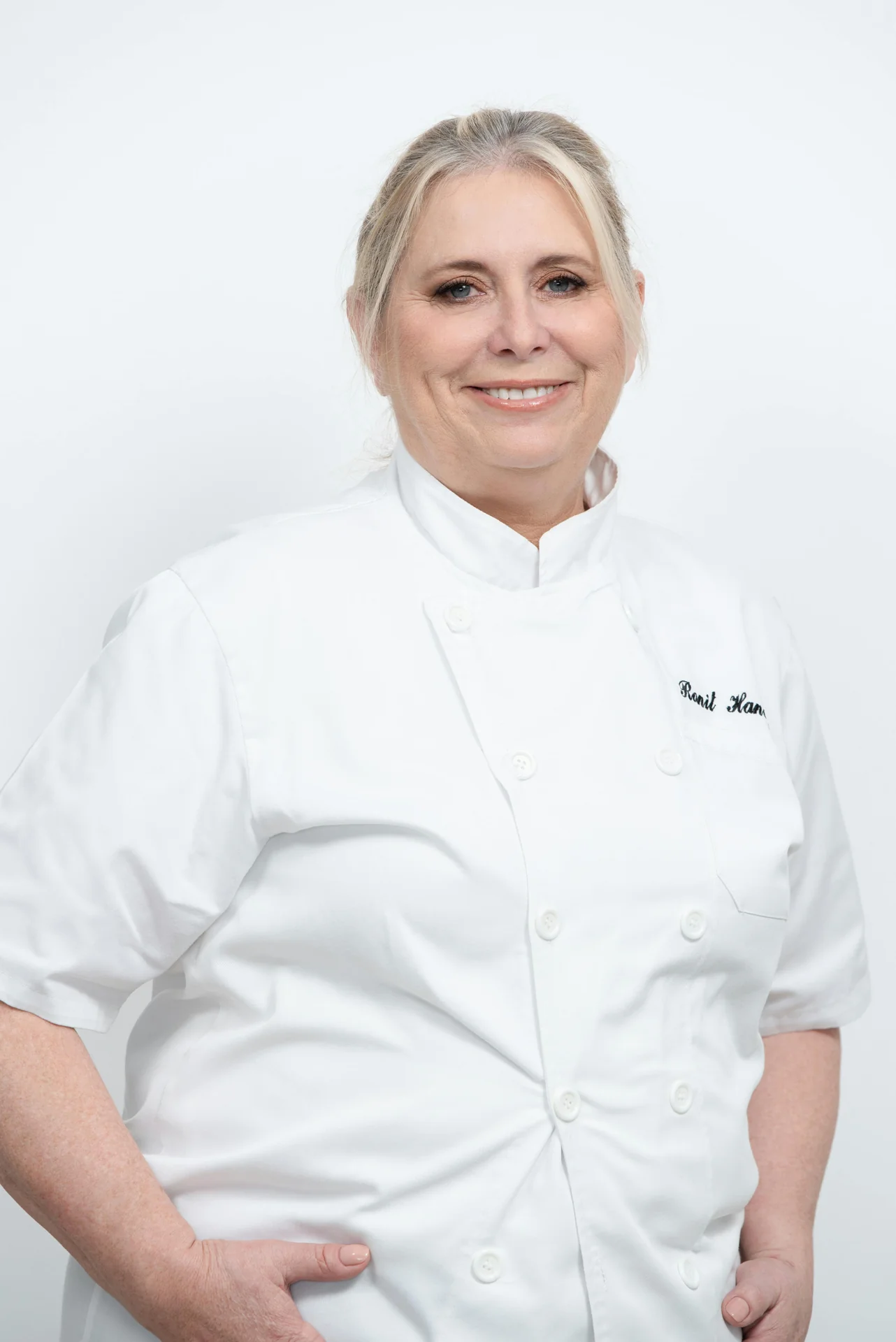
Recipe by
Amelia HartChef Amelia Hart is a dessert enthusiast who loves creating elegant cakes, cookies, and baked treats. Her baking style combines classic pastry techniq ...
Get Delicious Recipes Weekly
Join 25,000+ home cooks getting our best recipes straight to their inbox.
Free forever • No spam • Unsubscribe anytime